





Fed Raises Rates to 3.75%-4% as Inflation Stays Above Target
 193cc Agency CouncilSeptember 17, 20262 Mins read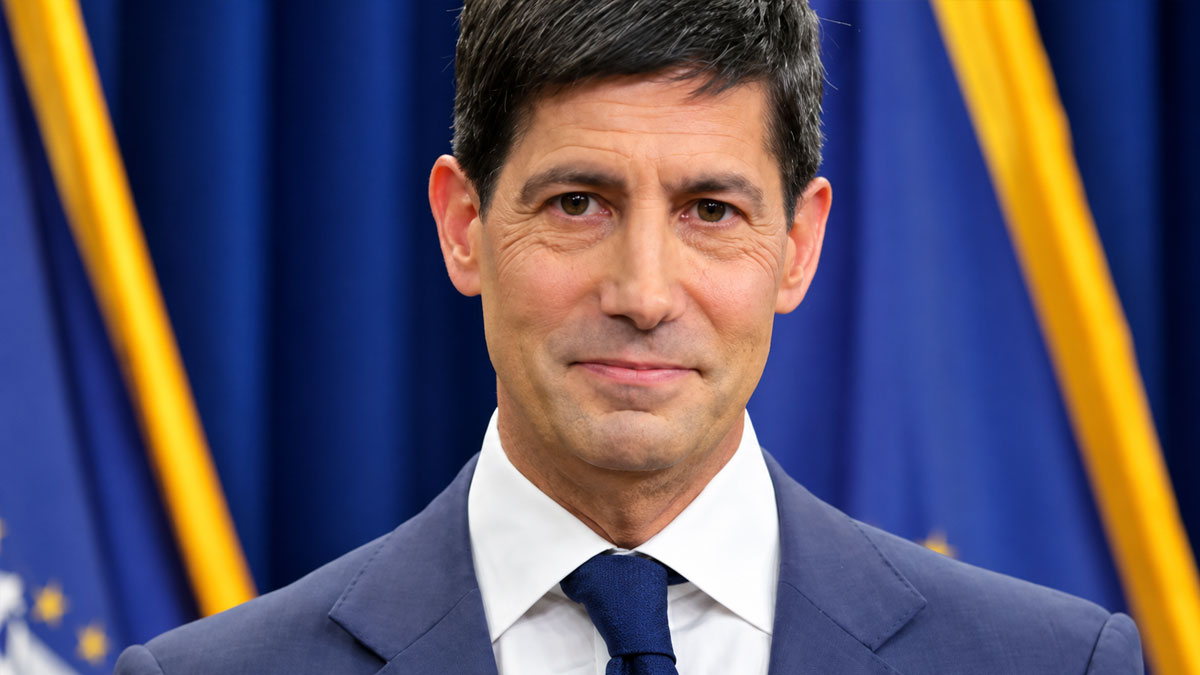
The Federal Reserve raised its benchmark interest rate by a quarter percentage point on Wednesday, September 16, bringing the federal funds target range to 3.75%-4%. It was the central bank’s first rate increase since July 2023, as policymakers responded to persistent inflation and a labor market that showed renewed strength in August. The decision also came despite President Donald Trump’s repeated calls for lower borrowing costs. The FOMC approved the move unanimously, 12-0.
The increase represents a major policy decision for Federal Reserve Chair Kevin Warsh, who has faced pressure from Trump to reduce interest rates. The Fed said inflation remains elevated and that the latest action is intended to support a return to its 2% inflation goal. Higher energy costs have added to price pressures, with the August consumer price index rising 3.4% from a year earlier and the core CPI increasing 2.4%.
The decision follows a divided July meeting, when the Federal Open Market Committee voted 9-3 to leave the federal funds rate unchanged at 3.5%-3.75%. Governors Beth M. Hammack, Neel Kashkari and Lorie K. Logan dissented at that meeting, preferring a quarter-point increase.
Recent employment data also gave policymakers more room to focus on inflation. Employers added 162,000 jobs in August, while the unemployment rate remained at 4.1%. The figures marked an improvement in monthly payroll growth compared with July and showed that the labor market had not weakened enough to force an immediate shift toward lower borrowing costs.
The Federal Reserve has spent the past several years attempting to bring inflation back toward its 2% objective without causing a sharp deterioration in employment. It raised rates aggressively in 2022 after inflation reached its highest levels in decades, eventually lifting the benchmark range to 5.25%-5.5% in July 2023. The central bank subsequently held rates before beginning to cut them as inflation eased, bringing the benchmark range down to 3.5%-3.75% before Wednesday’s increase.
Trump has repeatedly argued for substantially lower interest rates, calling for borrowing costs of 1% or below. He has also warned that countries running trade surpluses with the United States could face restrictions if the Federal Reserve does not reduce rates. Warsh’s decision to raise rates therefore places the new Fed chair in a policy dispute that previously involved Trump and former Chair Jerome Powell, whom Trump had criticized over the pace of rate cuts.
Ahead of the September meeting, financial markets had increasingly priced in the possibility of a rate increase as inflation remained elevated. At the July meeting, three FOMC members had already favored a hike, while the August inflation figures and employment data reinforced the case for tighter monetary policy. The Fed’s latest statement said economic activity was expanding at a solid pace, while domestic spending remained resilient and productivity growth and capital investment were strong.
A separate Kalshi prediction market also reflected a 44% chance before Wednesday’s meeting that Trump would publicly insult Warsh before the end of the year, according to the source article. Trading activity in that market was relatively limited, with about $120,000 in volume.


Related Articles
Musk, Zuckerberg And Huang Urged Trump To Reject AI Regulator
Meta CEO Mark Zuckerberg, Elon Musk and Nvidia CEO Jensen Huang reportedly...
Trump Demands 1% Rates After Fed Delivers First Hike in 3 Years
President Donald Trump renewed his demand for sharply lower interest rates on...

Trump Announces $500 Obamacare Rebates, But Eligibility Is Unclear
President Donald Trump announced Thursday that his administration plans to issue $500...

Trump Presses Apple To Rename Lake Ontario ‘Lake America’
President Donald Trump has directly urged Apple to rename Lake Ontario as...
Leave a comment