




Iran Calls Deadly Kuwait Drone Strike On Italians A Possible Setup
 193cc Agency CouncilNovember 27, 20262 Mins read
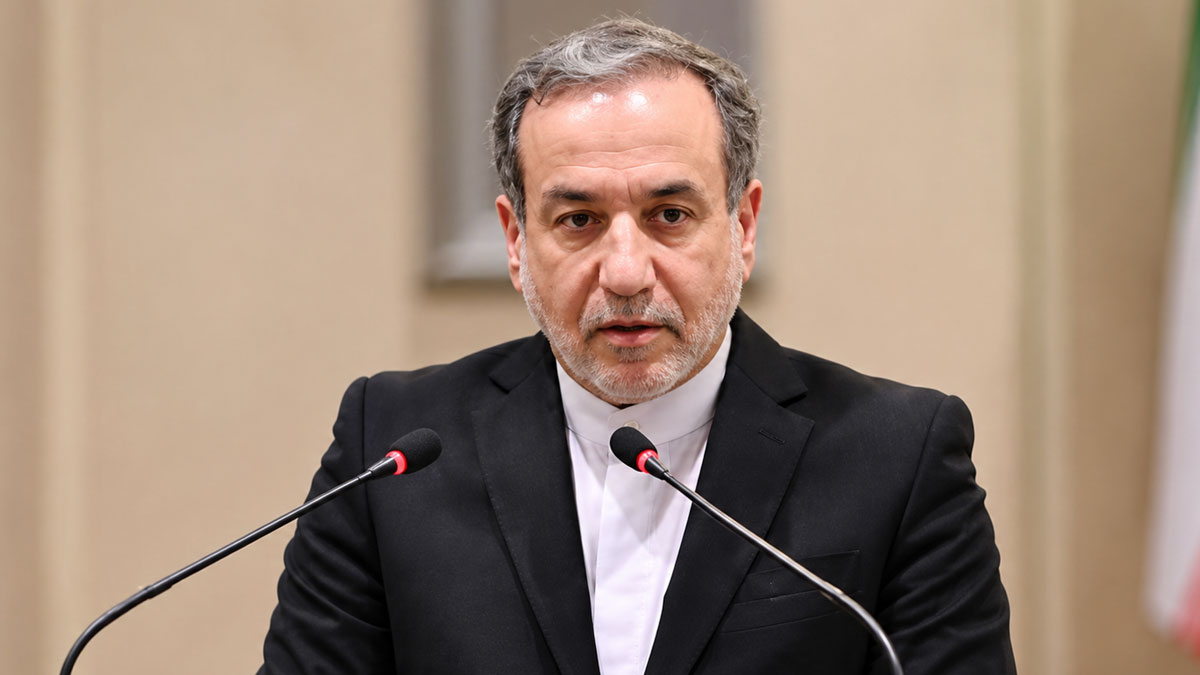
Iranian Foreign Minister Seyed Abbas Araghchi has questioned Tehran’s alleged involvement in a drone attack in Kuwait that killed two Italian nationals, describing the incident as suspicious and suggesting it could be an attempt to provoke a wider conflict. His remarks come as Kuwait and other officials have attributed responsibility for the deadly strike to Iran.
Araghchi said Iran was prepared to cooperate with Italy and Kuwait to investigate the incident, despite Kuwait’s accusation that Tehran was behind the attack. He also confirmed that he had contacted officials from both countries to express his condolences over the deaths.
The two Italian nationals were reportedly carrying out anti-drone maintenance work in Kuwait when the attack occurred. The country has faced repeated Iranian attacks since U.S. and Israeli military strikes against Iran began in February.
Questioning the circumstances surrounding the incident, Araghchi described the strike as suspicious and said it resembled a deliberately prepared justification for war. “The incident is suspicious and looks like a precooked recipe for war,” he said, raising concerns that Iran could be falsely blamed for the attack.
European Commission President Ursula von der Leyen, however, directly criticized Iran over the incident. She called for stronger international pressure on Tehran, stating, “We must step up pressure on Iran to put an end to these unacceptable attacks against its neighbours and our partners in the Gulf.”
Italy’s Foreign Minister Antonio Tajani confirmed that the attack also claimed the lives of a Kuwaiti army captain and a Pakistani civilian, in addition to the two Italian nationals.
Italian Prime Minister Giorgia Meloni acknowledged the deaths on Thursday but did not directly identify Iran as responsible. In a statement, she said she had learned about the deaths of two Italian citizens during the European Council proceedings. Meloni expressed profound sorrow on behalf of herself and the Italian government, extending condolences to the victims’ families and everyone affected by the attack.
Kuwait and Bahrain have faced Iranian attacks since the conflict began in February. Both countries host U.S. military personnel and military infrastructure, making them targets amid the broader confrontation involving Iran, the United States and Israel.
Although the intensity of major American military strikes against Iran has declined in recent months, the wider conflict has continued for more than nine months. Diplomatic negotiations have reached a standstill, while reports indicate that the Trump administration is considering operations targeting Iranian leadership.
U.S. President Donald Trump told Fox News on Sunday that he was considering launching additional strikes against Iran after the new year if diplomatic negotiations fail. He accused Tehran of deliberately delaying the negotiations rather than making meaningful progress toward an agreement.
Meanwhile, the U.S. Navy continues to enforce a blockade in the Strait of Hormuz, one of the world’s most strategically important maritime trade routes. The waterway handles approximately one-quarter of global seaborne oil trade, making continued tensions in the region a significant concern for international energy and shipping markets.






Related Articles
Trump Urges Putin To End Military Aggression Across Europe
U.S. President Donald Trump said Thursday that he had urged Russian President...
Trump Proposes New Tariffs on China, Japan and EU Trading Partners
President Donald Trump has announced plans to introduce additional tariffs on imports...
CIA And Intelligence Director’s Office Hit By Cybersecurity Breach
The Central Intelligence Agency (CIA) and the Office of the Director of...

Blanche Avoids Questions on DOJ Probe Into Nvidia CEO Huang
U.S. Attorney General Todd Blanche declined to provide clear answers about whether...
Leave a comment