




Holiday Cybersecurity Risks Rise As AI Fuels Scams And Identity Theft
 193cc Agency CouncilNovember 28, 20264 Mins read
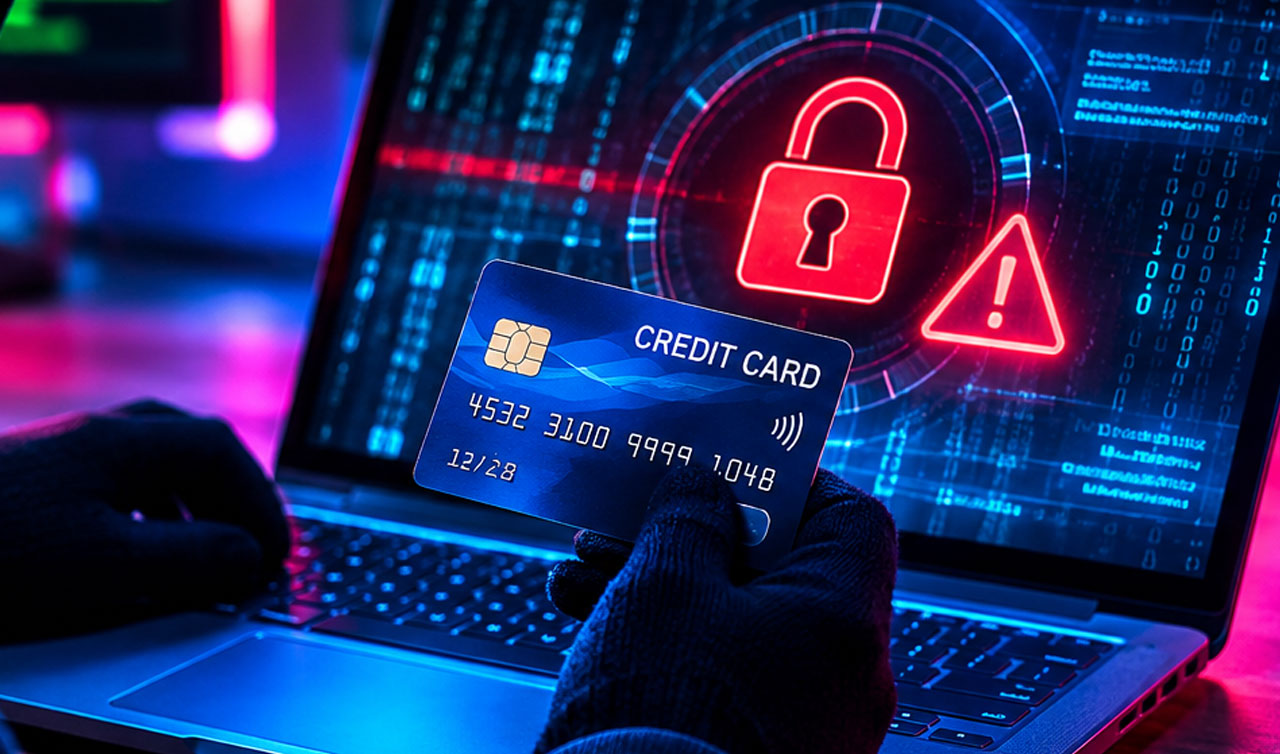
Cybersecurity threats are intensifying during the holiday shopping season as cybercriminals take advantage of increased online spending, distracted consumers and reduced business monitoring. Black Friday, Cyber Monday and the weeks surrounding these events create opportunities for hackers to exploit weak passwords, phishing attacks, fraudulent promotions and compromised accounts. The growing use of artificial intelligence is making these attacks more sophisticated, increasing the risks of identity theft and financial fraud for individuals and organizations.
The expansion of digital services, including smartphones, wearable devices, e-commerce platforms and the Internet of Things (IoT), has created more potential entry points for cyberattacks. Personal information exposed through previous data breaches can be exploited by criminals using stolen credentials, social engineering and other deceptive techniques. Although anyone can become a victim, elderly individuals and people with limited technical knowledge are particularly vulnerable.
Traditional holiday scams remain widespread. Fraudsters frequently distribute phishing emails pretending to come from retailers or delivery companies, promote fake discounts, steal gift card balances and operate non-delivery scams. Account takeovers and credential-stuffing attacks also remain significant concerns. Businesses face additional exposure during holiday periods when reduced staffing and monitoring can make it more difficult to identify and respond to ransomware incidents, supply-chain compromises and unauthorized account access.
Artificial intelligence is adding another dimension to these existing threats. Generative AI allows cybercriminals to produce large volumes of convincing, personalized phishing messages with accurate grammar and professional presentation. Attackers can also use deepfake technology and voice cloning to impersonate company executives, colleagues, familiar individuals and trusted brands. These techniques can persuade victims to disclose confidential information, follow malicious links or authorize fraudulent financial transactions.
The increasing quality of AI-generated communications makes it harder for people to identify scams through appearance, voice recognition or professional language alone. Conventional cybersecurity systems were not originally designed to address every form of manipulation involving human trust, making AI-assisted social engineering an increasingly difficult challenge.
AI tools can also help criminals study potential victims, analyze publicly available information and automate attacks on a much larger scale. Instead of manually targeting individuals, attackers can conduct thousands of attempts simultaneously while using personal and organizational information to make their messages more convincing. Social media activity and publicly accessible data provide additional opportunities to profile individuals and identify potential targets. This lowers the technical barriers for cybercriminals and increases their chances of finding vulnerable victims.
Identity theft has consequently become a major concern in the connected digital economy. Previously associated primarily with financial crimes, it has developed into a broader cybersecurity challenge involving stolen personal information, data breaches, phishing campaigns, social engineering and artificial intelligence. Criminals can use compromised identities to access private accounts, impersonate individuals, commit financial fraud and manipulate trusted relationships.
Protecting digital identities requires multiple layers of security involving technology, awareness and continuous monitoring. Strong authentication methods, behavioral analytics, cybersecurity education and proactive threat detection are important elements of an effective defense. As digital transformation continues, identity protection has become an essential consideration for individuals, businesses and government organizations. Maintaining confidence in digital services increasingly depends on the ability to protect sensitive information against evolving cyber threats.
Consumers can reduce their exposure by creating strong, unique passwords and using a trusted password manager. Passwords should be updated following a confirmed breach, and easily identifiable information taken from social media should be avoided. Multi-factor authentication (MFA) is another important safeguard, with app-based or hardware-based authentication generally preferred over SMS-based verification. Biometric authentication can provide an additional layer of protection where supported.
AI-powered fraud detection tools can also help identify suspicious activity and provide another layer of defense against AI-assisted criminal activity. Consumers should regularly review their banking, credit and social media accounts to identify unauthorized transactions or unusual activity. Credit freezes may also be considered when necessary to help protect against identity-related financial fraud.
Unsolicited messages requesting urgent action should be treated cautiously. Rather than clicking unfamiliar links, users should independently verify the sender and the legitimacy of the request. Online purchases should be made through trusted websites using HTTPS connections. Consumers should also consider using a virtual private network (VPN) or avoiding public Wi-Fi when handling sensitive financial transactions.
Keeping devices updated, encrypting confidential information and using a dedicated device for financial activities when possible can further strengthen personal security. A shift away from trusting communications simply because they look or sound genuine is equally important. Instead, individuals should independently verify requests before sharing information or approving important transactions.
Cybersecurity awareness should also extend to family members, particularly older individuals who may be less familiar with emerging digital scams. Urgent requests for money, personal details or account access should always be independently checked before any action is taken.
Organizations must adopt similarly comprehensive security practices to protect their systems and employees. Strong cyber hygiene includes mandatory multi-factor authentication, least-privilege identity and access management, timely software patching, reliable data backups and continuous security monitoring. Phishing-resistant authentication methods and training that demonstrates AI-generated social engineering attacks can further improve organizational readiness.
Although no security strategy can eliminate every possible threat, organizations and individuals can significantly reduce their exposure through consistent identity management and attack surface reduction. Businesses should strengthen control over privileged access and introduce independent, out-of-band verification procedures for critical actions and financial transactions.
The holiday shopping season creates additional opportunities for cybercriminals, but the underlying risks extend beyond seasonal promotions. Combining established cybersecurity practices with modern identity protection measures can help consumers and organizations defend against increasingly sophisticated fraud. Independent verification, stronger authentication and continuous vigilance remain essential as artificial intelligence continues to change the nature of digital threats.






Related Articles
Some iPhone Websites Could Stop Working After Apple’s Nov. 30 Deadline
Some websites may become inaccessible to iPhone users from November 30 as...

Todoist Data Breach Exposes Emails And Password Hashes Of 6% Of Users
Task management platform Todoist has disclosed a security breach in which an...
1Password Confirms Data Breach: What Happened and How Users Are Affected
Password management company 1Password has confirmed a security breach in which an...


Chase Bank Warns Customer Data May Be Exposed in Cyberattack
JPMorgan Chase has disclosed a cybersecurity incident involving third-party service providers that...
Leave a comment