




2027 Volvo XC60 And XC90 PHEVs Offer Up To 124 Miles Of Range
 193cc Agency CouncilNovember 28, 20266 Mins read
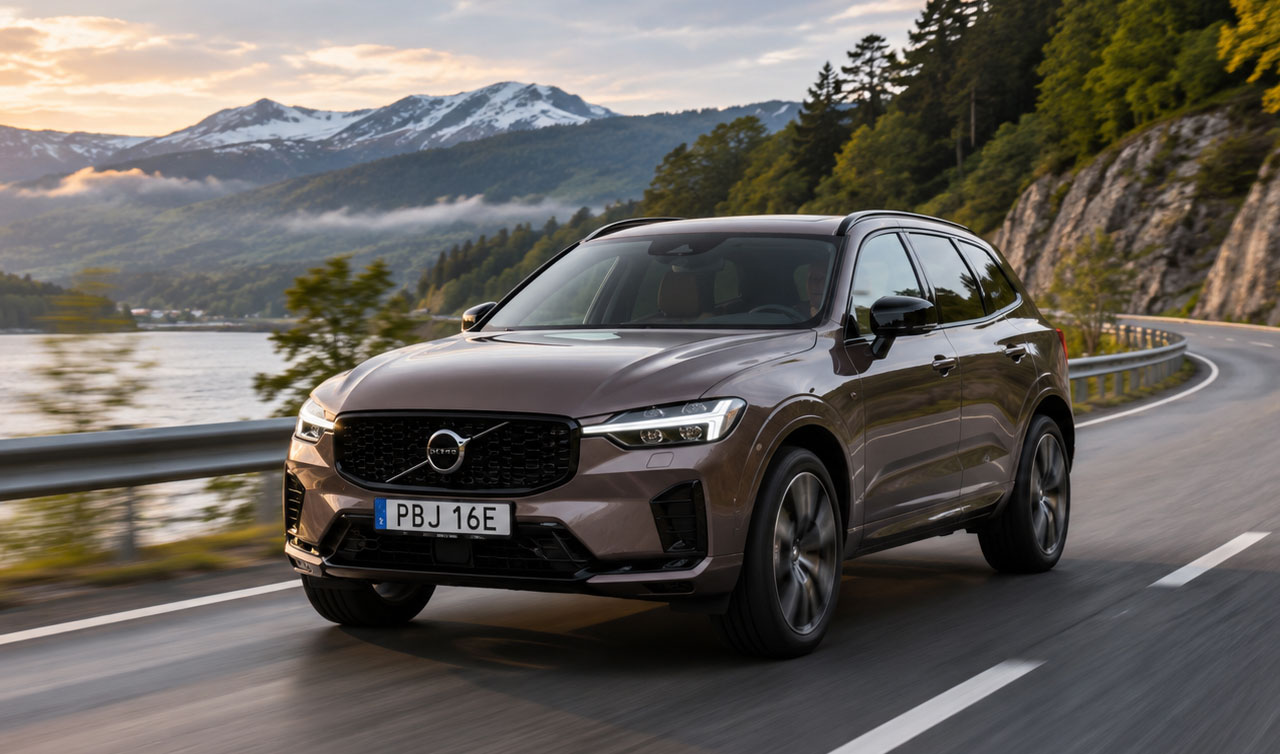
Volvo is strengthening its plug-in hybrid lineup with major battery upgrades for the 2027 XC60 and XC90, bringing their electric driving capabilities closer to those of the long-range hybrids emerging from China. The updated XC60 T6 is expected to deliver up to 124 miles of electric range under Europe’s WLTP testing cycle, while the larger XC90 T8 offers approximately 100 miles. Both models combine electric motors with petrol engines, providing electric driving for everyday journeys while retaining conventional fuel for longer trips.
The developments reflect a wider shift in the plug-in hybrid market. At Auto China in Beijing in 2024, the growing presence of battery-electric vehicles was accompanied by increasing interest in plug-in hybrids with substantially larger batteries. Unlike earlier PHEVs, which often offered only enough electric range for short commutes, these newer vehicles can handle several days of typical driving without relying on their combustion engines. Chinese manufacturers have helped popularize this approach, often described as the “Super Hybrid” concept.
Volvo is now applying a similar strategy to two of its established SUVs. The previous XC60 plug-in hybrid offered up to 49 miles of WLTP electric range, while the earlier XC90 was rated at approximately 44 miles. The latest versions represent a significant improvement, although their charging capabilities differ from some Chinese competitors. Both rely on AC charging rather than DC rapid charging, meaning owners will generally need to charge at home or work instead of making quick battery stops during long journeys.
Volvo’s connection to the technology stretches back well before the current Super Hybrid trend. The company introduced its V60 plug-in hybrid in 2012, combining an electric motor with a diesel engine. By 2019, Volvo had committed to offering a plug-in hybrid option across its model range. The development of its powertrain business later became linked to a wider industry partnership involving Chinese and European manufacturers.
In 2021, Volvo and Geely established Aurobay to bring together combustion-engine operations and powertrain development. Volvo subsequently sold its stake to Geely. In 2024, Aurobay’s operations and Renault’s powertrain business were brought together under Horse Powertrain. The company now identifies Volvo Cars and Geely Auto among its customers, while its technology also appears in vehicles from Geely-linked brands such as Lynk & Co and Zeekr. Although the latest Volvo hybrids do not use exactly the same systems as those brands, their electric motors also originate from Horse Powertrain, building on technology development initiated by Volvo.
The appeal of these larger-battery hybrids is straightforward. Drivers can use electricity for commuting, school runs and local travel while keeping a petrol engine available for longer journeys or destinations with limited charging infrastructure. However, the larger batteries also increase vehicle weight, cost and charging time. Owners must regularly connect their vehicles to a power supply to achieve the promised electric-driving benefits, raising the question of whether a fully electric vehicle would be a better choice for some buyers.
The XC60 appears to offer the strongest balance between size, range and performance in Volvo’s updated lineup. It remains the company’s best-selling model of all time, with more than 2.8 million units sold. The European XC60 T6 AWD uses a 41.2kWh gross battery, with 35.6kWh available for use. Volvo’s preliminary figures indicate an electric range of approximately 200km, or 124 miles, depending on configuration.
The T6 produces a combined 356hp, while the more powerful T8 delivers 461hp with a slightly lower claimed electric range. Both versions combine a combustion engine and electric motor with all-wheel drive. Buyers who prefer not to plug in can choose the B5 mild-hybrid version. For households with home charging, the T6’s larger battery could cover several days of regular driving without requiring petrol, although actual range will depend on driving conditions and configuration.
During a test drive, the XC60 T8 completed a 107.5km route without its petrol engine starting. The vehicle began in Pure mode, allowing it to operate on battery power until the charge was depleted. Around 40km of indicated range remained at the destination, broadly consistent with the expected performance of its claimed 187km WLTP electric range. Its 461hp output provides a 0-62mph acceleration time of 4.8 seconds, while the electric motor delivers responsive acceleration. The SUV also impressed with its refined ride and reassuring handling. Its steering was responsive, although not as precise as a BMW’s.
The test vehicle had covered 1,479km since leaving the factory and recorded average fuel consumption of five litres per 100km, equivalent to 56.5 UK mpg or 47 US mpg. Charging remains a limitation, however. A full battery recharge takes approximately four hours using a suitable AC supply, with no DC rapid-charging option for quick top-ups.
UK pricing also places the XC60 plug-in hybrids at a premium. The T6 Core starts at £58,965 ($77,300) on the road, compared with £51,060 ($66,900) for the B5 Core. The T8 is available only from Ultra trim upwards, with its entry-level price starting at £69,965 ($91,700). The fully electric Volvo EX60 is priced at around the same level, creating another consideration for buyers deciding between plug-in and battery-electric power.
The larger XC90 brings the same hybrid concept to a seven-seat family SUV. Its T8 AWD uses a 41.2kWh gross battery, with 32.9kWh usable capacity, and delivers a combined 461hp. Volvo quotes an electric range of up to approximately 100 miles in UK specifications, depending on trim. The previous plug-in hybrid offered around 39 miles, or 62km, making the latest version a substantial upgrade.
The additional electric range could be particularly useful for families who regularly use the XC90 for school journeys and local travel. Its petrol engine remains available for holidays, longer journeys and towing. Volvo lists a towing capacity of 2,400kg, or 5,000lbs, which could make the plug-in hybrid attractive to owners of caravans and boats. Towing remains a challenge for battery-electric vehicles, potentially giving the XC90 a practical advantage for some families.
The XC90 T8’s greater size and weight were noticeable during testing, particularly through corners, but its ride remained comfortable. In Power mode, the 2,465kg (5,434lb) SUV can accelerate from 0-62mph in 5.2 seconds. During a 180km (112-mile) test journey, the vehicle recorded fuel consumption of 2.8 litres per 100km, equivalent to 100.9 UK mpg or 84 US mpg. Much of the journey was completed using electric power, so the figure reflects the contribution of battery driving rather than petrol efficiency alone.
The XC90’s plug-in technology comes with a higher purchase price. The T8 Core starts at £75,765 ($99,300), while the B5 Core mild hybrid begins at £66,270 ($86,900). For buyers who need a large family vehicle capable of covering everyday journeys electrically while retaining long-distance flexibility, the additional cost may be worthwhile. Fully electric alternatives include the Kia EV9 and Hyundai IONIQ 9, although both may require more frequent stops when towing.
Volvo has taken a different approach with the smaller XC40, which does not receive a plug-in hybrid version. Buyers can choose petrol mild-hybrid B3, B4 and B5 variants, depending on the market, or move to the fully electric EX40. Unlike the XC60 and XC90 plug-in hybrids, the XC40 mild hybrid cannot be connected to an external power supply for extended electric-only driving. Its system instead recovers energy and uses it to support the petrol engine.
The XC40 B5 was tested for a shorter period than the other two SUVs. While it proved capable for its class, its driving experience was less smooth than the plug-in hybrids. Fuel consumption during heavy stop-start city driving reached 7.7 litres per 100km, equivalent to 36.7 UK mpg or 30.5 US mpg. The entry-level XC40 B3 Core starts at £37,710 ($49,400) on the road in the UK.
All three updated SUVs receive Google’s Gemini conversational assistant, giving the XC40 access to the same digital technology as its larger siblings. The system can assist with journey planning, finding places to stop and managing messages. During testing, it also provided useful information when asked about the vehicle’s location in an unfamiliar town. The XC40 features an 11.2-inch central display and updated safety hardware, making it the least expensive entry point into the three-model range.
Volvo’s latest lineup demonstrates that the company is continuing to support multiple forms of electrification rather than relying exclusively on battery-electric vehicles. The XC60 and XC90 offer considerably more electric range than their predecessors, while retaining petrol engines for journeys beyond the battery’s capacity. However, the growing availability of long-range electric SUVs is creating a stronger challenge for plug-in hybrids. Volvo’s EX60, including a planned P12 version targeting 500 miles of range, is among the alternatives that could influence future buying decisions.
The updated XC60 and XC90 show how larger batteries have made plug-in hybrids more practical for everyday electric driving. Their combination of electric range and petrol-powered flexibility may appeal to households that are not ready to switch completely to an EV. At the same time, the cost, charging limitations and increasingly capable all-electric alternatives leave buyers with a central question: whether a plug-in hybrid still offers the right balance when electric vehicles can travel farther than ever.




Related Articles
2027 GMC Yukon AT4 Review: Power, Space And Premium Comfort
The 2027 GMC Yukon AT4 combines a commanding exterior, powerful engine options...
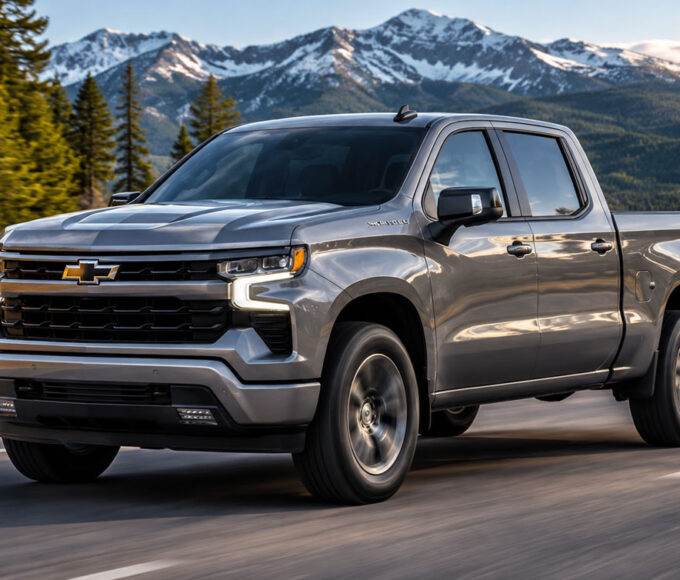
Pickup Truck Buyers Can Save Up to $10,100 This Thanksgiving
Thanksgiving weekend is shaping up to be an attractive buying opportunity for...
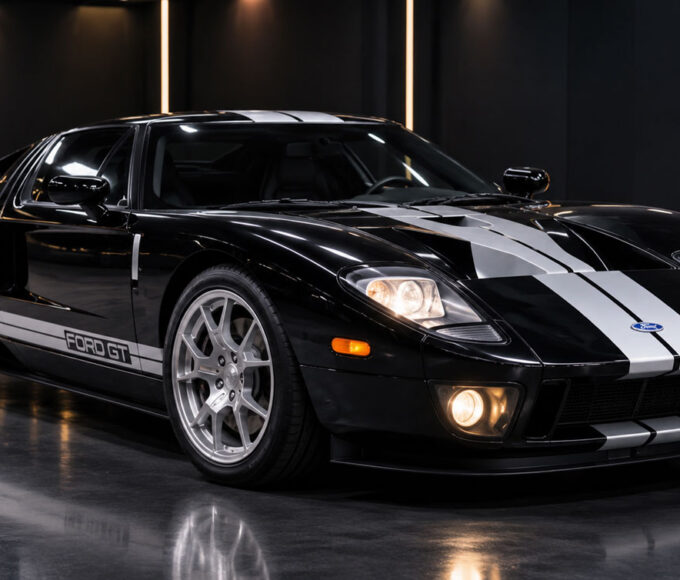
1,000bhp Gran Turismo Movie Ford GT Heads to Auction
A heavily modified 2005 Ford GT featured in the 2023 film Gran...
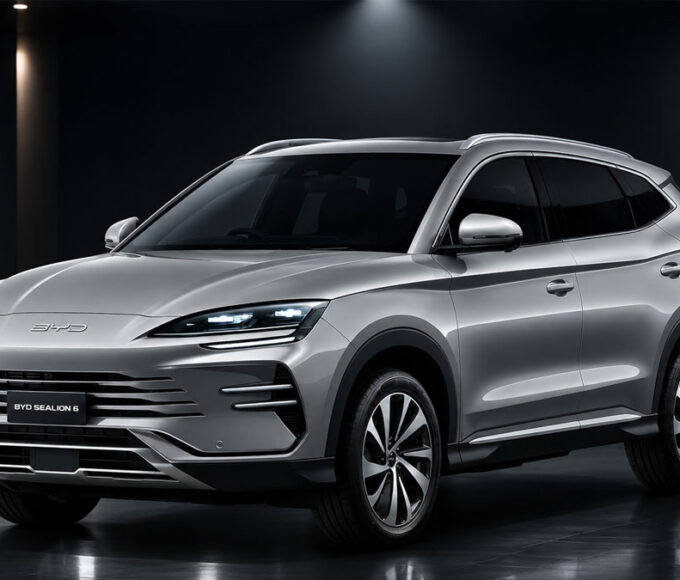

Congress Eyes Permanent Ban On Chinese Cars: Who Could Be Affected?
A bipartisan push in the United States Congress to permanently restrict Chinese...
Leave a comment