


Some iPhone Websites Could Stop Working After Apple’s Nov. 30 Deadline
 193cc Agency CouncilNovember 28, 20262 Mins read
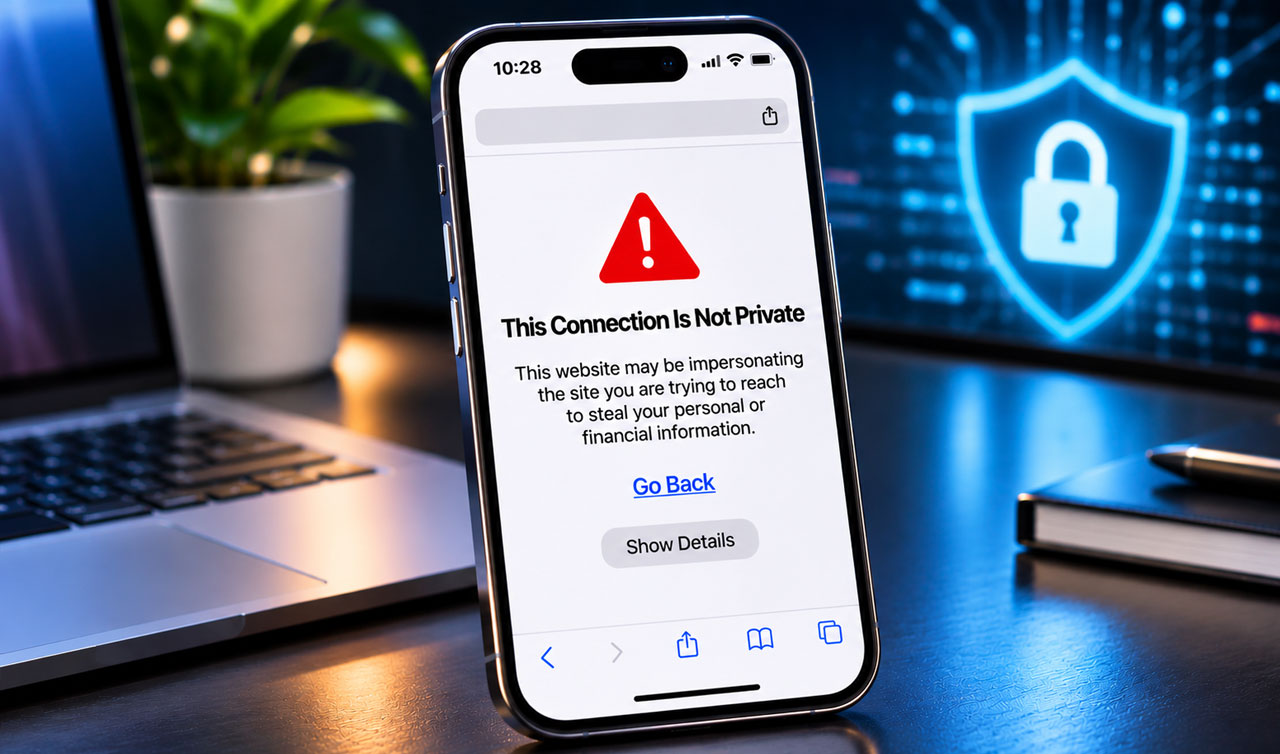
Some websites may become inaccessible to iPhone users from November 30 as Apple prepares to withdraw trust in a certificate authority linked to security concerns. The change could trigger security warnings in Safari when users visit affected websites, even if those sites have not been hacked. The disruption is connected to Apple’s decision to stop trusting eMudhra’s emSign G1 root certificate, potentially affecting websites and services that still depend on certificates issued under its system.
The issue first emerged in October, when a security researcher identified dangerously weak private keys associated with eight intermediate certificate authorities operated by eMudhra. Such weaknesses can create opportunities for attackers to forge digital certificates and impersonate legitimate websites. Digital certificates are essential to establishing secure connections and confirming that users are communicating with genuine websites. If a browser or operating system no longer trusts a certificate, that connection can no longer be considered secure.
November 30 is the deadline identified by eMudhra for Apple’s removal of trust in its emSign G1 root certificate. The company has since exited the web certificate business. However, the immediate concern for Apple users is not necessarily an active cyberattack, but the possibility that legitimate websites will stop working because their certificates are no longer recognised.
Universities in the United States could face particularly significant disruption. Many institutions rely on InCommon, a shared certificate service that moved to an eMudhra-backed platform earlier this year. Research published by CertKit on November 16 identified 8,304 certificates across 59 major universities for which replacement certificates had not been identified.
The University of Washington has warned that websites continuing to use affected certificates after November 30 will become inaccessible to Apple users. Cornell University and Stanford University have also issued urgent notices about the deadline. If the affected certificates have not been replaced, students and staff at these institutions could experience widespread website access problems.
The potential impact extends beyond educational institutions. NHS England’s cybersecurity team has advised organisations to examine their websites, applications and connected devices for reliance on affected eMudhra certificates. Security companies Zscaler and Druva have also circulated warnings to customers. Certain Oracle Java and Amazon Linux software environments have already removed trust in the G1 certificate hierarchy.
Google and Microsoft have taken separate steps to address the issue. Chrome’s November 16 cutoff applies to newly issued G1 certificates, while previously issued certificates are not affected by that particular cutoff. Microsoft also began removing eMudhra root certificates from Windows and Edge on the same date. Apple’s November 30 policy is broader. According to eMudhra, “it means all certificates issued under the G1 hierarchy at any point in time will cease to be trusted on their platforms.”
For iPhone users, the most important precaution is to take Safari certificate warnings seriously. Users should not bypass security alerts or enter passwords, payment information or other sensitive details on a website displaying an affected certificate warning. Changing iPhone settings will not resolve the underlying problem. Website owners and operators must obtain and install replacement certificates before their services can be trusted again.
There is some indication that preparations may be largely complete. In its November 5 update, eMudhra said it “anticipated” that its remaining customers would meet Apple’s deadline. However, the actual scale of any disruption will become clearer once the November 30 cutoff takes effect.
The situation demonstrates how changes to digital certificate trust can affect access to otherwise legitimate online services. For iPhone users, websites that worked normally before the deadline could suddenly display security warnings if their operators have not completed the necessary certificate replacements.





Related Articles
Todoist Data Breach Exposes Emails And Password Hashes Of 6% Of Users
Task management platform Todoist has disclosed a security breach in which an...
Holiday Cybersecurity Risks Rise As AI Fuels Scams And Identity Theft
Cybersecurity threats are intensifying during the holiday shopping season as cybercriminals take...
1Password Confirms Data Breach: What Happened and How Users Are Affected
Password management company 1Password has confirmed a security breach in which an...

Chase Bank Warns Customer Data May Be Exposed in Cyberattack
JPMorgan Chase has disclosed a cybersecurity incident involving third-party service providers that...
Leave a comment