




U.S.-Iran Talks Advance Despite Tensions Over Trump Threats
 193cc Agency CouncilJune 22, 20262 Mins read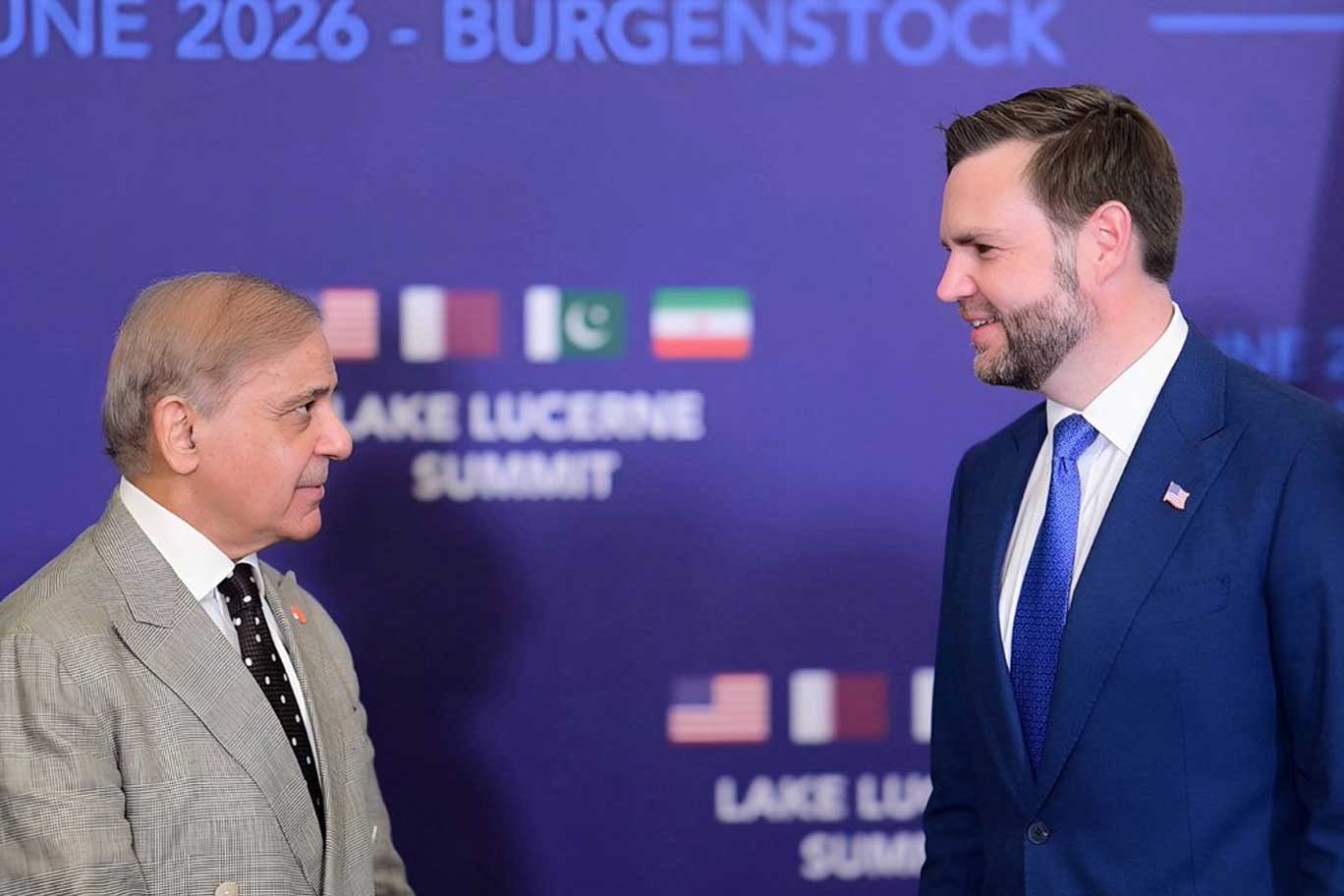
Senior U.S. and Iranian officials concluded negotiations in Switzerland early Monday with mediators reporting significant progress toward a broader agreement, despite a temporary disruption caused by renewed threats from President Donald Trump during the discussions.
In a joint statement, Pakistani officials, who are helping mediate the talks alongside Qatar, described the summit as taking place in a positive and constructive environment. The mediators said both sides achieved encouraging progress and agreed to establish a framework for future technical negotiations.
According to the statement, the parties also created a High Level Committee involving all participants and approved a roadmap aimed at securing a final agreement within 60 days. As part of the discussions, Washington and Tehran agreed to establish a direct communication channel intended to prevent incidents and misunderstandings involving commercial shipping in the Strait of Hormuz.
The negotiators also agreed to form a de-confliction cell focused on the ongoing conflict in Lebanon involving Israel and Hezbollah. Iranian officials have previously argued that the fighting violates the interim peace arrangement. Lower-level technical discussions are expected to continue throughout the week, although officials have not disclosed the specific topics that will be addressed.
Iranian Foreign Minister Abbas Araghchi welcomed the outcome of the negotiations in a post on X, crediting Pakistani and Qatari mediation efforts for helping achieve major progress toward ending the Lebanon conflict. Araghchi said the agreement includes waivers on oil and petrochemical exports, the lifting of blockades, the release of some frozen Iranian assets and the launch of a major reconstruction and development initiative for Iran. However, he cautioned that the newly established Lebanon de-confliction mechanism would serve as the first real test of the agreement.
U.S. officials directly involved in the negotiations, including Vice President JD Vance, had not publicly commented on the conclusion of the talks as of Monday.
The negotiations faced complications after Trump issued a series of warnings on Sunday as discussions got underway. In a Truth Social post, the president demanded that Iran immediately halt actions by its allied groups in Lebanon and threatened stronger military action if the situation continued. Trump later told Fox News correspondent Trey Yingst that he was prepared to take control of the Strait of Hormuz and impose tolls on passing vessels if Iran failed to reach an agreement. According to Yingst, Trump also warned Iranian negotiators that closing the strategic waterway would have severe consequences.
CNN, citing an unnamed source, reported that the president’s remarks disrupted the negotiations and prompted Iranian representatives to consider leaving the talks. Shortly afterward, Iranian Parliament Speaker and chief negotiator Mohammad Ghalibaf responded on social media, dismissing the effectiveness of U.S. threats and arguing that they had not altered Iran’s position. He also warned that Iran’s armed forces were prepared to respond if American leaders were not careful in their public statements.






Related Articles

Nor’easter Forces Cancellations of Major East Coast Events
A powerful nor’easter approaching the U.S. East Coast has led to the...
Pope Leo Welcomes Press Amid Trump White House Media Ban
Pope Leo XIV said Friday that journalists covering his trip to France...

Lewis Hamilton Backs Macklemore Amid Ed Sheeran Tour Dispute
Formula 1 driver Lewis Hamilton has publicly expressed support for Macklemore after...


Elon Musk Attacks ‘Musk’ Director Alex Gibney Over Documentary
Elon Musk has launched a series of attacks against Oscar-winning filmmaker Alex...
Leave a comment