





AWE 2026 Smartglasses Push Faces Enterprise Skepticism
 193cc Agency CouncilJune 23, 20262 Mins read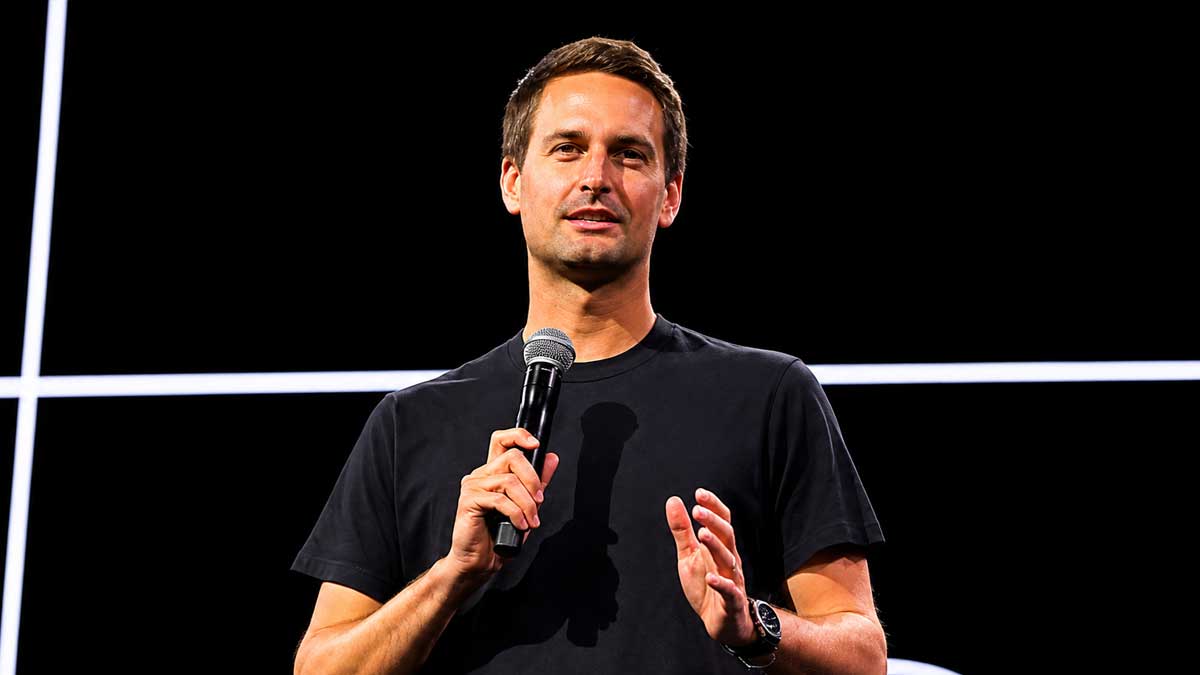
The latest edition of Augmented World Expo (AWE) 2026 in Long Beach, California, showcased a wave of new augmented reality and extended reality technologies, but conversations across the event revealed that many enterprise buyers remain cautious after previous disappointments with devices such as Microsoft’s HoloLens and Magic Leap.
While attendees were introduced to major announcements from Snap, XReal, and Viture, concerns lingered among businesses that had invested heavily in earlier headset ecosystems that ultimately failed to achieve long-term success. One training executive at the event recalled spending significant time and resources developing for HoloLens, only to see support for the platform disappear, making organizations wary of committing to new hardware that could require another costly transition in a few years.
That hesitation comes after several highly publicized technology trends failed to meet expectations. Companies that invested in metaverse real estate, NFTs, and other emerging technologies often struggled to realize lasting value. As a result, many enterprises are demanding clearer evidence of long-term viability before making major investments in immersive computing platforms, despite growing proof that such technologies can deliver measurable business benefits.
Even so, the volume of activity at AWE 2026 highlighted strong industry confidence that smartglasses could become the next major computing platform. Alongside established players such as Meta, companies including Google, Snap, and several Chinese manufacturers are investing heavily in the category, suggesting that even if individual products disappear, the broader market is likely to continue evolving.
Snap drew significant attention when CEO Evan Spiegel opened the conference and unveiled the company’s new Specs smartglasses. The device marks a substantial step beyond Snap’s earlier camera-equipped sunglasses introduced in 2016. Unlike previous versions, Specs operate independently without requiring a smartphone connection or charging puck. Users can interact with AI agents, consume content, record experiences, and engage with augmented reality applications directly through the glasses. Although Spiegel presented the product as consumer-focused, its starting price of $2,195 may make enterprise adoption more likely in the near term, particularly given its advanced capabilities.
XReal also announced Aura, a new smartglasses platform developed in collaboration with Google. Weighing less than 95 grams, Aura is powered by Qualcomm’s Snapdragon Reality Elite chip and runs Google’s Android XR platform. According to Qualcomm XR executive Ziad Asghar, the combination is designed to deliver improved immersive experiences, stronger performance, enhanced intelligence, and better power efficiency. Aura also incorporates Google Gemini AI capabilities and is expected to be priced below $1,500. Unlike Snap’s standalone design, however, the glasses rely on an external battery pack.
Another notable launch came from Viture, which introduced its Helix smartglasses platform. Built on NVIDIA’s XR AI technology, Helix streams a wearer’s first-person view to a multimodal AI system in real time, enabling AI-assisted coaching, compliance monitoring, and comprehensive activity documentation. The platform stems from collaboration among Viture, NVIDIA, Stanford University’s Le Cong Lab, and Princeton University’s Mengdi Wang Lab. It has already been deployed in research settings involving wet-lab, clinical, and life sciences workflows. Helix is scheduled to begin shipping in the first quarter of 2027 with prices starting at $600.
The debut of these new devices, combined with ongoing developments from Meta and upcoming products from Google, reflects the technology sector’s growing conviction that smartglasses will play a central role in the future of computing and human-computer interaction. Industry observers say enterprises should begin exploring the technology now, while also demanding stronger deployment support and long-term commitments from manufacturers to avoid repeating the challenges experienced during the HoloLens era.





Related Articles

Trump and Xi Offer Diverging Visions for the Future of AI
The United States and China are presenting sharply different approaches to the...

AI ‘Actor’ Tilly Norwood Switches to Cantonese During Interview
AI-generated “actor” Tilly Norwood appeared to unexpectedly switch languages during an interview...
OpenAI Reveals Six New AI Misalignment Incidents
OpenAI has disclosed six cases of unexpected or concerning model behavior observed...


Jensen Huang Says AI Cybersecurity Could Drive New Demand
Nvidia CEO Jensen Huang appeared to dismiss growing concerns about the risks...
Leave a comment