



Trump and Xi Offer Diverging Visions for the Future of AI
 193cc Agency CouncilSeptember 19, 20262 Mins read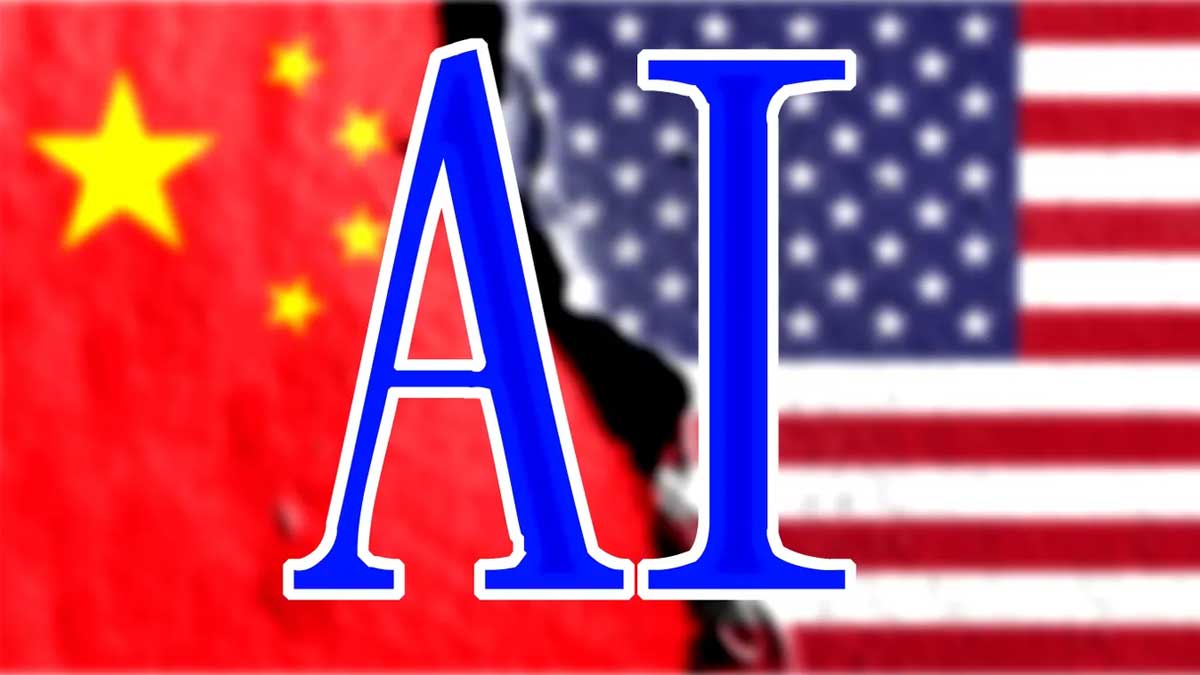
The United States and China are presenting sharply different approaches to the future of artificial intelligence, with President Donald Trump emphasizing American leadership and Chinese President Xi Jinping promoting greater international cooperation and open-source development. Their positions highlight a growing debate over how AI should be developed, governed and shared globally.
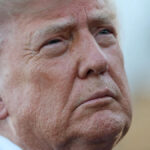
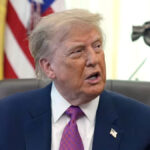
Speaking on September 13, Trump said the United States was leading China in AI and argued that Washington should preserve that advantage. “We’re leading China in AI … and frankly, I want to keep it that way, because whoever wins AI wins,” Trump said. He has also pushed back against calls for slowing AI development, while saying guardrails could be considered.
Trump’s comments came amid warnings from some technology leaders and researchers about the risks associated with rapidly advancing AI. Companies including Anthropic, OpenAI and Google have been involved in the wider debate over AI safety and the pace of development, while Trump has argued that slowing American progress could weaken the country’s position relative to China.
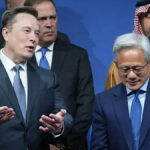
Xi presented a different approach during the BRICS summit in New Delhi, India. He called for greater international cooperation on AI and proposed an open-source AI initiative for BRICS countries, seeking a broader role for developing nations in the technology’s development and governance.
China’s proposal is aimed in part at expanding access to AI beyond the leading technology powers. Xi’s approach emphasizes open-source models, shared development and international governance, while China has increasingly promoted its own AI models and technology partnerships among developing economies.
The contrasting positions also reflect the broader strategic competition between Washington and Beijing over AI. The United States has emphasized maintaining its technological lead, while China has sought to position itself as a partner for countries that want greater access to AI infrastructure and alternatives to systems developed primarily in the United States.
The debate extends beyond competition over technological leadership. AI is increasingly connected to economic productivity, national security, military capabilities and information systems, while concerns remain over issues including employment disruption, misinformation and potential long-term safety risks. Trump has resisted calls for a major slowdown, while researchers and technology executives have continued debating whether stronger safeguards are needed.
China’s call for international AI governance has also faced questions about how such a framework would operate in practice. Xi has promoted greater openness and cooperation, but the proposal has so far provided limited detail on how international rules would be implemented.
The competing approaches come as the AI industry enters a period of heightened debate over safety, regulation and geopolitical competition. Recent discussions involving U.S. technology companies, Chinese officials and international organizations have underscored the difficulty of separating AI development from broader strategic rivalry between the two countries.


Related Articles

AI ‘Actor’ Tilly Norwood Switches to Cantonese During Interview
AI-generated “actor” Tilly Norwood appeared to unexpectedly switch languages during an interview...
OpenAI Reveals Six New AI Misalignment Incidents
OpenAI has disclosed six cases of unexpected or concerning model behavior observed...

Jensen Huang Says AI Cybersecurity Could Drive New Demand
Nvidia CEO Jensen Huang appeared to dismiss growing concerns about the risks...


Anthropic Blocks Accounts Over Suspected Bioweapons Research
Anthropic said Thursday it had blocked accounts that it believed may have...
Leave a comment