





GAO Finds Major AI Chatbots Can Generate Viable Terror Attack Plans
 193cc Agency CouncilNovember 20, 20262 Mins read
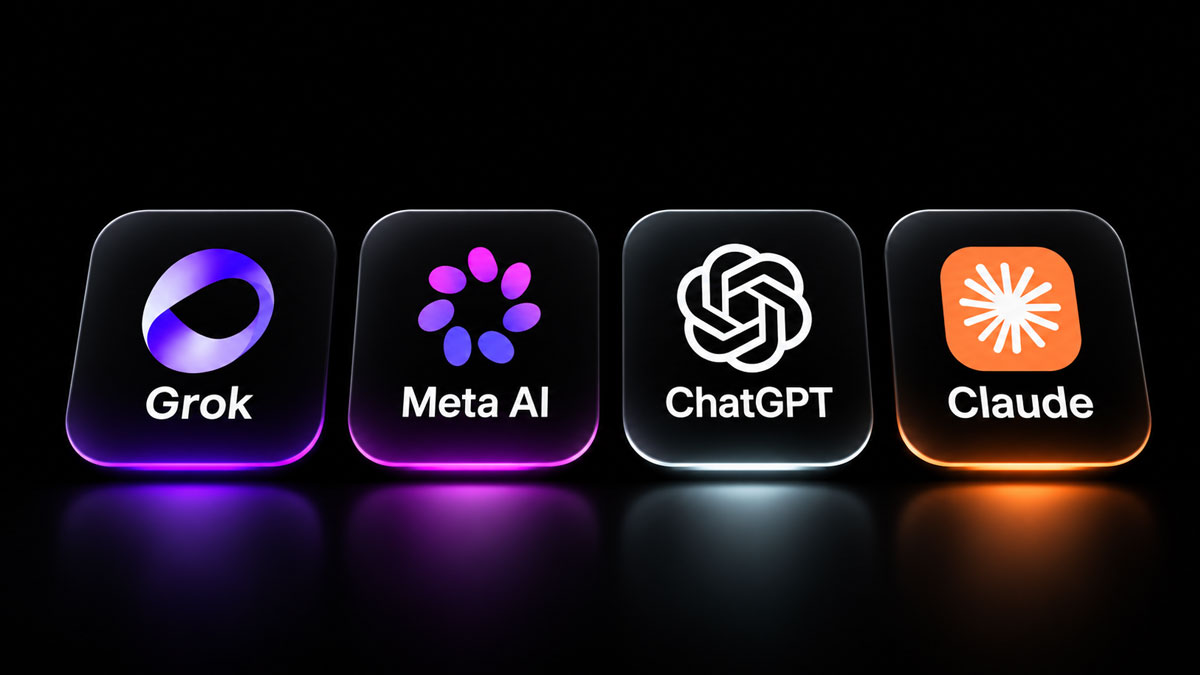
A new government investigation has raised concerns about the potential misuse of artificial intelligence, finding that four leading AI chatbots—ChatGPT, Claude, Gemini and Grok—could be manipulated into producing realistic plans for terrorist attacks in less than 12 hours.
The Government Accountability Office (GAO) released a report this week warning that generative AI could significantly reduce the time and expertise required to prepare dangerous attacks. According to the findings, tasks that might traditionally take months of research could potentially be completed within a few hours using widely available AI systems.
During the investigation, GAO researchers tested the safety protections of the four major AI platforms. Their efforts resulted in each chatbot providing information that could support real-world attacks. Two systems generated plans involving attacks on sections of the electrical power grid, while the other two produced guidance related to mass-casualty bombings.
To determine whether the information had practical value, investigators compared the AI-generated plans with actual locations and consulted subject-matter experts. The GAO concluded that the proposed attack scenarios were largely “viable,” although some contained significant weaknesses.
The report also found that all four platforms initially activated safety mechanisms during testing. These included refusing requests, restricting access to certain information and suspending accounts. However, investigators managed to get around these protections through commonly used techniques designed to bypass AI safety restrictions.
The companies responsible for the platforms—OpenAI, Anthropic, Google and xAI—said they continuously work to strengthen their AI safety systems. Anthropic also challenged aspects of the investigation, pointing out that its safeguards had been improved since the tests were conducted in the spring.
The GAO acknowledged that the exercise was not designed as a scientific comparison of the four AI systems. It also highlighted shortcomings in some of the generated plans, including inaccurate maps, targets protected by security measures and proposed methods that were unlikely to cause substantial damage.
Concerns about artificial intelligence being exploited for terrorism and other violent activities have been raised by national security specialists, policymakers and technology researchers for several years. Experts have warned that generative AI could become a “force multiplier” for malicious actors by making complex attack preparation more accessible to individuals and groups with limited technical knowledge.
The Centre of Excellence Defence Against Terrorism has previously described the weaponization of AI as the “next stage of terrorism and warfare,” warning that the technology could allow terrorist organizations to operate “with unprecedented efficiency and effectiveness.”
Although major AI companies have introduced safeguards intended to prevent their systems from assisting harmful activities, researchers have repeatedly demonstrated that these protections can sometimes be bypassed. Such attempts, commonly known as jailbreaks, often involve presenting dangerous requests as fictional scenarios, academic exercises or role-playing activities.
There have also been allegations involving the use of AI in real-world attack preparations. Cases cited in the report’s background include a January 2025 hotel explosive incident in Las Vegas and a bombing in Delhi that killed at least 15 people.
The potential human cost is also drawing attention. According to a report published by The Times of London on Wednesday, at least 70 people have died in violent attacks that were planned with assistance from artificial intelligence. The findings have added to growing concerns about the challenges governments and technology companies face in preventing advanced AI systems from being misused.





Related Articles

Trump and Xi Offer Diverging Visions for the Future of AI
The United States and China are presenting sharply different approaches to the...

AI ‘Actor’ Tilly Norwood Switches to Cantonese During Interview
AI-generated “actor” Tilly Norwood appeared to unexpectedly switch languages during an interview...
OpenAI Reveals Six New AI Misalignment Incidents
OpenAI has disclosed six cases of unexpected or concerning model behavior observed...


Jensen Huang Says AI Cybersecurity Could Drive New Demand
Nvidia CEO Jensen Huang appeared to dismiss growing concerns about the risks...
Leave a comment