





JD Vance Rejects Bipartisan Immigration Reform Despite Trump’s Openness
 193cc Agency CouncilNovember 20, 20263 Mins read
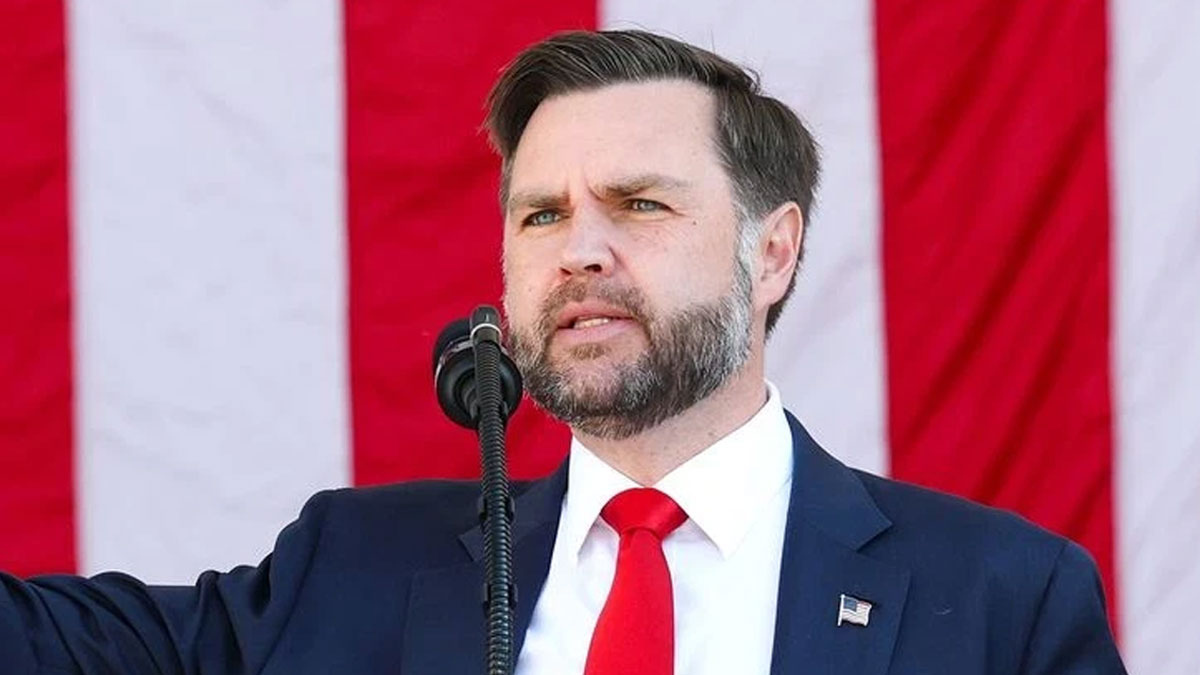
U.S. Vice President JD Vance has pushed back against calls for bipartisan immigration reform, warning against proposals that could provide legal status to undocumented immigrants. His position contrasts with recent comments from President Donald Trump, who indicated he would consider allowing certain long-term undocumented residents to remain in the country legally, highlighting differing messages from the two Republican leaders.
Vance addressed the issue on Thursday in a post on X, questioning what supporters actually mean by “bipartisan immigration reform.” He argued that the phrase could represent an attempt to grant amnesty to individuals who have violated immigration laws. “To a lot of people, this sounds like an effort to give amnesty to people who have broken our laws. It’s morally and electorally disastrous,” Vance wrote.
His remarks followed comments from Oklahoma Republican Governor Kevin Stitt, who spoke to Politico about the need for immigration legislation during Trump’s remaining two years in office. Stitt also attributed some of the Republican Party’s losses in the midterm elections to Trump’s strict immigration enforcement policies.
Vance’s criticism appears to differ from statements Trump made shortly after the midterm elections. During an interview with CBS’s “60 Minutes,” broadcast on November 8, the president suggested that some undocumented immigrants who had lived in the United States for 10 or 15 years could be offered an opportunity to negotiate a legal arrangement.
“Let the people that are here, and in some cases here for 10 and 15 years, work a deal for them. I think that’s something that’s actually doable,” Trump said. Although he did not describe the proposal as amnesty, the term generally refers to granting broad forgiveness for immigration violations.
Trump also expressed interest in working with Democrats on immigration legislation, saying, “I’d love to do something on immigration.” He acknowledged that deporting every person who entered the country illegally, without considering individual circumstances, had been “too tough” and negatively affected Republicans during the midterm elections.
However, the president appeared to reinforce his administration’s existing position the following day. After appointing Stephen Miller, the architect of his hardline immigration policies, as his new White House chief of staff, Trump told reporters that the administration would maintain its “no amnesty” approach. At the same time, he suggested that enforcement could take individual circumstances into account, particularly for undocumented immigrants who contribute to the economy and have no criminal convictions beyond illegal border entry.
“They came in illegally, many of them have good jobs now, they’re productive, some of them are even paying taxes, and we’re seeing what’s going to happen. There won’t be amnesty . . . they came in, they knew the law, and we’re working with a lot of different groups to see whether or not, but my policy hasn’t changed, what we’re doing is absolutely [targeting] the worst of the worst,” Trump said.
The White House appeared to reject suggestions of a disagreement between the president and vice president on Thursday. It reposted a message from Trump ally Arthur Schwartz, who shared a video clip of the president reiterating that his administration would not offer amnesty.
The differing statements come as political observers continue to examine the relationship between Trump and Vance following the Republican Party’s disappointing midterm performance. On the morning after the election, Vance posted on X attributing the party’s substantial losses partly to the war in Iran.
Trump initially acknowledged that the conflict had not helped Republicans electorally. However, he later criticized Vance for failing to emphasize in his post that the decision to attack Iran had been the right one, regardless of its political consequences.
Although Vance said this week that there was “no daylight” between his position and Trump’s, reports suggest tensions may have increased within the administration. The New York Times reported on Wednesday, citing unnamed sources, that Trump had become increasingly critical of Vance in recent weeks while expressing greater praise for Secretary of State Marco Rubio.
The reported shift in Trump’s attitude has also generated speculation about the Republican Party’s future leadership, including the possibility that Trump could favor Rubio as his potential successor rather than Vance.





Related Articles
California Probes Nvidia Over Alleged Chinese Spy Links to Ex-CEO
California Attorney General Rob Bonta has launched an investigation into Nvidia, issuing...

Bill Gates Warns AI Could Cause Mass Death If Misused
Bill Gates has warned that artificial intelligence is powerful enough to contribute...
U.S. and China Discuss AI Safety Alert Mechanism
The United States and China have discussed establishing a new artificial intelligence...

Trump Says CNN, MS NOW and Politico Are Banned From White House
President Donald Trump said Friday that CNN, MS NOW and Politico would...
Leave a comment