





AMD Shares Slide as Short Seller Raises New China Export Concerns
 193cc Agency CouncilNovember 20, 20262 Mins read
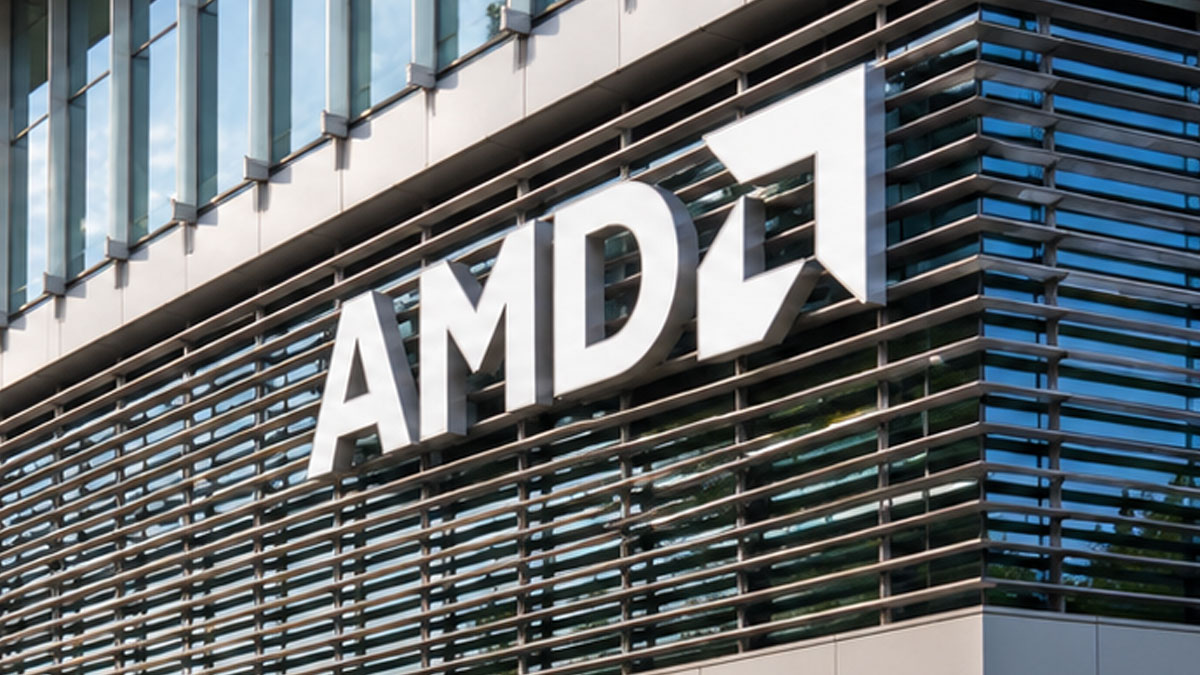
Shares of Advanced Micro Devices (AMD) came under further pressure in premarket trading on Friday after short seller Hunterbrook Media published a report alleging that the chipmaker faces potential risks involving its business connections in China and compliance with U.S. export restrictions.
AMD shares dropped approximately 5.4% to around $462.42 in early Friday trading, following a 7.72% decline on Thursday, when the stock closed at $489.19.
In a report released Thursday titled “AMD Has Its Own China Problem,” Hunterbrook Media questioned how Chinese server manufacturer IEIT Systems continued receiving newer versions of AMD firmware after being placed on the U.S. Commerce Department’s blacklist in 2025. The software enables AMD chips to function within servers.
According to Hunterbrook, its investigation identified at least six updated versions of AMD firmware appearing in IEIT products after the company’s blacklisting. The latest update identified in the report was published on October 19, 2026, raising questions about how IEIT continued accessing the software.
The report also identified three businesses allegedly connected to IEIT: China’s Maginfra, Singapore-based Kaytus and California-based Aivres. Hunterbrook said these companies sell servers equipped with AMD processors and provide firmware that is 99.94% identical to the versions associated with IEIT.
Hunterbrook acknowledged that it could not determine precisely how IEIT obtained AMD’s firmware. However, the report suggested that intermediaries, including Aivres or Kaytus, could potentially have provided a route through which the software reached the blacklisted Chinese company.
The report’s financial disclosures are also relevant to its findings. Hunterbrook Media is affiliated with investment firm Hunterbrook Capital, which revealed that it held a short position in AMD when the report was published. This means the investment firm could financially benefit if AMD’s share price declines.
Hunterbrook also warned that AMD could face increased regulatory scrutiny as Washington tightens controls on advanced semiconductor exports. The report highlighted new Commerce Department rules introduced earlier this week requiring an additional license for chip exports or transfers involving companies in Indonesia, Malaysia, Singapore, Thailand, Brazil and other countries designated by the United States as presenting a “higher-than-normal risk of diversion.”
The report pointed to AMD’s revenue exposure in the region, stating that the company billed $7.75 billion to customers in China and Hong Kong during 2025, representing 22.4% of its annual revenue. Another $4.28 billion, or 12.4% of revenue, came from customers in Singapore.
AMD has rejected Hunterbrook’s allegations. A company spokesperson told multiple media outlets that the report “misrepresent[s] AMD’s business practices and relationships.” The spokesperson added: “AMD complies with applicable US export control laws and regulations and maintains rigorous processes to ensure compliance across our global operations.”
The report and AMD’s falling share price come as rival chipmaker Nvidia faces separate scrutiny over its connections to China. Nvidia’s former CEO Jensen Huang resigned last week following reports about an alleged relationship with a woman suspected of having links to Chinese intelligence. Huang has agreed to appear before three House committees on December 1 and has also accepted an invitation to testify before the Senate Banking Committee, although that hearing has not yet been scheduled.
On Thursday, California Attorney General Rob Bonta announced that his office had subpoenaed Nvidia as part of an investigation into whether the company or actions involving Huang allowed China to obtain restricted advanced chips or confidential information.




Related Articles

Billionaire Frank Slootman Pledges $22 Million for Trump Accounts
Technology billionaire Frank Slootman and his wife, Brenda, have committed approximately $22...
Trump Discloses Tesla and SpaceX Investments, Sells Millions in Stocks
U.S. President Donald Trump has disclosed new investments in Tesla and SpaceX...

Mark Zuckerberg Loses $8.9 Billion as Meta Shares Slide
Mark Zuckerberg’s estimated fortune fell by $8.9 billion on Friday as Meta...


Oura Targets Up to $2.2 Billion in Smart-Ring IPO
Oura is moving ahead with plans to go public, targeting as much...
Leave a comment