


Billionaire Frank Slootman Pledges $22 Million for Trump Accounts
 193cc Agency CouncilNovember 20, 20262 Mins read
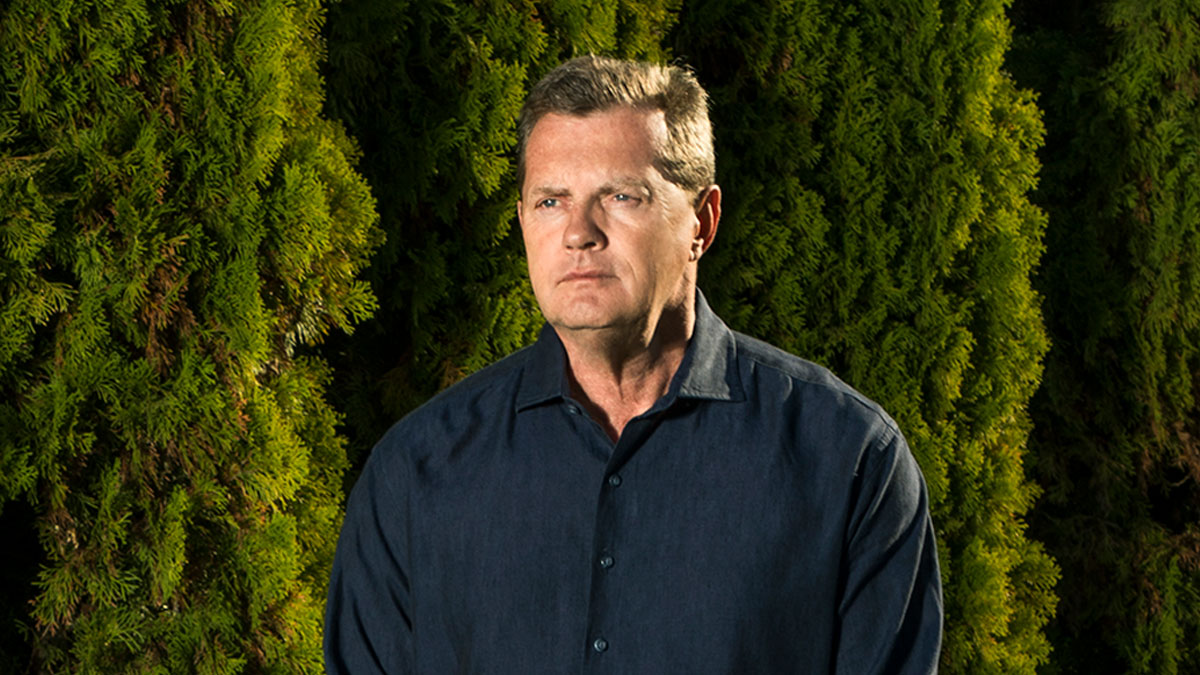
Technology billionaire Frank Slootman and his wife, Brenda, have committed approximately $22 million to support investment accounts for children born in Montana, their home state. The couple plans to contribute $1,000 to more than 22,000 children born in 2023 and 2024, joining several wealthy donors backing President Donald Trump’s child investment savings initiative.
The Treasury Department announced the contribution on Wednesday, explaining that the donation will provide initial funding for children who do not qualify for the federal government’s $1,000 seed contribution. Under the existing program, the government-funded deposits are available to eligible children born between 2025 and 2028.
The Slootmans are the latest billionaire family to make a substantial financial commitment to the initiative. They join Michael and Susan Dell, along with Ray and Barbara Dalio, who have also pledged millions of dollars to help establish investment accounts for American children.
“We want to give Montana children an even faster start in life,” the Slootmans said in a press release.
Slootman has accumulated an estimated fortune of $3.5 billion as of Thursday through his career leading major technology companies. He first gained significant recognition after taking data storage company Data Domain public in 2007. EMC subsequently acquired the business in 2009 for $1.8 billion.
He later led enterprise software company ServiceNow through its initial public offering in 2012. Since joining cloud-based database company Snowflake in 2019, Slootman has served as its chief executive and guided the company through its public market debut in 2020.
The Trump Accounts initiative, formally known as 530A accounts, is designed to provide children with long-term investment savings through IRA-style financial vehicles. An authorized adult can establish an account for anyone under 18, and the account converts into a traditional individual retirement account when the beneficiary reaches adulthood.
Parents, relatives, employers and other contributors can make additional deposits on behalf of eligible children. The accounts are managed by Bank of New York Mellon, with the money invested in U.S. stock funds. Investment growth is tax-deferred.
Under the federal funding arrangement, children born between 2025 and 2028 qualify for an initial government contribution of $1,000. Certain children born between 2016 and 2024 may also receive $250 in seed funding if they reside in ZIP codes where the median income is $150,000 or below, a threshold that covers the overwhelming majority of the United States.
Estimates suggest approximately 14.3 million babies will be born in the country between 2025 and 2028. Providing each eligible child with the government’s $1,000 contribution would require an estimated $14.3 billion in funding.
According to the White House, nearly 70 million American children had been enrolled in Trump Accounts as of October 2026, highlighting the scale of participation in the program.
Other wealthy individuals and major corporations have also announced significant contributions. Michael and Susan Dell pledged $6.25 billion to provide $250 deposits for as many as 25 million American children aged 10 and younger who were born before 2025. Ray and Barbara Dalio separately committed $75 million to support $250 contributions for eligible lower-income children in Connecticut.
Elon Musk also announced last month that he plans to donate one personal SpaceX share to every child in the United States next year through the Trump Accounts initiative. The proposed contribution would cover approximately 72 million to 73 million children and represents an estimated investment value of around $10 billion.
Several major financial institutions and technology companies are supporting the initiative through employee-focused contributions. Dell Technologies, JPMorgan Chase, BlackRock, Goldman Sachs, Morgan Stanley and Charles Schwab are among the companies that have pledged matching contributions of $1,000 for eligible children of their U.S. employees.
These commitments from wealthy individuals and major corporations are expanding the pool of private funding available to support the Trump Accounts program alongside its federal seed contributions.




Related Articles
AMD Shares Slide as Short Seller Raises New China Export Concerns
Shares of Advanced Micro Devices (AMD) came under further pressure in premarket...
Trump Discloses Tesla and SpaceX Investments, Sells Millions in Stocks
U.S. President Donald Trump has disclosed new investments in Tesla and SpaceX...
Mark Zuckerberg Loses $8.9 Billion as Meta Shares Slide
Mark Zuckerberg’s estimated fortune fell by $8.9 billion on Friday as Meta...

Oura Targets Up to $2.2 Billion in Smart-Ring IPO
Oura is moving ahead with plans to go public, targeting as much...
Leave a comment