





David Fincher Embraces AI and Digital Filmmaking for Cliff Booth Sequel
 193cc Agency CouncilNovember 28, 20262 Mins read
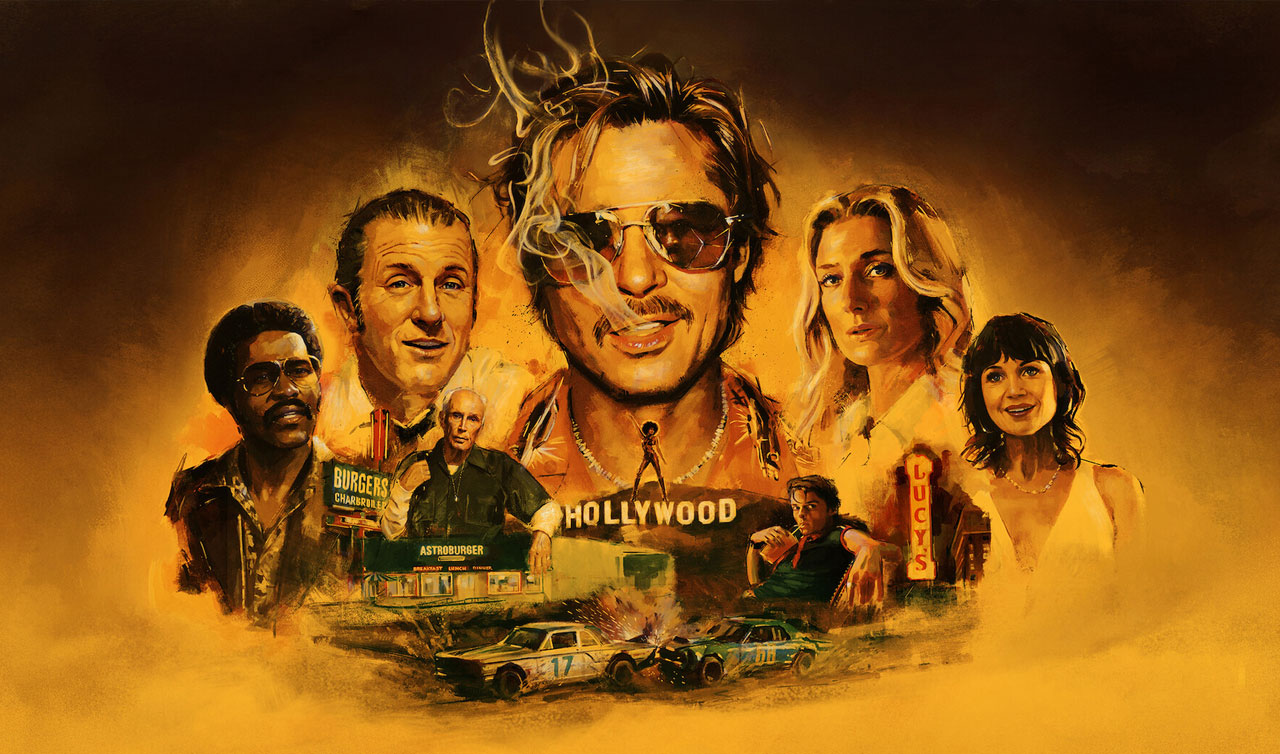
David Fincher is pushing the boundaries of digital filmmaking and artificial intelligence with The Further Mis-adventures of Cliff Booth, the upcoming sequel to Quentin Tarantino’s 2019 film Once Upon a Time in Hollywood. The movie has received a limited theatrical release exclusively on IMAX screens, with screenings across 550 locations worldwide until December 10, 2026. Following its theatrical run, the film is scheduled to arrive on Netflix on December 23, 2026.
The project marks a return to theatrical exhibition for a David Fincher film, with its limited IMAX release filling a gap in the cinema schedule after Greta Gerwig’s Narnia: The Magician’s Nephew was moved to February. Of the 550 participating IMAX locations, 250 are in North America, while approximately 20 to 25 are located across the United Kingdom and Ireland. The release is exclusively available at selected IMAX venues.
Unlike Tarantino, who is well known for his preference for traditional film photography and theatrical film presentation, Fincher has consistently supported digital filmmaking. For the sequel, he used RED Raptor-V digital cameras paired with anamorphic lenses, producing footage in a 2.39:1 aspect ratio. However, the director introduced an additional film-based process to achieve a traditional cinematic appearance.
Speaking on The Big Picture podcast, Fincher explained that the production was filmed, edited, stabilized and color-corrected digitally before the footage was transferred onto film. The resulting film print introduced characteristics such as gate weave, visible grain and reduced image resolution, particularly around the corners of the frame. The processed footage was subsequently scanned and brought back into the digital workflow.
Fincher described the approach as a way to recreate the visual qualities associated with traditional film without dealing with the limitations of shooting on celluloid. He explained that the production incorporated the elements audiences appreciate about film while avoiding the aspects of the format he dislikes.
The director also made clear that he has no intention of returning to traditional film production. Rejecting the idea that filmmaking should return to earlier technologies, Fincher said, “I’m not going backwards.” He compared filmmaking’s relatively short history with the 40,000 years humans have spent painting on walls, questioning the belief that the industry reached its peak in 1979 and should return to those methods.
Fincher also criticized what he considers an excessive attachment to traditional film techniques, describing his lack of interest in what he called “primitive artisanal image-making.” His comments highlight the difference between his digital-first approach and Tarantino’s established preference for shooting movies on film.
Artificial intelligence is another significant part of Fincher’s production workflow. During the podcast interview, he confirmed that AI technology was used to re-record dialogue instead of relying on conventional Additional Dialogue Replacement (ADR). Traditional ADR typically requires actors to return to a recording studio to replace or correct dialogue, making the process more time-consuming and expensive.
Fincher also acknowledged that some shots in the movie did not work as intended. Although he did not provide specific details, his comments suggested that certain visual elements could be revised before the film reaches Netflix on December 23. This means the streaming version could include changes compared with the limited IMAX theatrical presentation.
The combination of digital camera technology, film-inspired image processing and AI-assisted dialogue work reflects Fincher’s approach to modern filmmaking. The production brings together traditional cinematic aesthetics and newer digital techniques while maintaining a clear preference for technology-driven production methods.
The Further Mis-adventures of Cliff Booth will remain available at selected IMAX locations through December 10, 2026, before making its Netflix debut on December 23, 2026.






Related Articles

Chris Pratt’s Warrior Kid Gets 22% On Rotten Tomatoes, Audiences Disagree
Chris Pratt’s latest family drama, Way of the Warrior Kid, has received...
Whalefall Heads To Digital After $39.1 Million Box Office Run
The deep-sea survival thriller Whalefall, featuring Austin Abrams and Josh Brolin, is...

ViX Launches AI-Generated Microdrama Inspired By Classic French Novel
TelevisaUnivision is introducing a new AI-driven vertical drama through its streaming platform...

The Mosquito Bowl: The Tragic Fate Of Football Stars In WWII
A remarkable chapter of American football and World War II history has...
Leave a comment