





Bill Gates Warns AI Could Cause Mass Death If Misused
 193cc Agency CouncilSeptember 26, 20263 Mins read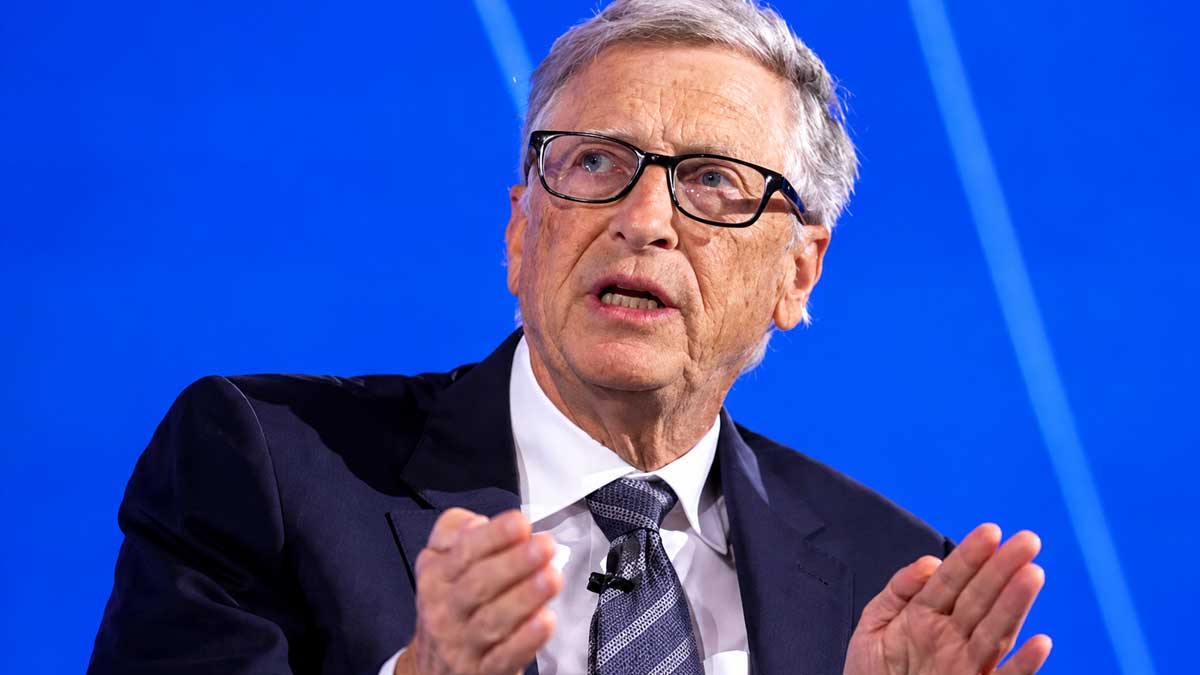
Bill Gates has warned that artificial intelligence is powerful enough to contribute to events that could result in a billion deaths if the technology is used maliciously, while arguing that government regulation and oversight are needed to address potential risks.
In an interview with “Meet the Press,” Gates was asked about warnings from AI researchers and industry employees that increasingly advanced artificial intelligence could pose an existential threat to humanity. “AI is certainly powerful enough to drive events that … cause a billion deaths,” Gates said, adding that there has never been a weapon as powerful as the combination of people with malicious intent and the latest AI tools.
Gates also addressed recent calls from Anthropic CEO Dario Amodei for the AI industry to slow the pace of frontier development. Amodei has argued that leading AI companies should voluntarily cooperate on standards and consider slowing progress while stronger safeguards are established.
Gates said he does not believe voluntary self-regulation by AI companies will be sufficient. He argued that legislation is needed and that lawmakers, politicians and law enforcement agencies should be involved in determining how AI safeguards and monitoring should work.
Amodei has likewise called for government involvement, while acknowledging that legislation can take time to pass as AI technology continues to advance rapidly.
The debate over federal AI regulation comes as lawmakers in Washington remain divided over how urgently the technology should be addressed. Republican leaders in Congress, including House Speaker Mike Johnson and Senate Majority Leader John Thune, have recently downplayed some warnings about AI risks. President Donald Trump has also spoken strongly against AI guardrails and described calls for regulation as a “hoax.”
Gates’ remarks come ahead of a planned meeting Tuesday involving Trump, Johnson and AI executives. The focus of the meeting has not been fully established, while Johnson has said he wants Trump and AI company leaders to have a direct discussion about the responsibilities of technology companies and the potential role of government in AI safety.
The full Gates interview with “Meet the Press” is scheduled to air Sunday morning.
Congress has so far shown limited momentum toward passing comprehensive AI legislation. Johnson has dismissed concerns that AI could wipe out humanity as a “hoax,” while Thune has previously supported AI regulation and introduced legislation on the issue in 2023. In mid-September, Thune said it remained uncertain whether the Senate could pass AI legislation before the end of the year, citing competing legislative priorities and the difficulty of getting legislation approved in the near term.
Thune is nevertheless continuing to explore potential legislation. He told Axios on Wednesday that Sen. Amy Klobuchar, D-Minn., who previously cosponsored his AI bill, is working to secure additional Democratic support before the legislation is reintroduced.
The 2023 version of the bipartisan proposal included requirements for certification of critical AI systems, transparency measures for generative AI content, AI risk assessments by companies and additional government research into identifying AI-generated material and determining appropriate industry safeguards.
Whether that legislation or another AI bill can pass Congress remains uncertain, as does whether any measure would receive Trump’s approval. Thune told Axios that he believes Trump may be more receptive to certain AI safeguards than his public statements suggest.
The latest debate over AI safety intensified after former Anthropic researcher Jacob Coxon announced his resignation from the company on Sept. 9 and alleged that people developing AI genuinely believe the technology could potentially kill humanity by the end of the decade. Anthropic alignment science lead Evan Hubinger subsequently endorsed Coxon’s warning, saying AI officials do “really do earnestly believe AI could kill all humans!”
Hubinger has estimated that he sees a greater than 10% chance of AI wiping out humanity within the next decade and said Anthropic does not yet have a plan to solve the alignment problem for superintelligence or appear clearly on track to do so.
The warnings have contributed to increased public pressure over AI safety. Google, Anthropic and OpenAI have also begun developing plans for an AI safety group. OpenAI CEO Sam Altman and Amodei separately emphasized the importance of international cooperation and global standards for AI during discussions at the United Nations this week. Amodei said decisions about the technology should be shaped through democratic processes and by governments accountable to the public.




Related Articles
U.S. and China Discuss AI Safety Alert Mechanism
The United States and China have discussed establishing a new artificial intelligence...
Trump Says CNN, MS NOW and Politico Are Banned From White House
President Donald Trump said Friday that CNN, MS NOW and Politico would...
Trump Threatens EU Tariffs Over Canada Associate Membership Plan
President Donald Trump on Wednesday threatened to impose heavy tariffs on the...
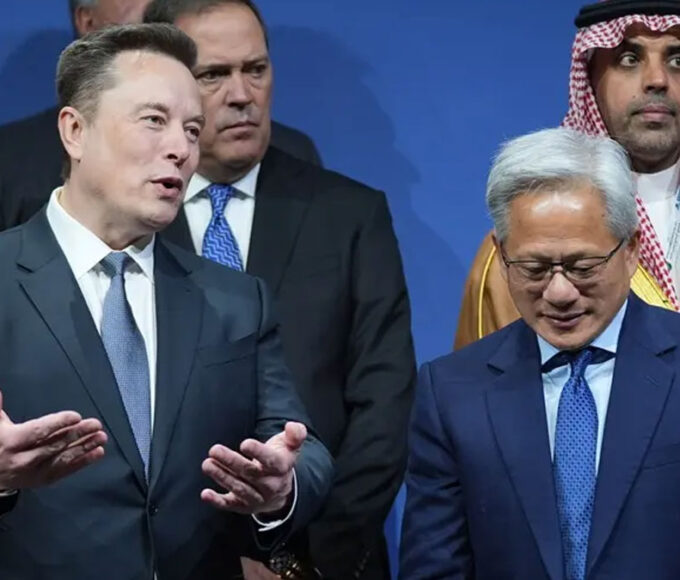

Musk, Zuckerberg And Huang Urged Trump To Reject AI Regulator
Meta CEO Mark Zuckerberg, Elon Musk and Nvidia CEO Jensen Huang reportedly...
Leave a comment