





Apple Pulls WhatsApp, Other Messaging Apps from Chinese Store
 193cc Agency CouncilApril 19, 20241 Mins read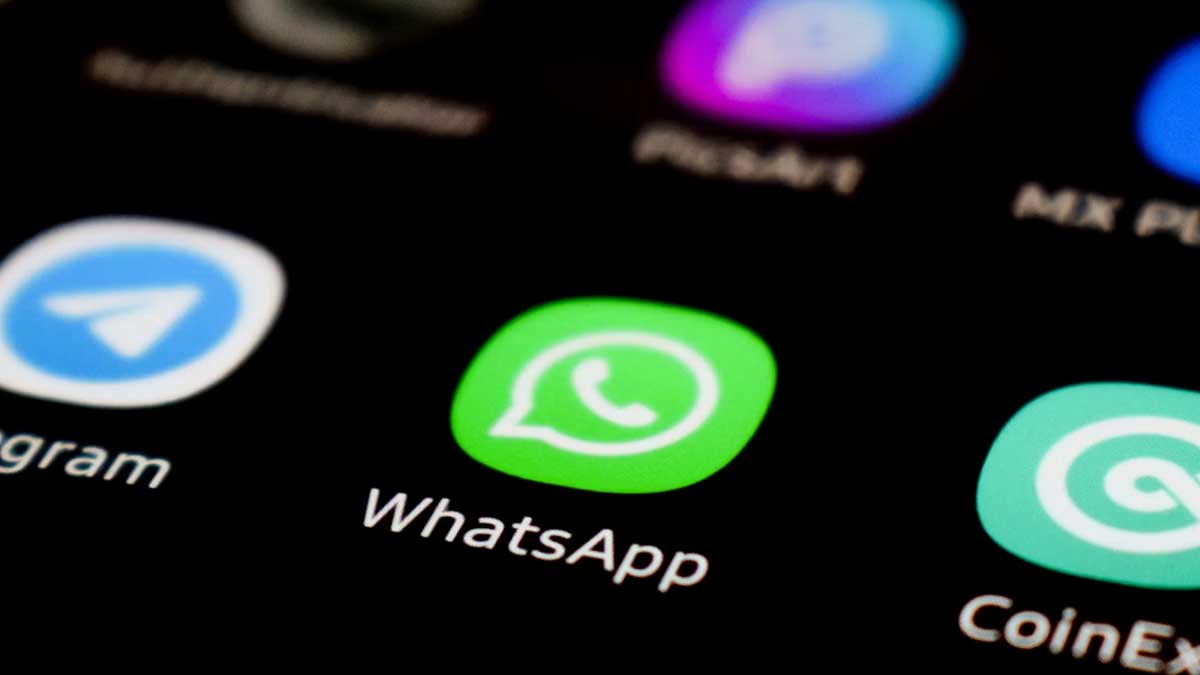
Apple has taken action in compliance with a directive from Chinese authorities, removing several popular messaging apps, including Meta’s WhatsApp, from the iPhone’s Chinese App Store. This move follows an order from Beijing officials who raised concerns about these apps posing “national security concerns.” The Wall Street Journal first reported on this development, noting that Apple did not disclose the complete list of apps flagged by Chinese authorities. Alongside WhatsApp, Apple also removed Meta’s Threads, as well as messaging apps Signal, Line, and Telegram from its digital storefront in China.
Apple emphasized its commitment to adhere to local laws in the countries where it operates, even when there are disagreements. The company’s decision to remove these messaging apps comes after Chinese officials reportedly found “inflammatory” content on WhatsApp and Threads related to Chinese President Xi Jinping. This content was deemed to be in violation of China’s stringent online censorship regulations.
One significant aspect of this story is that all the messaging apps targeted by the takedown offered end-to-end encryption for chats or calls between users. This encryption method limits the ability of Chinese authorities to monitor and censor content shared on these platforms. It remains unclear whether this aspect influenced Apple’s decision. Notably, Apple’s own messaging apps, iMessage and Facetime, also use end-to-end encryption. However, it is important to note that iCloud user data in China is managed by a local firm, with the necessary cryptographic keys stored within China.
Looking ahead, the U.S. House of Representatives is scheduled to vote on legislation that could potentially lead to a ban on TikTok in the United States. Lawmakers from both sides of the aisle have expressed concerns that TikTok, owned by a Chinese company, poses a national security threat. The proposed legislation would require TikTok’s Chinese parent company to sell the app or face a ban in the U.S. Chinese authorities have criticized this move, with the Chinese Foreign Ministry stating in March that such actions would undermine fairness by using “so-called national security reasons” to suppress superior companies from other countries.






Related Articles
Xiaomi 18 Pro Max Pushes Into Premium Global Phone Market
Xiaomi is expanding its premium smartphone ambitions beyond China with the Xiaomi...

Epson Launches Three New 4K Laser Home Cinema Projectors
Epson has introduced three new laser-powered home cinema projectors aimed at movie...
Feather Robotics Launches $29,990 Mobile Humanoid Robot
California startup Feather Robotics has emerged from stealth with a $29,990 mobile...


MCHOSE ACE 75 Hall Effect Gaming Keyboard Launches on Kickstarter
MCHOSE has launched its ACE 75, a new 75% Hall Effect gaming...
Leave a comment