




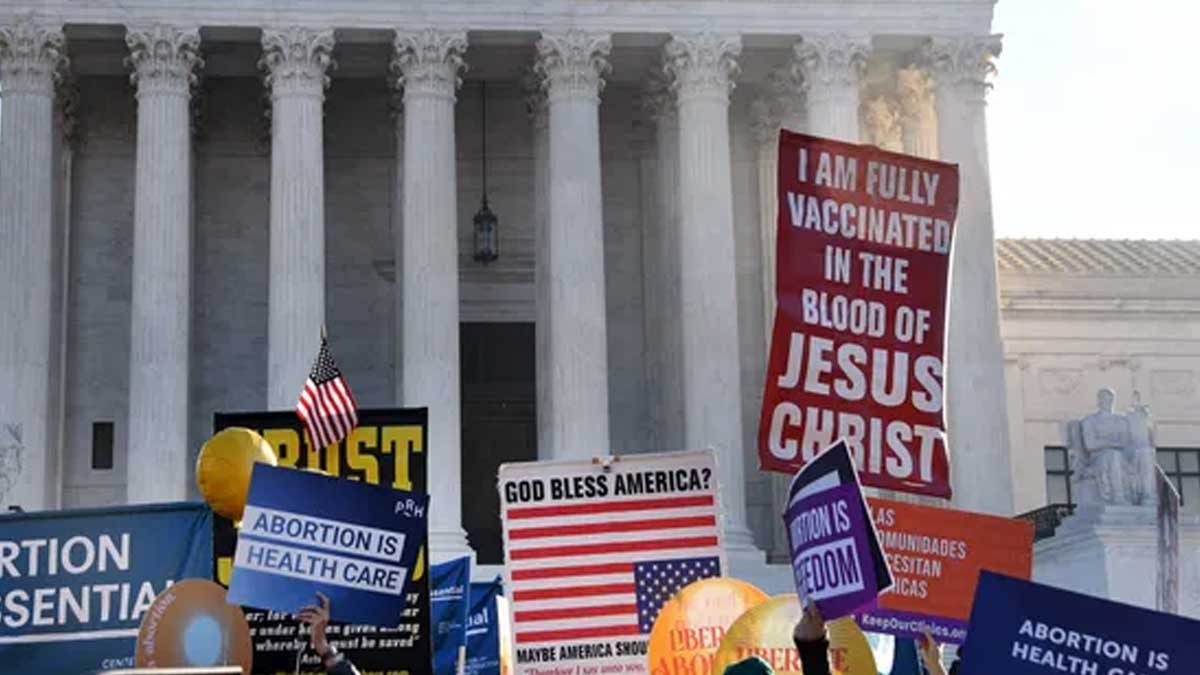
The Supreme Court has decided not to intervene in a contentious case involving GOP-led states attempting to block the Biden administration’s collaboration with social media companies. In a decisive 6-3 ruling, the Court determined that the states lacked standing to challenge the government’s initiatives, which they alleged pressured platforms into censoring content deemed unfavorable to the administration. Justice Amy Coney Barrett, writing for the majority, emphasized that the states did not demonstrate sufficient personal harm nor establish a direct causation between government actions and past content restrictions they faced.
The lawsuit, brought by Missouri, Louisiana, and several individuals, accused the Biden administration of engaging in what they termed a “broad pressure campaign” aimed at coercing social media platforms to suppress certain speakers and viewpoints. Specifically, the plaintiffs objected to the administration’s efforts to combat misinformation related to COVID-19 and the 2020 election by urging platforms to remove misleading content.
Barrett’s opinion highlighted that while the government may influence platform moderation decisions, the evidence did not support claims of direct governmental censorship. She underscored that social media companies retained independent discretion in content moderation, often acting on their own incentives and judgments.
In dissent, Justices Samuel Alito, Clarence Thomas, and Neil Gorsuch criticized the majority’s decision, characterizing the case as pivotal for free speech rights. They argued that the Biden administration’s actions constituted unconstitutional overreach, asserting that governmental pressure on social media platforms could suppress conservative voices and infringe upon First Amendment protections.
The Supreme Court’s ruling remands the case to lower courts rather than dismissing it outright, leaving open the possibility for continued litigation or further judicial review. The decision maintains the status quo, allowing the Biden administration to continue its interactions with social media platforms regarding content moderation policies.
The case, Murthy v. Missouri, is part of a broader debate over governmental influence on private platforms, often referred to as “jawboning.” This term describes informal efforts by governments to persuade or pressure platforms into altering their content moderation practices. The outcome underscores the complexities of balancing free speech concerns with governmental efforts to combat misinformation in digital spaces.
This ruling comes amidst ongoing scrutiny over alleged bias against conservatives on social media platforms, a controversy amplified by claims from right-wing figures, including former President Donald Trump, that their voices are unfairly silenced. As similar cases navigate through the legal system, the implications for digital free speech and governmental regulation of online content remain pivotal issues for future court decisions.






Related Articles
Bill Gates Warns AI Could Cause Mass Death If Misused
Bill Gates has warned that artificial intelligence is powerful enough to contribute...
U.S. and China Discuss AI Safety Alert Mechanism
The United States and China have discussed establishing a new artificial intelligence...
Trump Says CNN, MS NOW and Politico Are Banned From White House
President Donald Trump said Friday that CNN, MS NOW and Politico would...

Trump Threatens EU Tariffs Over Canada Associate Membership Plan
President Donald Trump on Wednesday threatened to impose heavy tariffs on the...
Leave a comment