




Vance Switzerland Visit Postponed as U.S.-Iran Talks Delayed
 193cc Agency CouncilJune 19, 20262 Mins read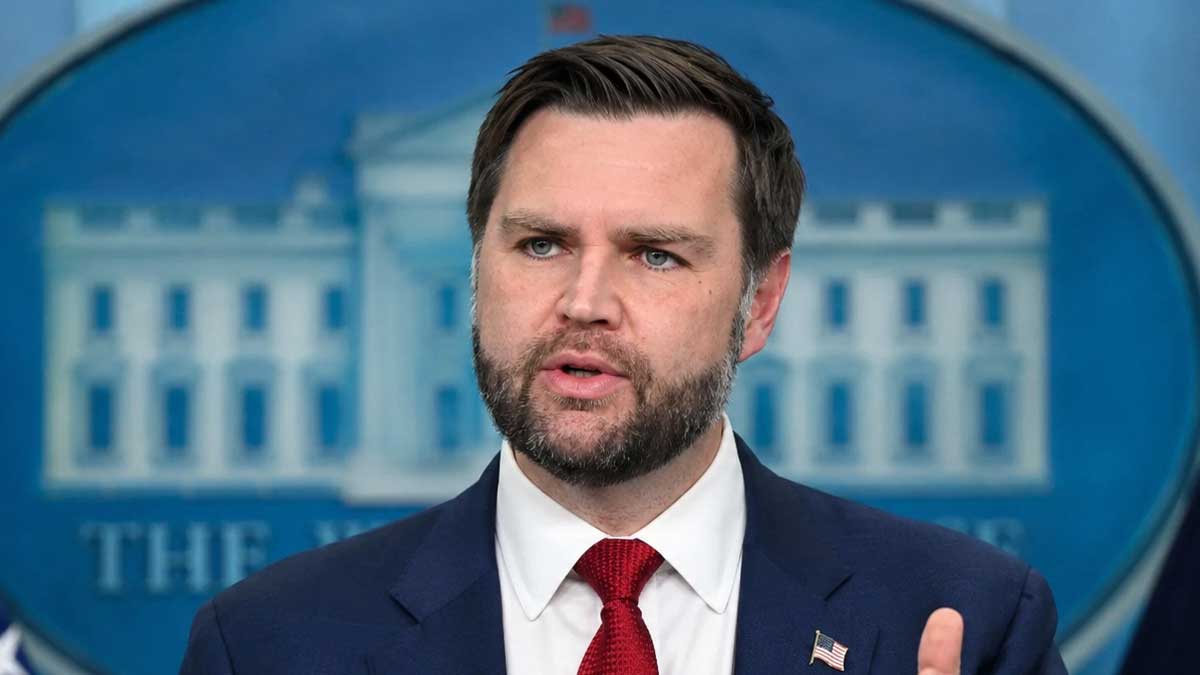
Vice President JD Vance’s planned trip to Switzerland has been postponed, delaying the launch of technical discussions between the United States and Iran following this week’s interim agreement aimed at ending the Iran War and restoring full access to the Strait of Hormuz.
The White House confirmed late Thursday that Vance would no longer travel to Switzerland on Friday, explaining that arrangements for the upcoming technical negotiations had not yet been finalized. Officials added that the American delegation remains prepared to depart as soon as the talks are ready to proceed.
The delay comes after U.S. President Donald Trump and Iranian President Masoud Pezeshkian electronically signed a Memorandum of Understanding on Wednesday night. The agreement triggered a 60-day period during which technical negotiations are expected to take place as both sides work toward implementing the terms of the deal.
Earlier on Thursday, Vance had indicated that negotiations could begin sometime over the weekend, while noting that scheduling remained subject to change. The Switzerland gathering had initially been presented as the formal signing ceremony for the interim agreement, but Iranian officials later argued that such an event was unnecessary after the document had already been signed electronically by both leaders.
According to a Reuters report citing Iran’s state-run Tasnim News Agency, Iranian representatives are ready to move forward with technical discussions but want evidence that the provisions of the interim agreement are being respected before talks begin.
One of the central elements of the agreement is the reopening of the Strait of Hormuz, a critical shipping route connecting the Persian Gulf to global markets. Late Thursday, Iran’s Supreme National Security Council announced that the waterway would be fully reopened to maritime traffic in both directions. The council also stated that vessels using the passage would not be charged any fees for the next 60 days and that those costs would be covered by the Iranian government.
Iran has previously threatened to impose transit fees on ships traveling through the strait, a proposal that faced opposition from neighboring countries and U.S. officials. Under the terms of the interim agreement, Iran is required to maintain toll-free access to the waterway for at least 60 days. It remains unclear whether any charges could be introduced after that period expires.
Iran’s Supreme Leader, Mojtaba Khamenei, publicly endorsed both the interim agreement and the planned technical negotiations while criticizing the United States. State media reported that Khamenei described the deal as the result of “sincere concern and goodwill” and the “extensive efforts” of Iranian officials. He also claimed that Trump accepted the agreement “out of desperation.”
While expressing support for future negotiations, Khamenei stressed that direct discussions would not signify acceptance of the U.S. position. He further said that Pezeshkian had assured him Iran would refuse any demands it considers excessive during the course of the talks.






Related Articles

Nor’easter Forces Cancellations of Major East Coast Events
A powerful nor’easter approaching the U.S. East Coast has led to the...
Pope Leo Welcomes Press Amid Trump White House Media Ban
Pope Leo XIV said Friday that journalists covering his trip to France...

Lewis Hamilton Backs Macklemore Amid Ed Sheeran Tour Dispute
Formula 1 driver Lewis Hamilton has publicly expressed support for Macklemore after...


Elon Musk Attacks ‘Musk’ Director Alex Gibney Over Documentary
Elon Musk has launched a series of attacks against Oscar-winning filmmaker Alex...
Leave a comment