





2026 Porsche 911 Targa 4 GTS Hybrid Delivers Thrilling Performance
 193cc Agency CouncilJune 20, 20262 Mins read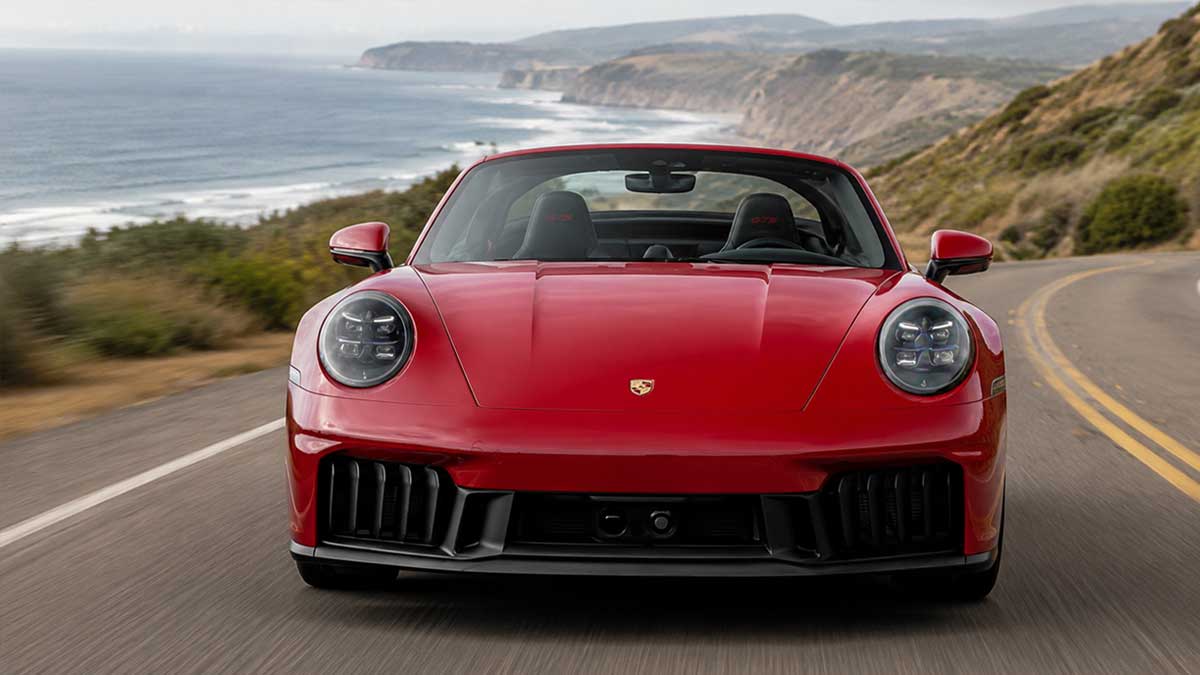
The 2026 Porsche 911 Targa 4 GTS introduces a new hybrid powertrain while maintaining the performance-focused character that has defined the iconic sports car for decades. As part of Porsche’s updated 992.2 generation, the latest Targa combines advanced electrification with the driving dynamics enthusiasts expect from the 911 lineup.
Power comes from a new T-Hybrid system centered around a 3.6-liter flat-six engine. The setup includes an electric exhaust turbocharger, an electric motor integrated into the eight-speed PDK transmission, and a compact 400-volt battery pack. Unlike plug-in hybrids designed primarily for efficiency, Porsche’s system is focused on enhancing responsiveness, acceleration, and overall performance.
The results are impressive. The Targa 4 GTS produces 532 horsepower and 449 lb-ft of torque, enabling a 0-60 mph sprint in just 2.9 seconds when equipped with the Sport Chrono package. The sports car also reaches a top track speed of 194 mph. Pricing begins at $203,300 before destination charges, while the tested vehicle’s optional equipment pushed the total price to $230,970.
Visually, the model retains the unmistakable design elements that distinguish the Targa from other 911 variants. The signature Targa bar, wraparound rear glass, and retractable fabric roof remain key features, while GTS-specific styling adds a more aggressive front fascia, vertical aerodynamic elements, wider wheels, and a more purposeful stance.
Inside, the cabin remains focused on the driver. Porsche has equipped the vehicle with premium materials, a precise driving position, compact rear seats, and an updated digital instrument cluster. The technology package includes Porsche Connect services, smartphone integration, available streaming features, and a range of driver-assistance and convenience technologies. While the updated interface offers a more modern appearance, it may require some time for drivers to fully adapt.
On the road, the hybrid-assisted Targa delivers exceptional performance without feeling overly aggressive in everyday driving situations. Its acceleration is particularly noticeable during highway passing maneuvers, where the electrified powertrain provides immediate response. The all-wheel-drive system contributes strong traction, while rear-axle steering helps the vehicle feel more agile and compact than its dimensions suggest. Braking performance is especially strong, with optional ceramic brakes providing additional confidence.
The car also balances performance with usability. Visibility is generally better than in many exotic sports cars, although the rear window can limit rearward views when the roof is in place. Features such as the front suspension lift system help drivers avoid damage from steep driveways and speed bumps.
Despite its strengths, the vehicle is not without drawbacks. Optional equipment can quickly raise the price to significantly higher levels, and the ride can feel firm on rough surfaces. Road noise remains noticeable, and some traditional Porsche enthusiasts may miss features such as analog gauges, the classic key-style starter, and the simplicity of a non-hybrid powertrain. Minor technology frustrations were also noted, including smartphone compatibility issues with a Nubia Z60 device and a temporary SiriusXM audio interruption that required restarting the vehicle.
Overall, the 2026 Porsche 911 Targa 4 GTS demonstrates how electrification can enhance performance without compromising the character of a sports car. Combining hybrid technology, everyday usability, and track-capable performance, the latest Targa continues to stand out as one of the most engaging models in Porsche’s lineup.






Related Articles
Kia EV2 Review: Affordable Electric SUV Targets 275-Mile Range
Kia is targeting the growing affordable electric SUV market with the new...
Aventon Current eMTB Brings 750W Power and Full Suspension
Aventon has expanded its electric mountain bike lineup with the new Current,...
2027 Kia Telluride Turbo Hybrid Brings Power and Luxury Value
The 2027 Kia Telluride Turbo Hybrid marks a major step forward for...

Ducati Streetfighter V2 Delivers 120 HP in a Lighter Package
The 2025 Ducati Streetfighter V2 combines the performance-focused hardware of Ducati’s Panigale...
Leave a comment