




Supreme Court Rejects Trump Order Limiting Birthright Citizenship
 193cc Agency CouncilJune 30, 20263 Mins read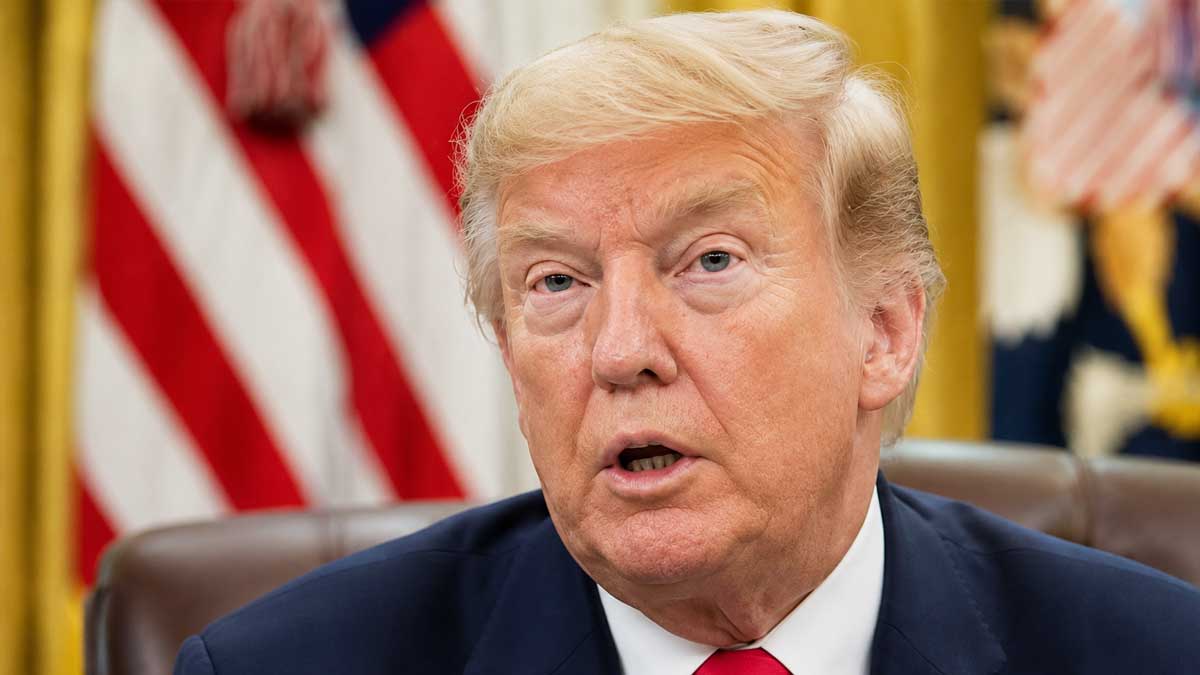
The U.S. Supreme Court has upheld birthright citizenship, striking down President Donald Trump’s executive order that sought to limit the constitutional guarantee. The decision marks the latest chapter in a policy fight Trump has pursued for more than a decade, beginning during his first presidential campaign in 2015 and continuing throughout both of his terms in office.
Trump first made ending birthright citizenship a central part of his immigration platform on Aug. 16, 2015, when he released a campaign proposal describing the policy as a major incentive for illegal immigration. Days later, during a Fox News interview on Aug. 19, he incorrectly asserted that children born in the United States to undocumented immigrants were not American citizens and said the issue would ultimately be tested in court. On Aug. 21, he also falsely claimed the United States was virtually alone in recognizing birthright citizenship, despite dozens of other countries having similar laws. Throughout the remainder of the 2015 campaign, including a rally in Orlando, Florida, on Nov. 13, Trump repeatedly vowed to end the practice.
During his first presidency, Trump continued pressing the issue. On Oct. 30, 2018, he told “Axios on HBO” that he planned to sign an executive order ending birthright citizenship, arguing such a move did not require a constitutional amendment. The following day, he said legal scholars had advised him the action could be taken through executive authority, although he acknowledged congressional action would provide a more permanent solution.
While no executive order was issued during his first term, the administration introduced a rule on Jan. 23, 2020, restricting tourist visas for individuals traveling to the United States for so-called “birth tourism,” a practice the administration argued was being used to secure U.S. citizenship for children born in the country.
Trump renewed the proposal during his 2024 presidential campaign. On May 30, 2023, as part of his Agenda47 platform, he pledged to sign an executive order directing federal agencies to deny automatic U.S. citizenship to future children born to undocumented immigrants. After winning the 2024 election, he reaffirmed that promise during a Dec. 8 interview on “Meet the Press,” saying he intended to act on his first day back in office and explaining that a similar effort had been delayed during his first administration because of the COVID pandemic.
On Jan. 20, 2025, shortly after returning to the White House, Trump signed the executive order, calling birthright citizenship “ridiculous.” When asked whether the measure could be overturned by the courts, he responded that while it was possible, he believed his administration had strong legal grounds. Ten days later, he defended the order in the Oval Office, arguing the constitutional provision had originally been intended for the children of formerly enslaved people rather than immigrants arriving from abroad, and predicted the Supreme Court would ultimately support his position.
As legal challenges advanced, Trump continued to criticize the policy. On May 25, 2025, while the Supreme Court considered whether lower-court judges could block the order nationwide, he argued on Truth Social that birthright citizenship was never intended for visitors traveling to the United States simply to obtain citizenship for their children. After the Supreme Court ruled on June 27, 2025, that federal judges could not impose nationwide injunctions—without deciding whether Trump’s order itself was constitutional—he described the outcome as a “GIANT WIN” and claimed the decision had indirectly weakened what he called the “Birthright Citizenship Hoax.”
In 2026, Trump repeatedly suggested the Supreme Court would ultimately reject his executive order. On Feb. 23, following the court’s decision striking down his tariff policy, he predicted the justices would also rule against him on birthright citizenship. He attended part of the Supreme Court’s oral arguments on March 30, becoming the first known sitting president to attend Supreme Court arguments, and continued arguing that the constitutional guarantee was being misused by wealthy foreign nationals seeking U.S. citizenship for their children. He again forecast defeat on April 21 and repeated that expectation in a lengthy Truth Social post on May 10, while criticizing conservative justices over separate tariff rulings. On June 11, he again argued the United States could not continue operating under the current birthright citizenship policy, calling it economically unsustainable.
The Supreme Court has now ruled against Trump’s executive order, preserving birthright citizenship in the United States. According to estimates from the Migration Policy Institute and Penn State’s Population Research Institute, roughly 255,000 children each year would have been denied U.S. citizenship had the order taken effect.
The dispute over birthright citizenship formed part of Trump’s broader immigration agenda, which has defined his political platform since announcing his first presidential campaign in 2015. That agenda has included plans to build a wall along the U.S.-Mexico border, travel restrictions affecting several countries, the family separation policy, tighter limits on asylum and refugee admissions, and expanded detention efforts targeting undocumented immigrants during his second term. The Supreme Court’s ruling follows two recent 6-3 decisions in which the court sided with the Trump administration on immigration matters, allowing officials to turn away asylum seekers before they reached the U.S.-Mexico border and permitting the administration to end temporary protections for Haitian and Syrian nationals.




Related Articles
Trump Presses Apple To Rename Lake Ontario ‘Lake America’
President Donald Trump has directly urged Apple to rename Lake Ontario as...
Trump Shares AI Videos Suggesting U.S. Attack On Kharg Island
President Donald Trump shared two AI-generated videos on social media appearing to...
Trump Slams Judge In Kennedy Center Renaming Dispute
President Donald Trump has intensified his criticism of the federal judge overseeing...

Google Maps Shows ‘Lake America’ to U.S. Users After Trump Order
Google Maps has begun displaying “Lake America” instead of “Lake Ontario” for...
Leave a comment