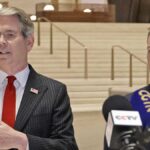

Musk Rejects USAID Death Claims as Studies Warn of Millions at Risk
 193cc Agency CouncilJune 29, 20263 Mins read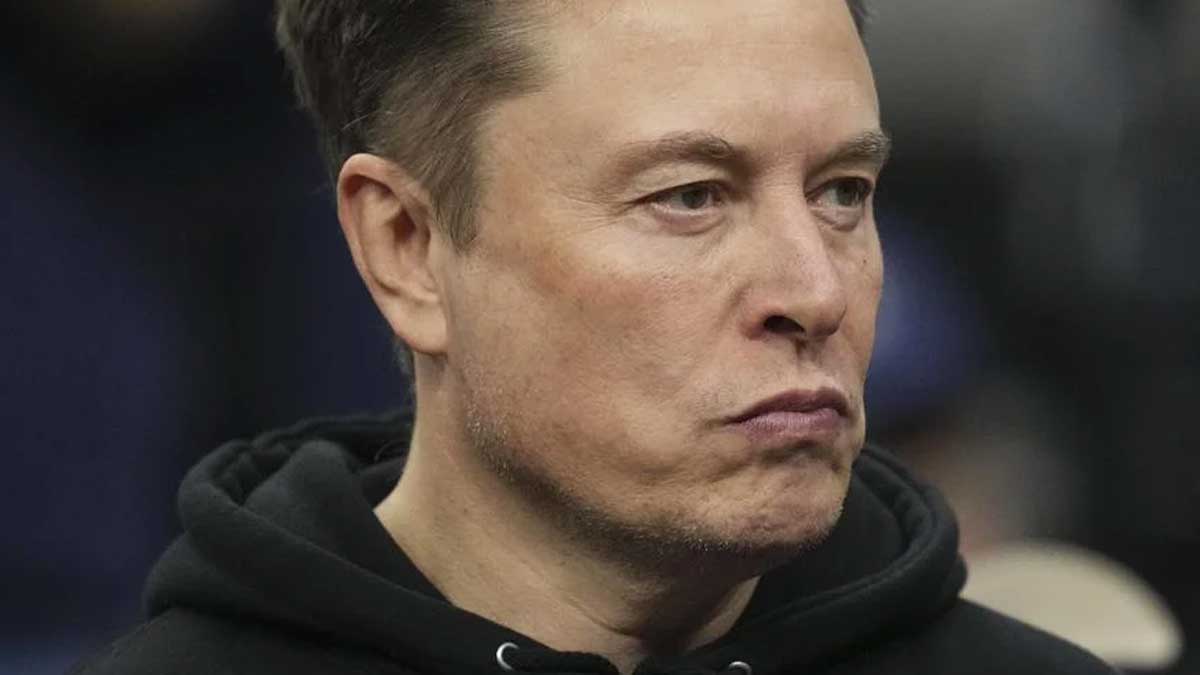
Elon Musk has again dismissed accusations that the dismantling of the U.S. Agency for International Development (USAID) under the Department of Government Efficiency (DOGE) contributed to widespread deaths, while multiple scientific studies and humanitarian organizations continue to warn of severe global consequences linked to the funding cuts.
In a post on X on Sunday, Musk challenged critics by stating they “cannot cite a single name of someone who died out of the ‘millions’ they falsely claim have died. Not a single name!” His comments prompted an immediate response from New York Times columnist Nicholas Kristof, who identified four individuals he said died after USAID-supported services were disrupted, including an eight-year-old girl. Kristof also invited Musk to visit Africa with him, saying he could “talk to these moms and dads, and you’ll see the dying children themselves.”
Musk has consistently rejected claims that reductions in U.S. foreign aid have resulted in deaths. In March 2025, he argued that “no one has died as a result of a brief pause to do a sanity check on foreign aid funding.” Earlier this month, responding to a Verge article titled “The World’s First Trillionaire Is a Killer,” Musk wrote, “If I were, the douchebags at Verge would have been dead long ago.” He also dismissed accusations made by Bill Gates in May 2025 that the aid reductions would cost more than one million children’s lives, calling Gates “a huge liar.”
Humanitarian organizations report that U.S. international aid dropped sharply after USAID’s closure. Refugees International said humanitarian funding declined from $14 billion in 2024 to $3.7 billion in 2025, describing the shutdown of USAID as the most significant factor behind the reduction. Separately, the Center for Global Development estimated USAID spending fell by approximately 58% compared with the previous year.
Several independent studies have projected serious humanitarian consequences from the funding cuts. Research published in March 2025 estimated that one million malnourished children in low- and middle-income countries could lose access to treatment, potentially resulting in about 163,000 child deaths annually. A July 2025 study published in The Lancet projected that more than 14 million people, including over 4.5 million children, could die by 2030 if current reductions continue. Kristof, citing data from the Center for Global Development, also estimated that more than 1.6 million people could die within a year without U.S. support for HIV prevention and treatment. Meanwhile, a public tracker co-created by Boston University professor Brooke Nichols estimated the cuts have already contributed to more than 780,000 deaths, including roughly 518,000 children, through reduced treatment for diseases such as malaria, tuberculosis, HIV and pneumonia.
The issue has also fueled political confrontation. Representative Ro Khanna, D-Calif., recently said on a podcast that Musk “needs to answer” for the millions of children who may have been placed at risk by the dismantling of USAID. Musk responded on X by writing, “Time to sue this liar,” later alleging USAID funding had been diverted to corrupt politicians and accusing Khanna of misconduct without providing evidence.
Claims that USAID broadly funded corrupt politicians have not been supported by widespread evidence. However, previous oversight reports documented limited cases in Afghanistan where humanitarian funds provided through USAID-supported organizations were indirectly transferred to the Taliban. USAID’s inspector general also warned in 2023 that Taliban interference had affected some humanitarian assistance programs.
According to public filings, Musk donated $474 million to charitable causes in 2024, although most of the money went to organizations he controls. His largest contribution, totaling $370 million, went to The Foundation, a nonprofit he established in 2021 to develop and manage a STEM-focused K-12 school. Despite those donations, the foundation reportedly failed to meet the Internal Revenue Service’s annual 5% distribution requirement after also falling short in 2023.
USAID, formerly the U.S. government’s primary international humanitarian and development agency, was dissolved by the Trump administration in early 2025 despite opposition from aid organizations that warned of severe humanitarian consequences. Before its closure, the agency employed more than 10,000 people, managed over $40 billion in appropriations and provided assistance to roughly 130 countries. The agency was later placed under the State Department’s control before Secretary of State Marco Rubio formally announced its closure on July 1, 2025. During the restructuring, Musk described USAID as a “criminal organization” without presenting evidence and wrote that it was time for the agency “to die.”
Musk remains the world’s wealthiest individual, with an estimated net worth of $975 billion as of Monday. Although he briefly became the world’s first trillionaire following SpaceX’s record-setting initial public offering earlier this month, declines in SpaceX shares and new restrictions on his Tesla equity later reduced his fortune below the trillion-dollar mark.






Related Articles
Bill Gates Warns AI Could Cause Mass Death If Misused
Bill Gates has warned that artificial intelligence is powerful enough to contribute...
U.S. and China Discuss AI Safety Alert Mechanism
The United States and China have discussed establishing a new artificial intelligence...
Trump Says CNN, MS NOW and Politico Are Banned From White House
President Donald Trump said Friday that CNN, MS NOW and Politico would...

Trump Threatens EU Tariffs Over Canada Associate Membership Plan
President Donald Trump on Wednesday threatened to impose heavy tariffs on the...
Leave a comment