


Healthy Ways to Relax This Summer Without Drinking Alcohol
 193cc Agency CouncilJuly 6, 20262 Mins read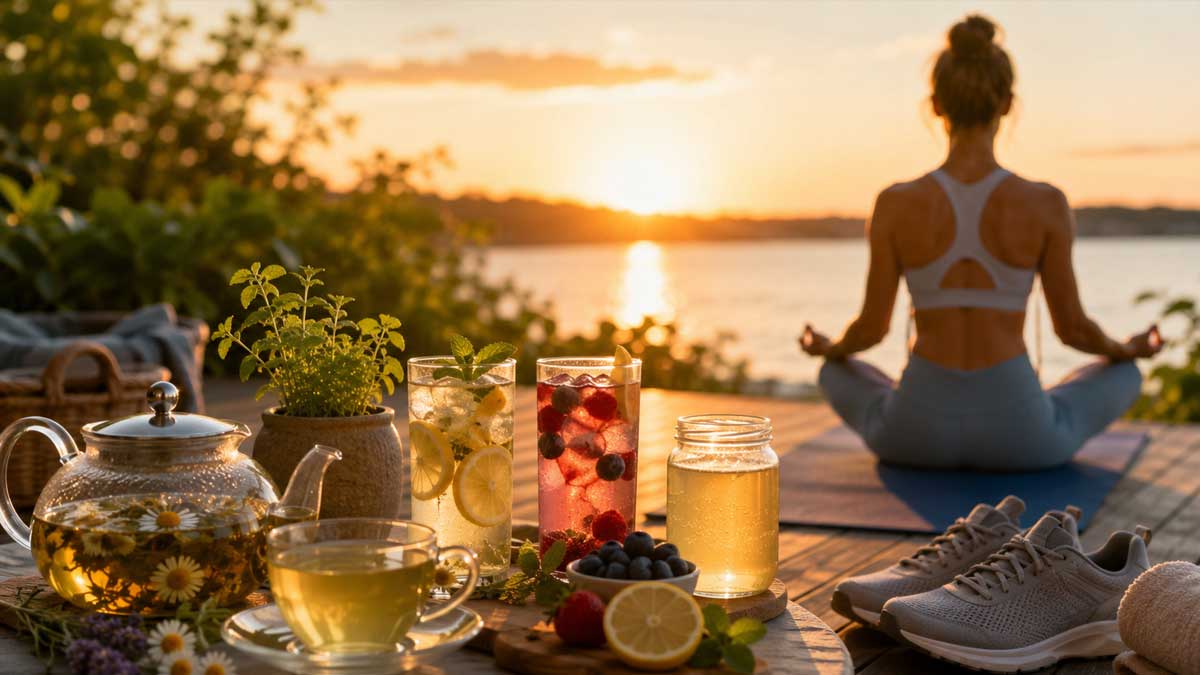
Health experts are encouraging people to rethink the role of alcohol in summer relaxation as growing evidence suggests there is no completely safe level of alcohol consumption. The World Health Organization maintains that health risks begin with the first drink, including for beverages such as red wine, prompting greater interest in alcohol-free ways to unwind and socialize.
The expanding range of non-alcoholic beverages now offers more alternatives than ever before. Herbal teas such as chamomile, lemon balm and lavender can help establish calming bedtime routines, with research linking chamomile to improved sleep quality and reduced anxiety. Functional drinks containing ingredients including L-theanine, ashwagandha, GABA-supporting botanicals and kava are also gaining popularity. While these products are designed to promote relaxation without alcohol, experts note they are not risk-free and recommend reviewing potential interactions with medications or consulting a physician before use.
For those seeking the refreshing experience of a chilled drink, kombucha and botanical beverages such as ginger beer provide a fizzy alternative without ethanol. Some kombucha products also contain probiotics, and early human studies suggest regular consumption may encourage beneficial gut bacteria associated with improved mood and stress regulation.
Physical activity remains one of the most effective evidence-based methods for reducing stress. Exercise stimulates endorphin production while lowering stress hormones such as cortisol. Evening yoga, Zumba and strength-training classes can provide a healthy replacement for traditional happy-hour gatherings, and studies have associated regular yoga practice with lower evening cortisol levels.
Outdoor activities such as hiking, kayaking and stand-up paddleboarding can also promote relaxation during longer summer evenings. Research has shown that spending time near water may reduce anxiety while slowing heart and breathing rates, with the added benefits of light cardiovascular exercise.
Experts also suggest replacing alcohol-centered social events with family-friendly alternatives. Hosting an ice cream social instead of a traditional happy hour preserves the social aspects of summer gatherings without serving alcohol. Physician and bioethicist Ezekiel Emanuel makes a similar argument in his book Eat Your Ice Cream, noting that the greatest health benefit comes from the social connections built through shared experiences rather than the dessert itself.
For evening relaxation, specialists recommend techniques that improve sleep naturally instead of relying on alcohol. Although alcohol may help people fall asleep more quickly, it can disrupt deep and REM sleep, reducing overall sleep quality. Practices such as 10 to 15 minutes of guided meditation or diaphragmatic breathing activate the parasympathetic nervous system, encouraging relaxation while increasing heart-rate variability and slowing breathing.
Progressive muscle relaxation, which involves tightening and releasing muscle groups throughout the body, has also been shown to reduce physical tension and may help people coping with chronic pain or anxiety. Reading a physical book, completing a crossword puzzle or reducing screen time before bed can further improve sleep by limiting exposure to blue light and reducing mental stimulation.
Health professionals say these alcohol-free alternatives allow people to maintain summer traditions while reducing the health risks associated with drinking. Replacing alcoholic beverages with healthier rituals can offer similar feelings of relaxation without negatively affecting sleep, liver health or overall well-being.





Related Articles

OpenAI Math Discovery Sparks New Debate Over GenAI in Medicine
A recent mathematical breakthrough achieved by an OpenAI model is prompting healthcare...
Medicare Push for Wearables Hinges on Health Outcome Data
The growing popularity of wearable health technology may soon translate into broader...
Musk Endorses Mounjaro, Backs Affordable Weight-Loss Drugs
Elon Musk, the CEO of Tesla, made headlines on Christmas Day with...

What Healthcare Can Learn from Nvidia’s Success
The tech industry is undergoing a seismic transformation, with two of its...
Leave a comment