





Medicare Push for Wearables Hinges on Health Outcome Data
 193cc Agency CouncilJune 19, 20263 Mins read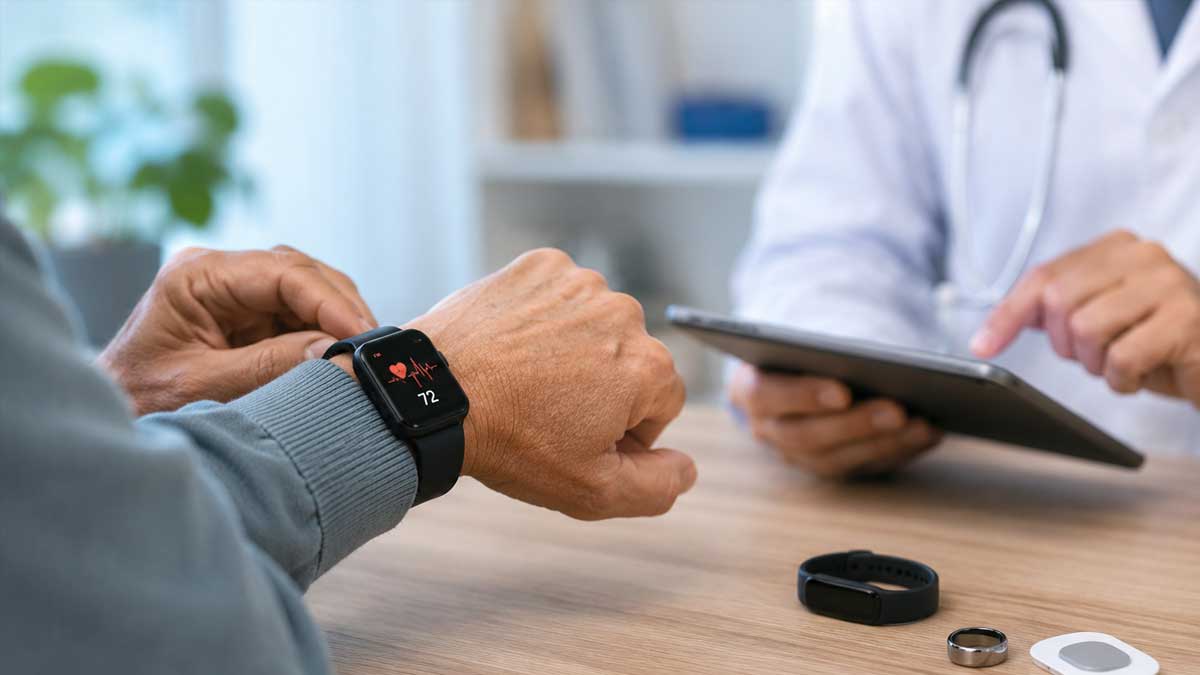
The growing popularity of wearable health technology may soon translate into broader insurance coverage as Medicare launches new initiatives designed to evaluate whether these devices can improve patient outcomes and reduce healthcare costs. While consumer demand for smartwatches, fitness trackers, smart rings and other health-monitoring devices continues to rise, reimbursement from insurers has remained limited because of insufficient clinical evidence supporting their effectiveness.
Wearable health devices are non-invasive technologies worn on the body that collect, monitor and transmit biometric and physiological information. Many of today’s devices also integrate with smartphones and artificial intelligence platforms, allowing users to track a wide range of health metrics. Although some insurers provide coverage for select preventive care programs and chronic disease management, many consumers still pay for these devices themselves due to inconsistent reimbursement policies.
The Centers for Medicare and Medicaid Services (CMS), together with the Food and Drug Administration, has introduced several programs aimed at integrating wearable devices, digital health technologies and coaching applications into Medicare, the federal healthcare program serving seniors and certain individuals with disabilities. Among the most significant efforts is ACCESS, a 10-year demonstration project announced in December that is scheduled to begin next month.
Under the ACCESS program, CMS will provide reimbursement to device manufacturers for approved wearables and digital applications used by Medicare beneficiaries managing conditions such as chronic musculoskeletal pain, depression, diabetes and high blood pressure. However, full reimbursement will depend on measurable improvements in patient health outcomes, increasing the importance of comprehensive data collection and reporting.
The initiative reflects the Trump administration’s broader interest in wearable health technology and evidence-based healthcare innovation. Health and Human Services Secretary Robert F. Kennedy Jr. has made wearable devices a central part of the administration’s Make America Healthy Again agenda, stating that he wants all Americans to be using a health tracker within the next four years.
Continuous glucose monitors, or CGMs, provide a notable example of how clinical evidence can influence coverage decisions. These wearable devices track glucose levels in interstitial fluid and can provide readings at regular intervals or continuously. Kennedy has described CGMs as tools that can help Americans “take control over their own health,” adding that they can “take responsibility” and “begin to make good judgments about their diet, about their physical activity, about the way they live their lives.”
CMS first began covering CGMs for certain Medicare beneficiaries with diabetes in 2017, citing data that indicated improved outcomes for specific patient groups. Coverage initially came with strict eligibility requirements, including frequent daily blood glucose testing. Medicare expanded access in 2023 under the Biden administration, extending eligibility to all insulin users and removing previous testing requirements.
Industry groups and patient advocates are now seeking broader Medicare coverage for individuals with type 2 diabetes who do not use insulin. At present, reimbursement for non-insulin users is generally limited to those with a documented history of severe or problematic hypoglycemia. Supporters argue that emerging evidence suggests these patients may also benefit from CGM technology. Advances in diabetes treatments, including GLP-1 medications such as Ozempic and Mounjaro, may have further enhanced the value of glucose monitoring devices.
Despite enthusiasm from the medical technology industry, questions remain about whether wearable devices deliver consistent economic value across healthcare settings. Researchers examining the clinical and financial impact of wearables have evaluated technologies ranging from respiratory monitors and pedometers to seizure-detection devices, heart-rate monitors, insulin sensors, fall-prevention systems and wearable cardioverter defibrillators.
Their findings suggest that wearables can be cost-effective and, in some cases, may even reduce healthcare spending. However, outcomes vary significantly depending on the device type and the condition being treated. Researchers concluded that additional studies are needed to better understand long-term benefits and strengthen the evidence available to healthcare providers, policymakers and patients.
For insurers, the challenge lies in balancing immediate device costs against uncertain future savings. While some wearable technologies may reduce hospitalizations or improve disease management, others could generate large amounts of data, false alarms and administrative burdens without producing meaningful health improvements. As Medicare expands its focus on wearables, experts suggest that stronger clinical evidence and robust economic data will be essential to securing broader reimbursement. Demonstrating through high-quality studies that wearable devices can lower healthcare spending or reduce hospital admissions could prove decisive in driving future coverage decisions.






Related Articles

Teen Vaping May Increase Nicotine-Seeking Later in Life, Study Finds
Nicotine exposure from vaping during adolescence may have lasting effects on nicotine-seeking...

Moderna Stock Surges 126% After Cancer Vaccine Trial Success
Moderna shares surged more than 120% on Wednesday, sending the biotechnology company’s...

FDA Gives Class I Warning to 1.5 Million Egg Recall
The U.S. Food and Drug Administration has assigned a Class I designation...


FDA Clears First mRNA Flu Vaccine for Adults 50 and Older
The U.S. Food and Drug Administration has approved the nation’s first mRNA-based...
Leave a comment