





EU Clears Paramount’s $110B Warner Bros. Deal Amid U.S. Challenge
 193cc Agency CouncilJuly 23, 20261 Mins read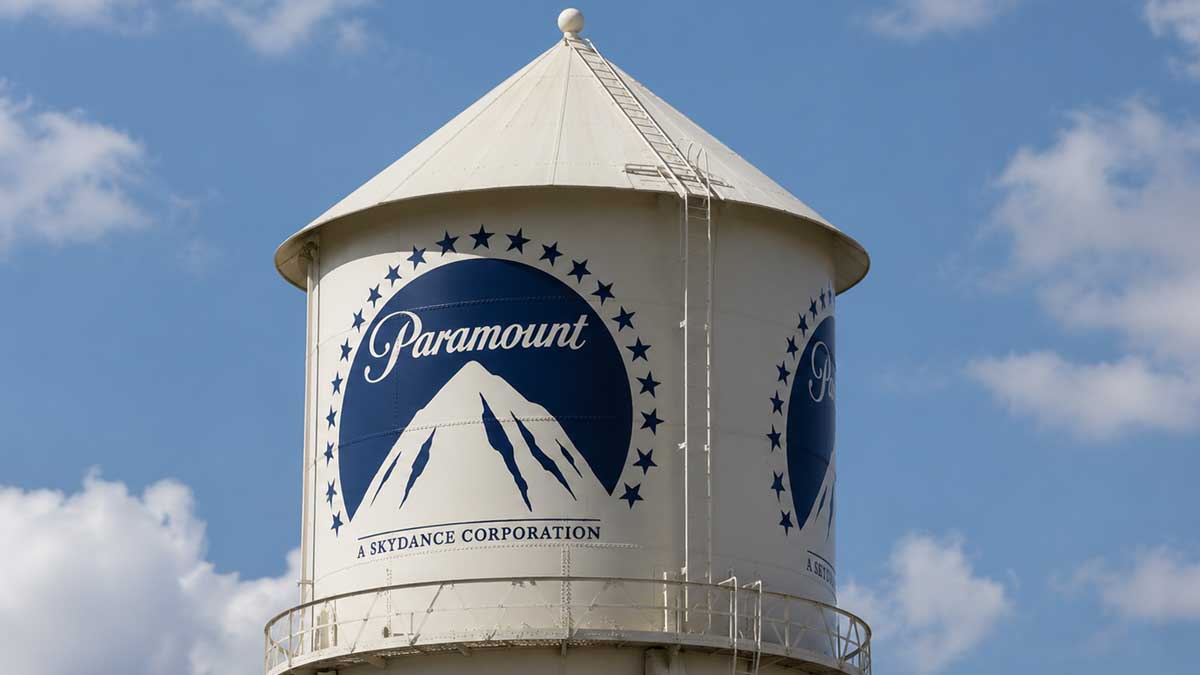
The European Union has approved Paramount Skydance’s proposed $110 billion acquisition of Warner Bros. Discovery, removing a major regulatory obstacle for the transaction even as the merger continues to face legal and antitrust challenges in the United States.
The European Commission announced Wednesday that it cleared the deal after Paramount accepted a series of commitments that regulators said “fully address” competition concerns. As part of those concessions, Paramount agreed to sell its stake in the United International Pictures film distribution joint venture in Europe and pledged not to enter into any film distribution agreement with Universal Pictures in Europe for the next 10 years.
The EU’s approval represents an important step toward completing the merger, although the transaction must still receive authorization from regulators in both the United States and the United Kingdom. The U.K.’s Competition and Markets Authority has said its preliminary antitrust review is expected to conclude by Aug. 7.
The merger remains under legal scrutiny in the U.S. Judge Araceli Martinez-Olguin temporarily halted the transaction on Monday after finding that states challenging the deal had raised “serious questions” about whether it violates antitrust law. A hearing is scheduled for Aug. 3, when the judge could decide whether to extend the block, potentially delaying the merger for an indefinite period while litigation continues.
The financial stakes remain significant if the acquisition is delayed or abandoned. Paramount has agreed to pay Warner Bros. $7 million per day if the transaction is not completed by Sept. 30, totaling roughly $650 million per quarter. The company would also face a $7 billion termination fee if regulatory issues ultimately prevent the deal from closing.
The acquisition was first announced in February after Netflix withdrew its own bid for Warner Bros. Discovery. Since then, the proposal has drawn criticism from multiple groups. Paramount+ subscribers have filed lawsuits claiming the merger could lead to higher subscription prices, while the Writers Guild of America has argued the combination would reduce competition and negatively affect film and television writers. A lawsuit brought by 12 states also contends the merger could contribute to the “decline of theatrical exhibition of films.” Despite those concerns, the U.S. Department of Justice cleared the transaction in June, concluding it was “not likely to result in harm to competition or American consumers.”






Related Articles
Mark Zuckerberg Loses $8.9 Billion as Meta Shares Slide
Mark Zuckerberg’s estimated fortune fell by $8.9 billion on Friday as Meta...

Oura Targets Up to $2.2 Billion in Smart-Ring IPO
Oura is moving ahead with plans to go public, targeting as much...
Warren Buffett Steps Down as Berkshire Hathaway Chairman
Warren Buffett has stepped down as chairman of Berkshire Hathaway, marking another...

Robinhood Stock Drops 5% as Two Employees Face Crypto Fraud Charges
Robinhood shares dropped more than 5% on Wednesday, reaching a two-week low...
Leave a comment