





Meta Child Safety Trial Begins as States Seek Major Penalties
 193cc Agency CouncilAugust 19, 20263 Mins read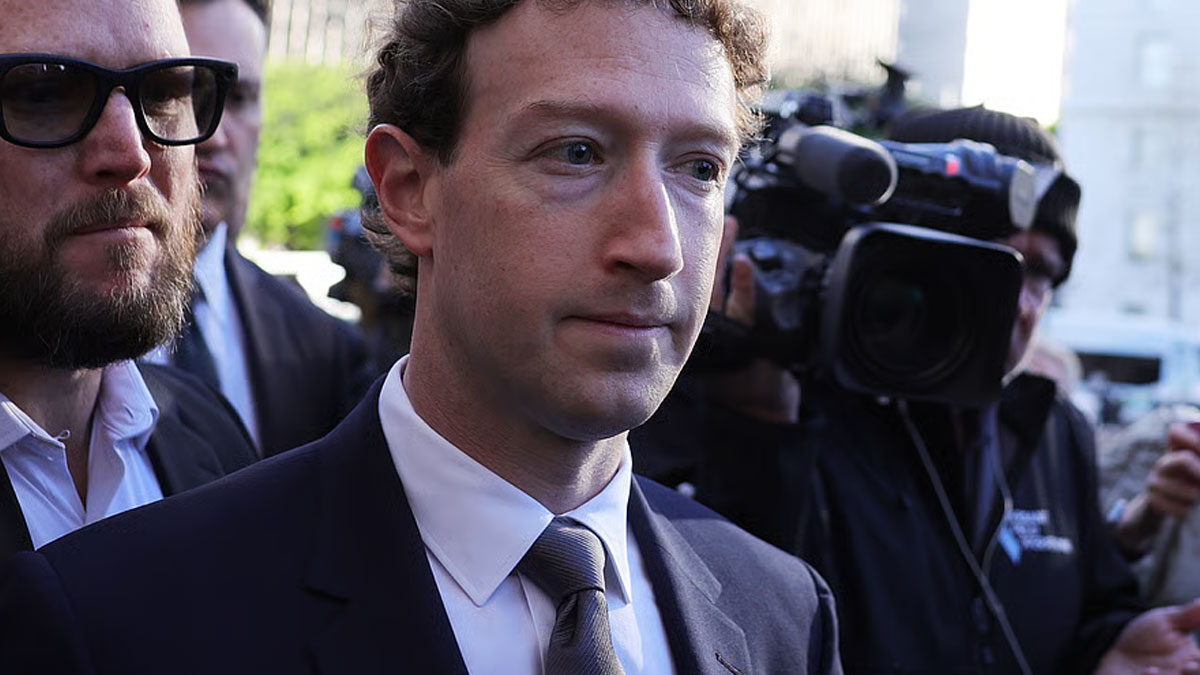
Meta is facing a major legal challenge as opening arguments begin Tuesday in a U.S. District Court for the Northern District of California trial over allegations that Facebook and Instagram were deliberately designed to keep children engaged through addictive features. State attorneys general from California, Colorado, Kentucky and New Jersey are leading the case, one of 29 lawsuits filed by states addressing concerns about Meta’s handling of child safety. The proceedings could expose Meta to substantial financial penalties and force changes to some of the company’s core social media practices.
Kentucky Attorney General Russell Coleman has described the lawsuit as the “largest consumer protection lawsuit in American history.” The states allege that Meta knew its products could harm young people but failed to adequately address those risks because continued growth was more profitable. Prosecutors are expected to argue that Meta intentionally developed features it knew could be harmful to children while presenting its platforms as safe. Meta disputes those claims and is expected to maintain that it has introduced protections for younger users and has been honest with consumers about safety measures.
The states are seeking significant financial damages as well as changes to the way Meta operates its major platforms. State attorneys general have indicated that damages could approach $200 billion, while Meta has argued in court filings that the states’ combined demands could reach approximately $1.4 trillion. Legal experts have questioned whether such a figure is realistic. Cornell Law School professor James Grimmelmann told the Associated Press that damages on that scale “seems extremely unlikely,” noting that an award of that size could push Meta into bankruptcy, eliminate the value held by its owners and effectively leave the states controlling the company.
The lawsuit focuses on a range of features that the states contend were created to exploit vulnerabilities among young users. Those features include Instagram Stories, which disappear after 24 hours, autoplay, visible “like” counts, infinite-scrolling feeds, image filters and personalized recommendation algorithms. The states also allege that Meta’s products encouraged a fear of missing out and were structured to bring young users back to the platforms repeatedly.
Several senior Meta figures could appear as witnesses during the proceedings. Meta co-founder and CEO Mark Zuckerberg is among those expected to testify, with questions potentially covering what the company knew about risks to children, the effects of its platforms on young users and allegations that Meta placed growth ahead of safety. A witness list filed with the court also names Instagram head Adam Mosseri and Meta Chief Financial Officer Susan Li, along with current and former employees involved in research, safety, product development and marketing. Zuckerberg’s estimated fortune was $188.2 billion as of Tuesday, placing him seventh among the world’s richest people.
The trial is projected to run for six to eight weeks. An eight-member jury is expected to issue a recommendation, while Judge Yvonne Gonzalez Rogers will ultimately decide the verdict and any damages. Gonzalez Rogers, who was appointed by former President Barack Obama, has previously overseen major technology litigation, including the 2026 legal battle involving billionaires Elon Musk and Sam Altman.
Meta has rejected the states’ allegations. In a statement published on its website, the company said the child-safety lawsuits “misportray our company and the work we do every day to provide young people with safe, valuable experiences online.” Meta has highlighted its Teen Accounts, which incorporate protections designed to restrict who young users can communicate with and what content they can view across Instagram, Facebook and Messenger.
In a statement issued last week, Meta also criticized the state attorneys general pursuing the case, arguing that their claims are unsupported and that the financial demands are disproportionate. The company said the states had not demonstrated that residents were misled and argued that they were attempting to hold Meta responsible for broader industry problems such as age verification.
The case comes after Meta faced other legal setbacks involving allegations that social media platforms can cause harm through addictive design. In March, Meta and YouTube were found liable in a case brought by a woman who alleged that the companies’ personalized algorithms and infinite-scroll systems contributed to mental health harm. Meta was ordered to pay $4.2 million, while YouTube was ordered to pay $1.8 million.
Meta also faced significant penalties in New Mexico this year. Earlier this month, a judge ordered the company to pay $567 million, following a separate $375 million fine imposed earlier in the year over child-safety issues. The judge additionally barred Meta’s apps from sending push notifications to young users between 10 p.m. and 7 a.m. and ordered restrictions on the amount of time children can spend using the applications.
Meta continues to face thousands of lawsuits across the United States concerning child safety and alleged social media addiction. The company also said in July that its second-quarter 2026 profit had fallen, partly because of higher legal expenses.






Related Articles

Bill Gates Warns AI Could Cause Mass Death If Misused
Bill Gates has warned that artificial intelligence is powerful enough to contribute...

U.S. and China Discuss AI Safety Alert Mechanism
The United States and China have discussed establishing a new artificial intelligence...

Trump Says CNN, MS NOW and Politico Are Banned From White House
President Donald Trump said Friday that CNN, MS NOW and Politico would...


Trump Threatens EU Tariffs Over Canada Associate Membership Plan
President Donald Trump on Wednesday threatened to impose heavy tariffs on the...
Leave a comment