



Trump Says CNN, MS NOW and Politico Are Banned From White House
 193cc Agency CouncilSeptember 19, 20262 Mins read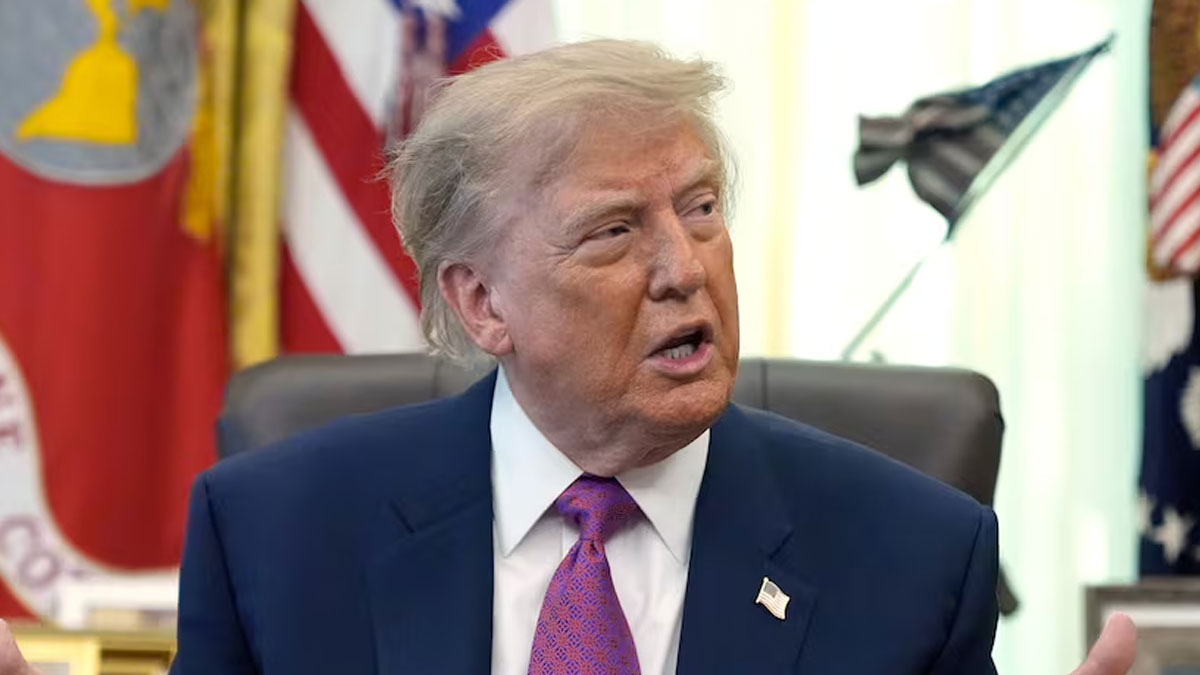
President Donald Trump said Friday that CNN, MS NOW and Politico would be barred from the White House, accusing the outlets of repeatedly publishing what he described as “fake news.” Trump announced the move on Truth Social, saying the restrictions would take effect immediately and suggesting that additional media organizations could face similar action.
In his post, Trump argued that news organizations should not be permitted to report what he characterized as “FICTION and LIES” about the president, his administration or the United States. The announcement adds to a series of disputes between the Trump administration and news organizations over White House press access.
Trump’s latest action follows an earlier decision to restrict access for Associated Press journalists after the news organization declined to adopt his preferred name, “Gulf of America,” for the Gulf of Mexico. The administration has also taken narrower measures involving individual journalists, including preventing a Wall Street Journal reporter from traveling aboard Air Force One after the newspaper published reporting about Trump’s relationship with Jeffrey Epstein.
Despite Trump’s announcement, CNN journalists were still working at the White House on Friday, according to CNN correspondent Brian Stelter. MS NOW also reported that there was no immediate indication that the White House had begun enforcing the announced ban.
Trump later told reporters in the Oval Office that his decision was “cumulative,” rather than a response to a single article. He said he had become tired of seeing what he considered fake news and said he wanted greater “honesty” from the media and a “fair press.”
CNN said it stood behind its White House journalists and their “fair and accurate reporting.” The network said it has a constitutional right to conduct its reporting without government interference and argued that implementing the threatened restriction would constitute an unlawful infringement on that right.
The announcement has raised questions about the First Amendment and the government’s authority to control journalists’ access to the White House. The Associated Press is separately involved in ongoing litigation over its access restrictions. A federal judge previously ordered the White House to restore AP access while the case proceeded, but a federal appeals court later largely reinstated the restrictions, distinguishing between larger White House spaces and more restricted presidential areas.
The dispute comes as Americans remain divided over the state of press freedom. A Pew Research Center survey of U.S. adults conducted June 22-28, 2026, found that 44% said the press had become less free during the Trump administration, while 26% said there had been no change and 12% said the press had become more free. The figures also showed a significant partisan divide, with 15% of Republicans and Republican-leaning adults saying the press had become less free, compared with 72% of Democrats and Democratic-leaning adults.
Trump has maintained a contentious relationship with news organizations for years, frequently criticizing coverage he considers unfavorable. During his second administration, disputes with the media have included restrictions on press access, legal action involving news organizations and conflicts over federal agencies’ relationships with journalists. The latest announcement represents another development in those ongoing disputes.



Related Articles
Trump Threatens EU Tariffs Over Canada Associate Membership Plan
President Donald Trump on Wednesday threatened to impose heavy tariffs on the...
Musk, Zuckerberg And Huang Urged Trump To Reject AI Regulator
Meta CEO Mark Zuckerberg, Elon Musk and Nvidia CEO Jensen Huang reportedly...
Trump Demands 1% Rates After Fed Delivers First Hike in 3 Years
President Donald Trump renewed his demand for sharply lower interest rates on...

Fed Raises Rates to 3.75%-4% as Inflation Stays Above Target
The Federal Reserve raised its benchmark interest rate by a quarter percentage...
Leave a comment