




Magician’s Biden Deepfake Robocall Prompts FCC Ban
 193cc Agency CouncilFebruary 24, 20242 Mins read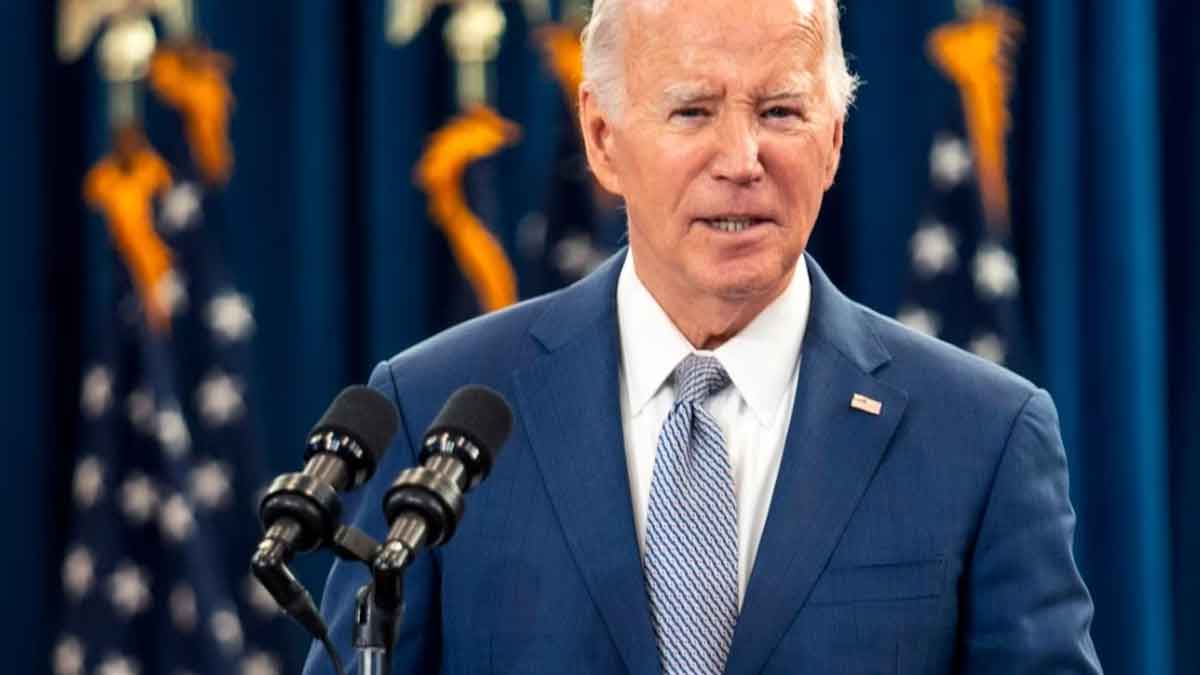
A New Orleans-based magician, Paul Carpenter, has claimed responsibility for creating an AI-generated deepfake recording of Joe Biden, which was sent to voters before the New Hampshire primary on January 23. The recording has sparked a criminal investigation and led to a ban by the FCC on AI-generated robocalls.
Carpenter stated in an interview with NBC News that he was hired by a Democratic political consultant, Steve Kramer, who allegedly paid him $150 from a Venmo account linked to his father. Kramer, a consultant for the presidential campaigns of Dean Phillips and Kanye West, reportedly hired Carpenter to create the robocall but did not distribute it himself.
Using software developed by AI startup ElevenLabs, Carpenter claimed the task took him only 20 minutes. ElevenLabs has since suspended his original account, consistent with a Bloomberg report that the company identified and banned the account responsible.
Kramer has not publicly commented on the allegations but told NBC News that he would publish an op-ed that would “explain all” on Saturday. The Phillips campaign, for which Kramer worked as a consultant for ballot access in New York and Pennsylvania, stated that any actions he took to produce the New Hampshire deepfake were of his own volition. The campaign expressed disgust at the allegations and said they would denounce Kramer’s actions if they were proven true.
Leading up to the New Hampshire primary, an estimated 5,000 to 25,000 residents received a robocall with a voice that sounded like President Biden, urging them to “save their vote” for the general election in November and calling the primary “a bunch of malarkey,” using one of Biden’s famous phrases. The call led to a criminal investigation by the New Hampshire Attorney General’s office, which later traced the calls back to two Texas-based companies: Life Corporation and Lingo Telecom.
The FCC recently issued a unanimous ruling banning the use of AI-generated voices in all robocalls, considering them “artificial voices” under the Telephone Consumer Protection Act. The use of deepfake technology in political campaigns has raised concerns about its potential to mislead voters and undermine the democratic process.
Carpenter has maintained that he only created the recording and played no role in its distribution. He stated that there was no malicious intent and that he did not know how it would be distributed. Carpenter also expressed concern about the ease with which deepfake technology can be used, saying, “It’s so scary that it’s this easy to do. People aren’t ready for it.”
The case highlights the growing challenges posed by AI-generated content in the political arena and the need for regulations to address the potential misuse of such technology.




Related Articles
Xiaomi 18 Pro Max Pushes Into Premium Global Phone Market
Xiaomi is expanding its premium smartphone ambitions beyond China with the Xiaomi...
Epson Launches Three New 4K Laser Home Cinema Projectors
Epson has introduced three new laser-powered home cinema projectors aimed at movie...
Feather Robotics Launches $29,990 Mobile Humanoid Robot
California startup Feather Robotics has emerged from stealth with a $29,990 mobile...

MCHOSE ACE 75 Hall Effect Gaming Keyboard Launches on Kickstarter
MCHOSE has launched its ACE 75, a new 75% Hall Effect gaming...
Leave a comment