





OpenAI’s Sora Faces Rivals from Google and Meta in AI Race
 193cc Agency CouncilFebruary 17, 20241 Mins read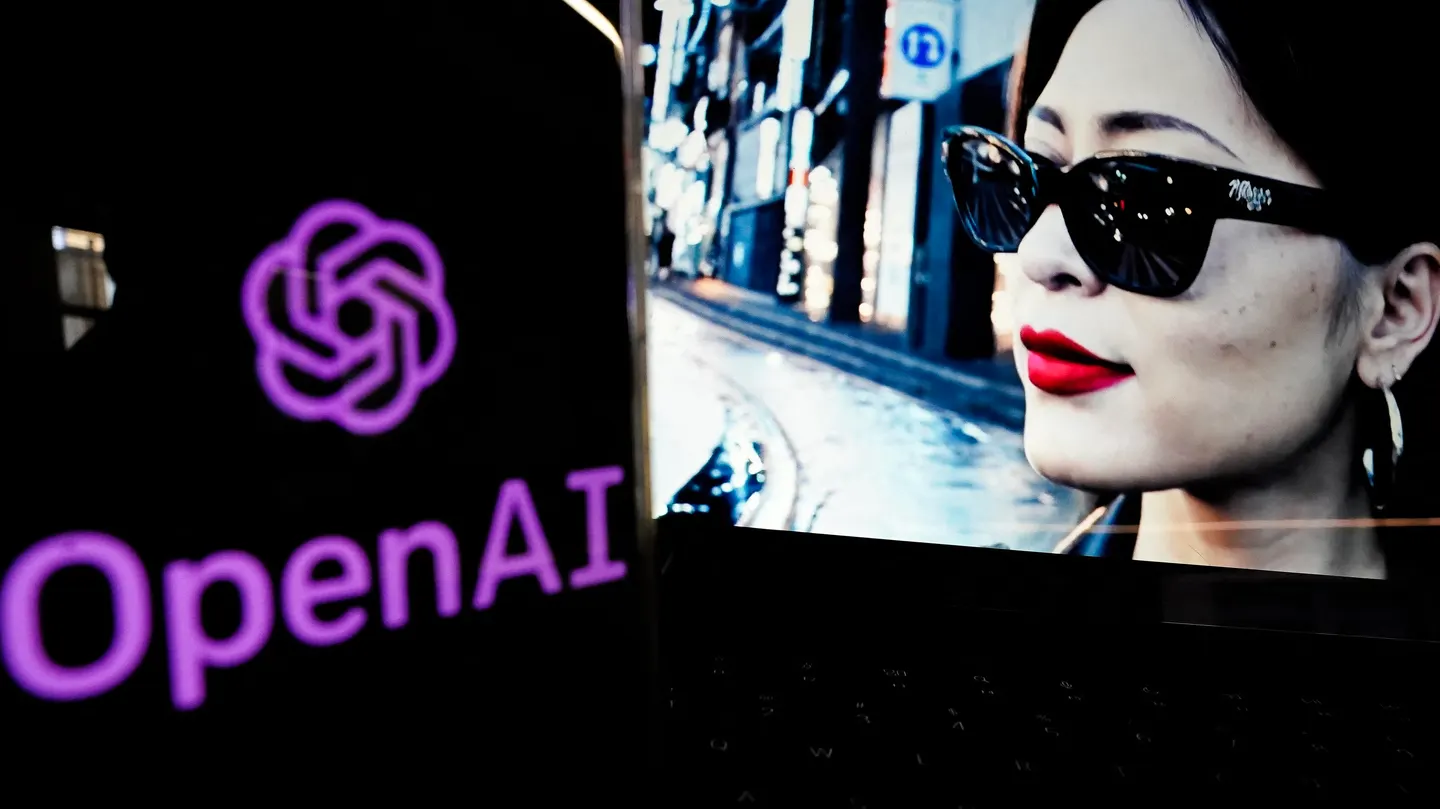
OpenAI’s Sora, a new text-to-video generation tool, has ignited a competitive race in the field of generative artificial intelligence. Developed by Microsoft-backed OpenAI, Sora joins the ranks of other innovative tools like ChatGPT and DALL-E. While Sora promises impressive capabilities, there are concerns about its potential misuse, particularly in the context of spreading disinformation.
Competitors in the AI video generation space are not sitting idly by. Runway, a leading AI video company, recently launched a Gen-2 update to its AI video model, showing readiness to compete with Sora. Stability AI also unveiled its generative video model, Stable Video Diffusion, for research purposes, indicating a growing interest in advancing AI video technologies.
Pika Labs, a new entrant in the field, released its own generative AI video tool, Pika 1.0, and has made it available to the public. Google, on the other hand, showcased research and demo clips from its Lumiere model but has not announced a public release date. Similarly, Meta, the company behind Facebook and Instagram, teased its new text-to-video model, Emu Video, with promising early reviews, but no official release date has been provided.
Elon Musk’s AI startup, xAI, has not announced plans for a text-to-video generator yet, but it’s a possibility for the future. Amazon has also previewed its generative AI chatbot, Q, and an AI image generator, although details about their release are still unknown.
As for Sora, it is not yet available to the public. OpenAI is taking several safety measures before releasing it, including working with experts to address concerns about misinformation, hateful content, and bias. The company has not specified a timeline for its release.
The development of advanced AI video generation tools raises concerns about their potential misuse, especially in spreading misinformation and creating fake content. Social media platforms and tech companies are under increasing pressure to address these risks, particularly in light of upcoming elections. The ability to create realistic and convincing video content poses challenges in detecting and combating fake videos, which have been used to spread misinformation about public figures and political events.
In conclusion, while Sora’s unveiling marks a significant advancement in AI video generation, it also highlights the challenges and responsibilities that come with developing such powerful technologies.





Related Articles

Trump and Xi Offer Diverging Visions for the Future of AI
The United States and China are presenting sharply different approaches to the...

AI ‘Actor’ Tilly Norwood Switches to Cantonese During Interview
AI-generated “actor” Tilly Norwood appeared to unexpectedly switch languages during an interview...
OpenAI Reveals Six New AI Misalignment Incidents
OpenAI has disclosed six cases of unexpected or concerning model behavior observed...


Jensen Huang Says AI Cybersecurity Could Drive New Demand
Nvidia CEO Jensen Huang appeared to dismiss growing concerns about the risks...
Leave a comment