





Climate Change Could Cost Global Economy $38 Trillion a Year
 193cc Agency CouncilApril 18, 20241 Mins read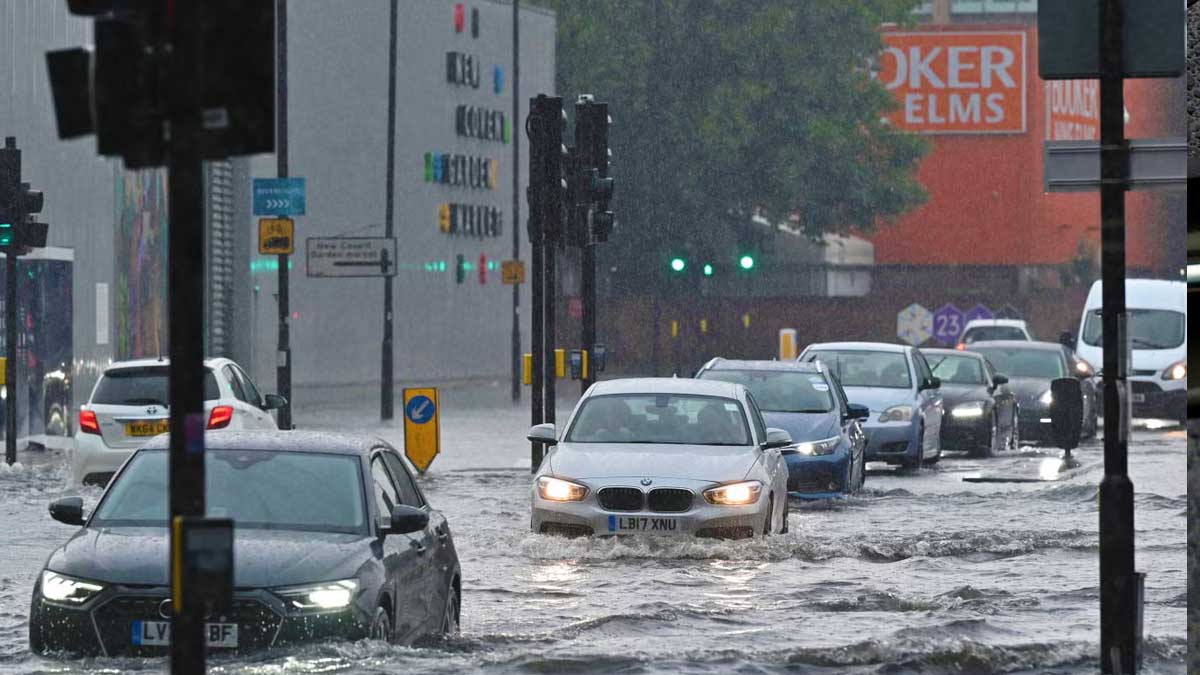
Researchers caution that climate change may impose a staggering $38 trillion yearly toll on the global economy by 2049, with potential damages ranging from $19 trillion to $59 trillion. The findings, published in Nature by researchers from Potsdam and Berlin in Germany, are based on an analysis of climate impact data on over 1,600 regions spanning four decades. This model projects future damages compared to a scenario without human-driven climate change, focusing primarily on temperature and rainfall changes and their effects on agricultural yields, labor productivity, and infrastructure.
The study highlights that the global economy is already set for a 19% income reduction within the next 26 years, irrespective of current actions to address climate change. These costs are likely to increase further when factoring in other costly climate change-driven extremes like weather disasters, storms, and wildfires. The urgency for immediate, substantial action to mitigate climate change is underscored, as failure to do so could result in average global economic losses as high as 60% by 2100.
The costs of inaction compared to taking action on climate change are a major consideration. While transitioning to a greener, more sustainable economy and achieving net zero emissions entail substantial costs and logistical challenges, the study emphasizes that inaction is also costly. The estimated damages already far exceed the financial needs to align with the Paris Climate Agreement’s goals. The $38 trillion in estimated damages is six times greater than the $6 trillion estimated to meet those goals.
Anders Levermann, a study author from the Potsdam Institute, noted the considerable inequity of climate impacts, with tropical countries expected to suffer the most due to their already warmer climates. He highlighted that countries least responsible for climate change, particularly those with fewer resources to adapt, will bear the greatest losses.
The profound inequality in climate impacts has become a significant point of contention in global climate negotiations. Less affluent nations, which have contributed less to climate change, argue that wealthier countries should bear more of the financial burden to cover losses and damages and assist with transitioning to greener energy sources. These issues are expected to be central to negotiations at the COP29 summit in Baku, Azerbaijan, in November.






Related Articles
Bill Gates Warns AI Could Cause Mass Death If Misused
Bill Gates has warned that artificial intelligence is powerful enough to contribute...
U.S. and China Discuss AI Safety Alert Mechanism
The United States and China have discussed establishing a new artificial intelligence...

Trump Says CNN, MS NOW and Politico Are Banned From White House
President Donald Trump said Friday that CNN, MS NOW and Politico would...

Trump Threatens EU Tariffs Over Canada Associate Membership Plan
President Donald Trump on Wednesday threatened to impose heavy tariffs on the...
Leave a comment