



New Legislation Ties TikTok Ban to Foreign Aid
 193cc Agency CouncilApril 19, 20241 Mins read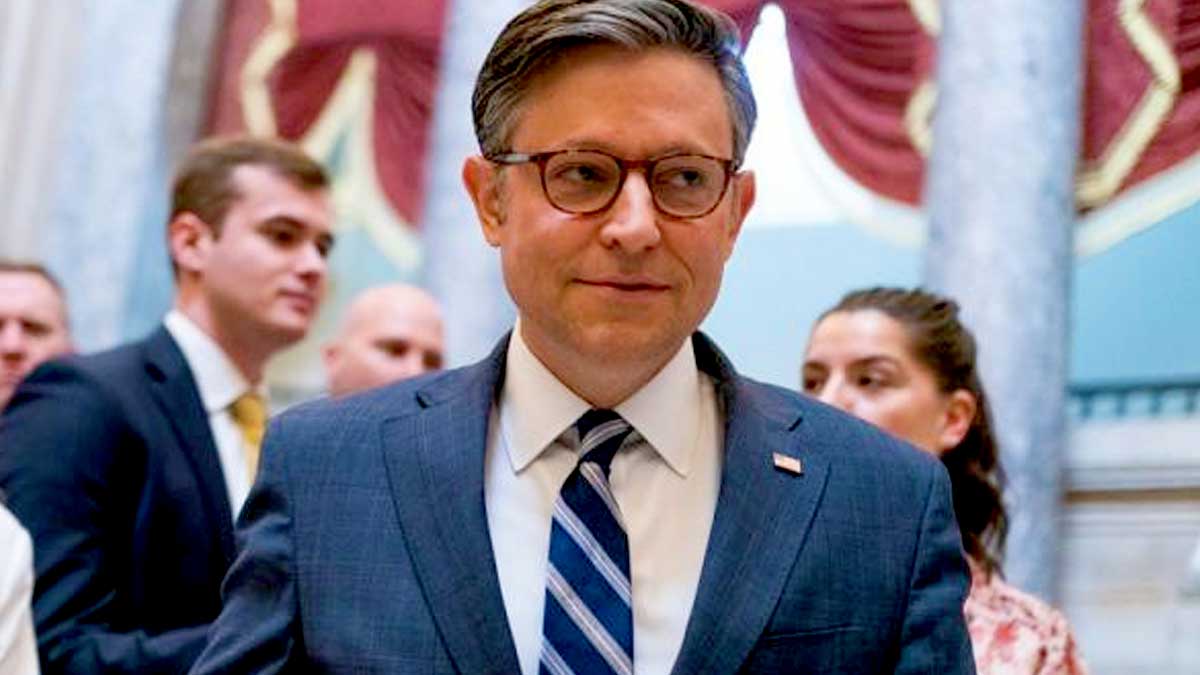
Lawmakers are leveraging a new legislative package that ties aid for Ukraine, Israel, and Taiwan to the controversial goal of banning TikTok in the U.S. The move aims to increase pressure on Senators to support the forced divestment bill, which recently passed the House. Speaker Mike Johnson is spearheading the effort, hoping to secure Senate approval by linking the ban to critical foreign aid.
The revised legislation grants TikTok more time to find a non-Chinese owner, extending the deadline to a year compared to the original six-month window. This change means that any potential ban would be delayed until after the presidential election, preserving TikTok’s role as an election tool.
Despite these adjustments, concerns about the bill’s constitutionality and its potential legal challenges remain among Senators. However, Speaker Johnson is pushing forward with the TikTok bill, especially as tensions between the U.S. and China escalate. The Chinese government has strongly condemned the bill, calling it unfair and anti-competitive.
Recent reports suggest that China has intensified its lobbying efforts against the TikTok ban. Chinese Embassy officials have met with congressional staff, arguing that TikTok’s Chinese origin is the sole reason for the ban. This marks a significant shift from China’s previous stance, which denied any connection between TikTok and the Chinese government.
While TikTok maintains its position that it has no knowledge of these lobbying efforts, Chinese officials seem to be acknowledging TikTok’s ties to China as a reason to oppose the ban. This change in strategy reflects broader concerns among Chinese tech companies facing increased scrutiny in the U.S.
For now, the fate of TikTok remains uncertain, with lawmakers balancing concerns about data protection and national security against broader issues of international trade and diplomacy. As discussions continue, the U.S. remains without a comprehensive data protection law, leaving the door open for further debates and potential regulations in the tech industry.






Related Articles

Stanford Study Finds Experience May Shield Workers From AI Displacement
A new update from Stanford University suggests that artificial intelligence is creating...

Tesco Tests AI That Could Build Your Shopping Basket
Tesco is expanding its use of artificial intelligence from predicting what shoppers...
AI Security Test Reveals Risks of Excessive Agent Access
A recent evaluation by the U.K.’s AI Security Institute (AISI) has highlighted...


IBM Says AI-Powered Cyber Breaches Surge as Attack Costs Climb
Artificial intelligence is playing an increasingly significant role in cybercrime, with IBM’s...
Leave a comment