

Supreme Court Rejects ‘Trump Too Small’ Trademark Bid
 193cc Agency CouncilJune 14, 20241 Mins read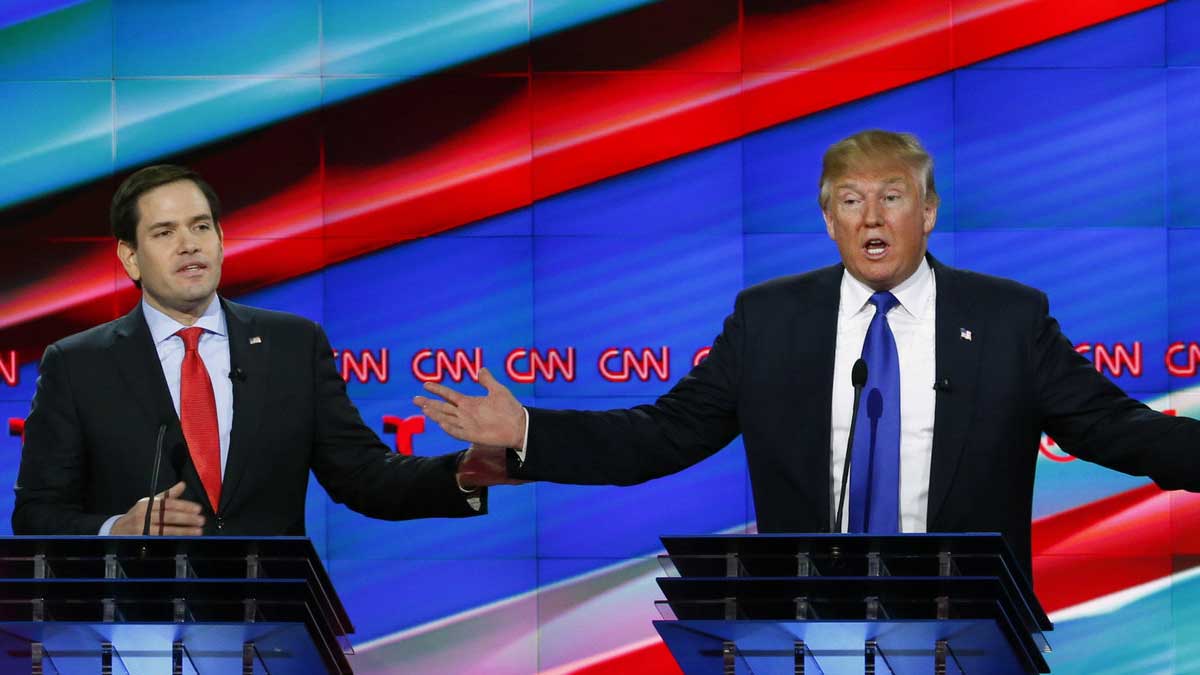
The Supreme Court has ruled against a man seeking to trademark the phrase “Trump Too Small,” stating that a phrase naming a public official cannot be trademarked merely for criticism. Steve Elster, the man behind the challenge, intended to use the phrase on T-shirts criticizing Trump’s political agenda, particularly referencing a comment made by Sen. Marco Rubio during a 2016 presidential debate about the size of Trump’s hands.
The court’s unanimous decision favored the federal government’s rejection of Elster’s trademark application. Federal law prohibits trademarks that consist of or include the name, portrait, or signature of a living individual without their written consent. Elster argued that this law violated his First Amendment rights, asserting that trademarks using names should be allowed for criticism of public officials.
However, the Supreme Court disagreed, with Justice Clarence Thomas writing for the court that preventing trademarks on other people’s names is a longstanding practice that protects their reputation and goodwill. He emphasized that parties do not have a First Amendment right to benefit from another entity’s name recognition.
Justice Sonia Sotomayor, joined by Justices Elena Kagan and Ketanji Brown Jackson, wrote a concurring opinion, disagreeing with the reliance on historical precedent by the conservative justices but still agreeing that Elster lacked a First Amendment right to trademark “Trump Too Small.”
The ruling was clarified to apply narrowly to this specific case, with Thomas noting that it does not establish a broad framework for determining the constitutionality of all content-based but viewpoint-neutral trademark restrictions.
Notably, the Lanham Act, which prohibits trademarking living individuals’ names, also prohibits trademarking anything that names a deceased president without approval from the president’s widow if she is still alive. This means that even after Trump’s passing, “Trump Too Small” could not be trademarked without Melania Trump’s permission.
The case reached the Supreme Court after a lower court initially ruled in Elster’s favor, allowing the trademark. This decision adds to a series of trademark disputes the Supreme Court has addressed in recent years, including the approval of a trademark for a band called “The Slants” in 2017, which overturned a federal statute prohibiting trademarks that “disparage” people. The court also struck down a part of trademark law in 2019 that banned “immoral” or “scandalous” materials and ruled against a dog toy shaped like a bottle of Jack Daniels whiskey labeled “Bad Spaniels” last year.




Related Articles
Bill Gates Warns AI Could Cause Mass Death If Misused
Bill Gates has warned that artificial intelligence is powerful enough to contribute...
U.S. and China Discuss AI Safety Alert Mechanism
The United States and China have discussed establishing a new artificial intelligence...
Trump Says CNN, MS NOW and Politico Are Banned From White House
President Donald Trump said Friday that CNN, MS NOW and Politico would...

Trump Threatens EU Tariffs Over Canada Associate Membership Plan
President Donald Trump on Wednesday threatened to impose heavy tariffs on the...
Leave a comment