





S&P 500 Ends Week Almost Flat Despite Volatility
 193cc Agency CouncilAugust 10, 20242 Mins read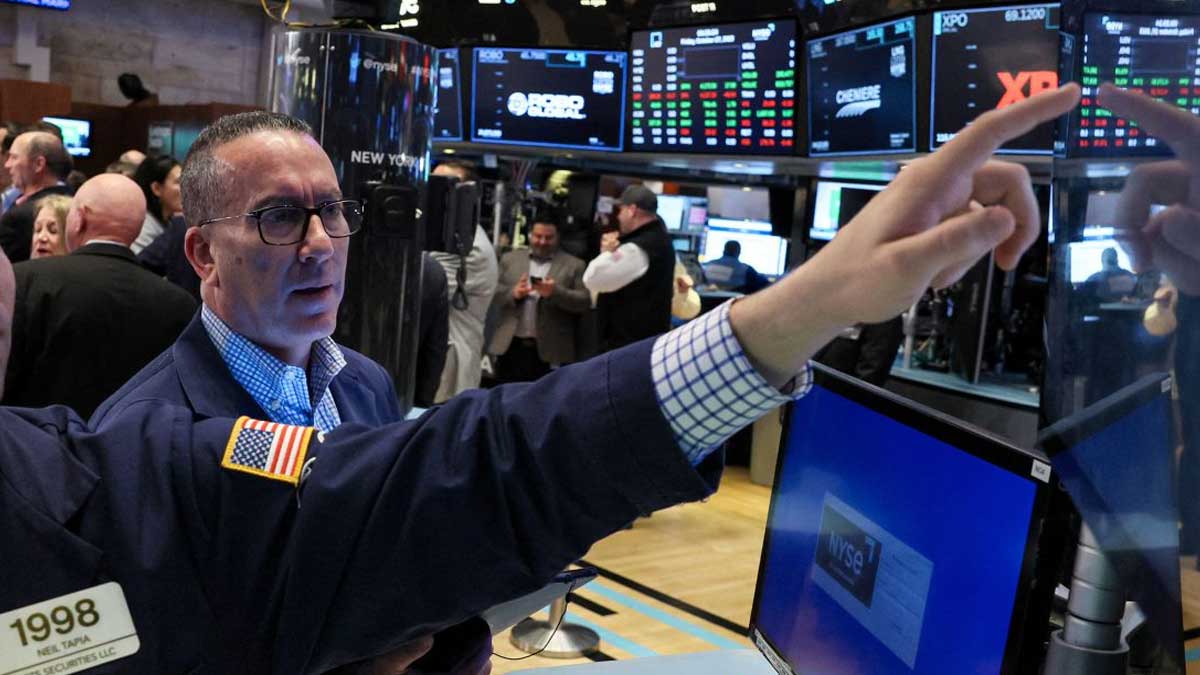
The leading U.S. stock market index ended the week nearly unchanged, masking a tumultuous period for the S&P 500. The index experienced its best and worst days in the past 18 months, highlighting the stock market’s unpredictable nature. Despite gaining 0.5% on Friday, the S&P closed the first week of August down 0.05%, dipping slightly from 5,346.56 to 5,344.16.
In a broader context, the S&P 500 recorded its fourth week in the past two years with less than a 0.1% weekly movement. However, this stability belied significant volatility throughout the week. On Monday, the S&P 500 plunged 3% due to global concerns over a potential market crash, exacerbated by worse-than-expected U.S. monthly unemployment figures. This led Wall Street’s “fear gauge” to spike briefly to levels not seen since March 2020. The market quickly rebounded, though, as subsequent employment data eased fears of an imminent recession.
“Investors have become quite reactive following a strong and steady period for the market,” said Mark Hackett, Nationwide’s head of investment research, in an email statement. The other two major American equity indexes, the Dow Jones Industrial Average and the Nasdaq Composite, also recovered most of their weekly losses. The Dow, which is heavily weighted with large-cap stocks, ended the week down 0.2%. Meanwhile, the tech-focused Nasdaq experienced a 0.6% weekly loss.
“Market narratives can change quickly, but they are not always right,” wrote Raymond James’ Chief Investment Officer Larry Adam in a note to clients, addressing the recent fluctuations in the stock market. Last Friday’s jobs report spurred recession fears due to the Sahm indicator, which tracks changes in the unemployment rate. Additionally, concerns about the historically conservative Bank of Japan potentially raising interest rates to stabilize the yen contributed to the market’s abrupt decline, with fears of long-term impacts. Despite the recent recovery, stock indexes worldwide remain lower than their all-time highs set earlier this year. Europe’s Stoxx index is down 5% from its peak in May, the S&P 500 is down 6% from its July high, and Japan’s Nikkei is down 17% from its July peak.
While the current situation does not warrant declaring victory over recession fears—Goldman Sachs and JPMorgan Chase estimate a 25% or higher chance of a U.S. recession within the next year—further declines in stock values could still be on the horizon. Historically, stocks often decline before experiencing long-term gains. Between 1928 and 2019, the S&P 500 faced an average annual drawdown of 16%, according to Bespoke Investment Group. This year’s drawdown, at 8.5%, is relatively moderate and does not signal alarm bells. “While sell-offs are never comfortable, this year has been relatively calm from a historical perspective,” Adam observed.






Related Articles

Mark Zuckerberg Loses $8.9 Billion as Meta Shares Slide
Mark Zuckerberg’s estimated fortune fell by $8.9 billion on Friday as Meta...

Oura Targets Up to $2.2 Billion in Smart-Ring IPO
Oura is moving ahead with plans to go public, targeting as much...
Warren Buffett Steps Down as Berkshire Hathaway Chairman
Warren Buffett has stepped down as chairman of Berkshire Hathaway, marking another...


Robinhood Stock Drops 5% as Two Employees Face Crypto Fraud Charges
Robinhood shares dropped more than 5% on Wednesday, reaching a two-week low...
Leave a comment