





Toyota Bets on Electric Corolla as EV Race Intensifies
 193cc Agency CouncilJuly 27, 20262 Mins read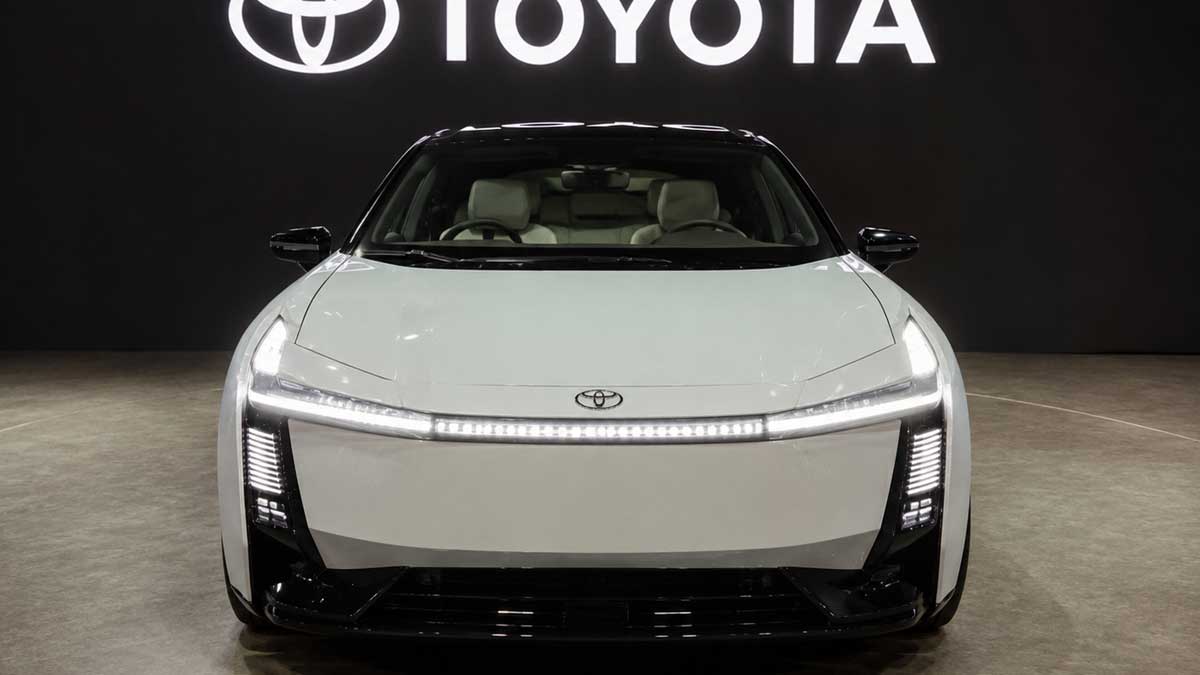
Toyota is preparing for a major shift in its electric vehicle strategy as Chairman Akio Toyoda acknowledges the company must adapt more quickly to a rapidly changing automotive industry. Long recognized for its philosophy of gradual improvement and leadership in hybrid technology, the world’s largest automaker now says its traditional approach is no longer enough to compete with disruptive rivals such as Tesla and fast-growing Chinese electric vehicle manufacturers.
Speaking to NHK in comments reported by Electrek, Toyoda said there is “a considerable sense of crisis in the company,” reflecting growing recognition that the pace of change in the global auto market has accelerated beyond what many established manufacturers anticipated. That urgency is expected to be reflected in Toyota’s next-generation all-electric Corolla, a model that could become one of the company’s most significant vehicle launches in decades.
An electric Corolla would represent more than the introduction of another battery-powered vehicle. It would demonstrate Toyota’s commitment to transforming one of the most recognizable and successful nameplates in automotive history as it seeks to compete with Tesla and Chinese manufacturers including BYD, Geely, GWM, Chery and SAIC. For a company historically known for cautious decision-making, such a move would mark a notable strategic shift.
Toyota has consistently maintained that achieving carbon neutrality requires multiple technologies rather than relying solely on battery-electric vehicles. The company continues investing in hybrids, plug-in hybrids, hydrogen fuel-cell vehicles and fully electric models. That diversified strategy has delivered strong commercial results, with hybrid demand remaining robust even as several competitors face slowing EV sales.
In North America during 2025, Toyota sold more than 1.18 million hybrid and electrified vehicles, accounting for over half of its total sales. Models such as the RAV4 Hybrid and Camry Hybrid have led demand, driven by lower fuel consumption, established reliability, widespread availability and the convenience of avoiding dependence on charging infrastructure.
Despite those achievements, Toyota recognizes that the competitive landscape is evolving. Tesla has reshaped customer expectations through software-focused vehicles, over-the-air updates, rapid charging capabilities, charging infrastructure and direct-to-consumer sales. At the same time, Chinese automakers have reduced vehicle development timelines to as little as 24 months while producing increasingly advanced electric vehicles at highly competitive prices.
The Corolla name carries exceptional importance within Toyota’s lineup. Since its introduction in 1966, more than 50 million Corollas have been sold globally, making it the best-selling automobile nameplate in history. Its reputation has been built on affordability, durability and reliability, qualities that have attracted generations of buyers worldwide.
Converting such an iconic model into a next-generation electric vehicle reflects changing consumer priorities. Today’s buyers increasingly evaluate vehicles based on software features, digital connectivity, charging convenience, performance, continuous software updates and pricing alongside traditional measures such as reliability and efficiency. These are areas where newer competitors have established strong positions.
Toyoda’s public acknowledgment of internal concern also stands out because Japanese automakers have traditionally avoided discussing corporate challenges openly. His remarks suggest Toyota’s leadership recognizes that maintaining its market position will require faster product development, quicker decision-making and greater organizational flexibility in addition to technological advances.
Toyota is expected to preserve the core strengths that have defined the Corolla, including reliability, efficiency and durability. However, future success will also depend on delivering competitive driving range, faster charging, advanced driver-assistance systems, intuitive software and attractive pricing while maintaining the company’s reputation for quality.
The upcoming Corolla EV is therefore expected to represent more than a new product launch. It will serve as a key measure of whether Toyota can successfully transform one of the industry’s most iconic vehicles and strengthen its position in the rapidly evolving electric vehicle market.




Related Articles
Kia EV2 Review: Affordable Electric SUV Targets 275-Mile Range
Kia is targeting the growing affordable electric SUV market with the new...
Aventon Current eMTB Brings 750W Power and Full Suspension
Aventon has expanded its electric mountain bike lineup with the new Current,...
2027 Kia Telluride Turbo Hybrid Brings Power and Luxury Value
The 2027 Kia Telluride Turbo Hybrid marks a major step forward for...

Ducati Streetfighter V2 Delivers 120 HP in a Lighter Package
The 2025 Ducati Streetfighter V2 combines the performance-focused hardware of Ducati’s Panigale...
Leave a comment