





Democratic States Vow Legal Fight After Supreme Court Mail Voting Ruling
 193cc Agency CouncilAugust 25, 20262 Mins read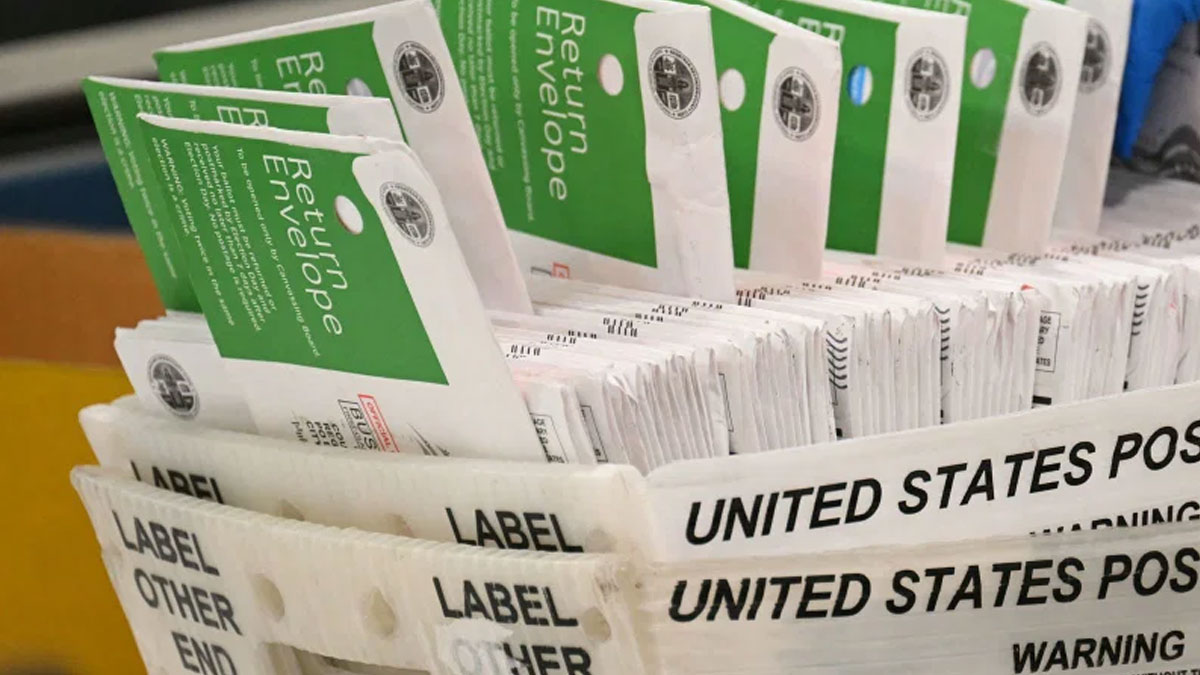
Democratic-led states are signaling that their legal battle against the Trump administration’s efforts to restrict mail-in voting will continue after the Supreme Court temporarily cleared the way for the administration to move forward with parts of its election-related executive order. The court’s emergency ruling lifted a lower-court injunction but did not determine whether the administration’s actions are ultimately lawful.
New York Attorney General Letitia James called the decision a “painful setback” but said it was not the “final word.” She said the “fight is far from over” and that New York was considering its legal options following the ruling.
California Attorney General Rob Bonta said the Supreme Court decision had “reopened the door” for the Trump administration to make voting more difficult for Americans. He emphasized that the justices had not ruled on the underlying merits of the case and argued that the Constitution does not give the president authority over how states administer their elections. Bonta said California would continue opposing what he described as unlawful federal overreach.
Washington Attorney General Nick Brown also criticized the Supreme Court’s conservative majority, arguing that it appeared not to recognize the seriousness of the threat posed by the administration’s actions to democracy. At the same time, Brown stressed that the ruling did not validate the substance of the president’s actions and said Washington was prepared to act to protect election integrity and challenge what he called clearly unconstitutional federal overreach.
Arizona Attorney General Kris Mayes characterized the Supreme Court’s decision as “procedural” and reiterated the position that states, rather than the Postal Service or the president, have authority over the administration of their elections.
Other Democratic officials also vowed to continue challenging the administration. California Gov. Gavin Newsom said the ruling allowed the Trump administration, at least for now, to proceed with its plan and said California would sue again to block the rules. Pennsylvania Gov. Josh Shapiro said the decision did not address the substance of Trump’s executive order and did not mean the administration’s attempt to restrict mail-in voting would ultimately succeed. He said Pennsylvania would continue fighting the administration in court.
New York Gov. Kathy Hochul similarly argued that the ruling did not alter the principle that Trump cannot change election law or suppress voting rights through an executive action. Senate Minority Leader Chuck Schumer of New York sharply criticized the decision, accusing the administration of attempting to use the Postal Service to suppress voting and saying Senate Democrats would oppose efforts to change mail-in voting rules before the November midterm elections.
The Supreme Court ruled 6-3 in favor of the Trump administration’s appeal, allowing a lower court injunction to be lifted. That injunction had prevented federal agencies, including the U.S. Postal Service and the Department of Homeland Security, from implementing portions of Trump’s March executive order. The conservative majority made clear, however, that its ruling did not establish that every measure the government might take under the order would be lawful. The majority said that question would be determined later, leaving the possibility of additional legal challenges.
The court’s three liberal justices dissented, arguing that the decision would unnecessarily create uncertainty and disruption ahead of the upcoming midterm elections.
The president had not commented on the Supreme Court decision or the Democratic response as of the time of the report. The development follows a new rule finalized by the U.S. Postal Service the previous week that would permit mail-in ballots to be sent only to voters whose information had been provided to the federal government. The rule, based on Trump’s March executive order, requires state and local election officials to submit voters’ names and addresses through a new USPS portal, after which the Postal Service would send ballots only to voters whose information had been submitted by their states.






Related Articles

Bill Gates Warns AI Could Cause Mass Death If Misused
Bill Gates has warned that artificial intelligence is powerful enough to contribute...
U.S. and China Discuss AI Safety Alert Mechanism
The United States and China have discussed establishing a new artificial intelligence...
Trump Says CNN, MS NOW and Politico Are Banned From White House
President Donald Trump said Friday that CNN, MS NOW and Politico would...

Trump Threatens EU Tariffs Over Canada Associate Membership Plan
President Donald Trump on Wednesday threatened to impose heavy tariffs on the...
Leave a comment