



Fed Chair Kevin Warsh Warns Inflation Remains Too High
 193cc Agency CouncilAugust 29, 20262 Mins read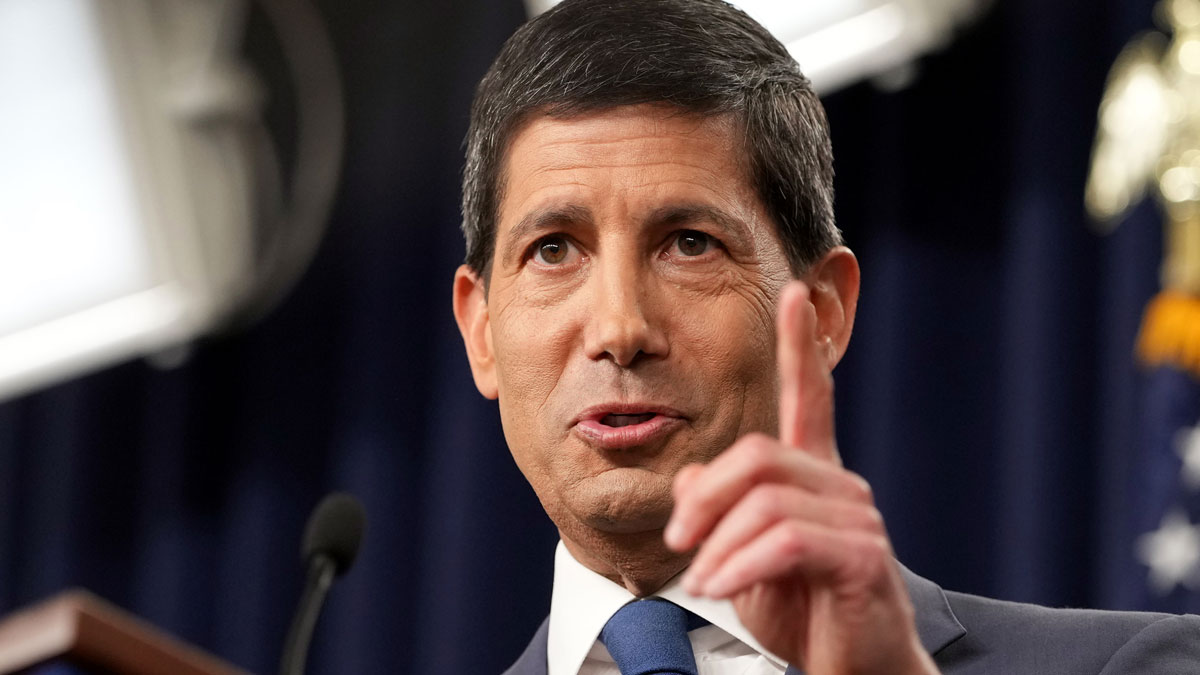
Federal Reserve Chair Kevin Warsh warned Friday that inflation remains too elevated in his first speech at the central bank’s annual symposium in Jackson Hole, Wyoming. He also called for a “quieter” Federal Reserve as policymakers navigate the economy and financial markets.
Speaking at his first-ever Jackson Hole gathering, Warsh said recent inflation data had come in “better than expected,” but he cautioned that the figures did not show a meaningful improvement in underlying inflation trends.
The latest reading of the Federal Reserve’s preferred inflation gauge showed annual consumer-price growth at 3.3% in July. That was higher than Wall Street’s expectation of a modest decline to 3.2%, indicating that price pressures have not yet eased as much as policymakers would like.
Warsh also argued that the Fed should adopt a less market-focused approach. He said the central bank “plays an essential role in the economy and the markets” and acknowledged that its “tools are powerful,” while investors will naturally try to predict its next moves.
However, Warsh said the Fed “should not indulge a regime in which market participants are looking primarily to the Fed for their next trade.” His call for a “quieter” central bank reflects his view that monetary policy should not become the primary focus of financial-market participants.
“We must be confident that underlying inflation is moving to our objective, clearly and at sufficient speed,” Warsh said. “Otherwise, we have work to do.”
Warsh also raised the possibility of changing how frequently the Federal Open Market Committee meets. During the Fed’s July meeting, he proposed reducing the number of scheduled meetings from eight to six annually, with interest-rate decisions taking place “roughly every two months.” He said the change could give officials more time to examine strategic monetary-policy questions and review additional economic data. No decision was reached during the July meeting, although Warsh sought feedback from fellow policymakers.
Inflation had accelerated during the U.S.-Iran conflict, with consumer prices recording their fastest annual increase in years in May before easing by July. Fed officials have repeatedly warned that inflation has not made sufficient progress. In April, policymakers said there was an “increased risk” that inflation could take longer than previously anticipated to return to the central bank’s 2% target.
Warsh has made lowering inflation a central objective, saying he wants the “inflation surge of the last five years” to become “a thing of the past.” He has also said the Fed has “no tolerance for persistently elevated inflation” and that getting policy “right” would help bring price growth lower.
Several Fed officials have indicated that additional interest-rate increases would “likely be necessary” if inflation fails to decline. Some policymakers have also described their inflation outlooks as “highly uncertain,” with the conflict in the Middle East continuing to “cloud” their economic projections.





Related Articles

Bill Gates Warns AI Could Cause Mass Death If Misused
Bill Gates has warned that artificial intelligence is powerful enough to contribute...
U.S. and China Discuss AI Safety Alert Mechanism
The United States and China have discussed establishing a new artificial intelligence...
Trump Says CNN, MS NOW and Politico Are Banned From White House
President Donald Trump said Friday that CNN, MS NOW and Politico would...

Trump Threatens EU Tariffs Over Canada Associate Membership Plan
President Donald Trump on Wednesday threatened to impose heavy tariffs on the...
Leave a comment