





Garmin Fenix 9 Launches With Brighter OLED and 64GB Storage
 193cc Agency CouncilAugust 25, 20262 Mins read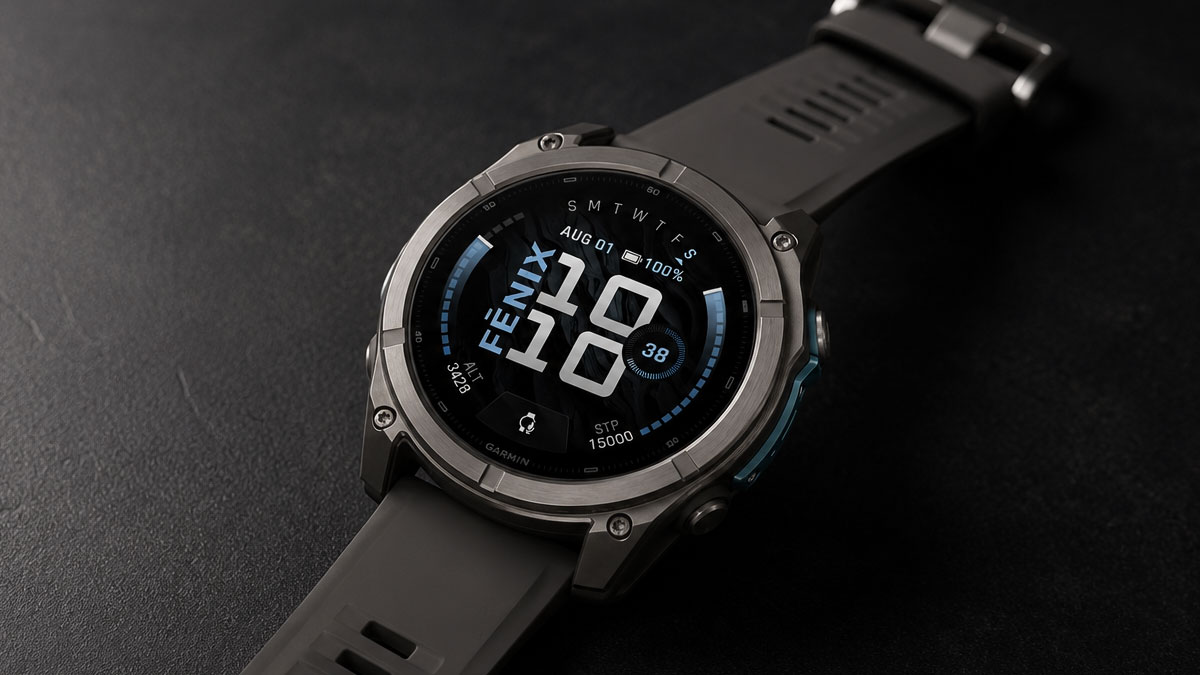
Garmin has unveiled the Fenix 9, the newest generation of its flagship adventure and running smartwatch lineup, with a starting price of $999.99. The range includes standard, Pro and Pro Solar models, with orders opening Aug. 28.
The Fenix 9 family includes a large number of configurations, with 16 versions before accounting for different finishes. The most notable upgrades include brighter OLED displays, expanded storage, increased RAM, titanium construction and optional satellite connectivity on Pro models.
The OLED versions of the Fenix 9 can reach up to 3,000 nits of brightness, a substantial increase from the Fenix 8 series, which was rated for up to 1,000 nits. Garmin has not introduced a new microLED model with the Fenix 9, unlike the Fenix 8 Pro lineup. The previous microLED Fenix 8 Pro could reach 4,500 nits.
Garmin is continuing to offer solar charging through the Fenix 9 Pro Solar models, which use MIP displays rather than OLED panels. MIP screens are designed to become easier to read in bright surroundings and remain the only display technology in the lineup compatible with Garmin’s solar charging system.
The Fenix 9 Pro Solar comes in 47mm and 51mm sizes and offers the longest battery performance in the Fenix 9 range when exposed to sufficient direct sunlight. Garmin rates the 47mm model for up to 34 days of use with solar charging, while the 51mm version can reach up to 57 days. Those figures remain below the Garmin Enduro 3’s claimed maximum of 90 days.
Titanium is now used across the Fenix 9 family, replacing the part-stainless-steel construction found on some Fenix 8 models. The amount of fiber-reinforced polymer differs between versions. The lighter construction can reduce overall weight, potentially improving comfort and the consistency of heart-rate readings.
The standard Fenix 9 combines titanium with fiber-reinforced polymer, including plastic side walls alongside a metal bezel and rear plate. The Fenix 9 Pro uses titanium for its main components. That difference produces modest weight variations, particularly in the largest 51mm models. The 43mm Fenix 9 weighs 44 grams compared with 45 grams for the 43mm Pro, while the 47mm versions weigh 53 grams and 56 grams, respectively. At 51mm, the standard model weighs 63 grams and the Pro reaches 73 grams, excluding the strap.
U.S. pricing starts at $999.99 for both the 43mm and 47mm standard Fenix 9. The 43mm and 47mm Fenix 9 Pro models cost $1,099.99, while the 47mm Pro Solar is also priced at $1,099.99. The 51mm Fenix 9 starts at $1,099.99, with the 51mm Pro and Pro Solar each priced at $1,199.99. All Pro versions can be configured with InReach satellite connectivity for an additional $100.
InReach connectivity is exclusive to the Pro variants and requires a separate subscription starting at $7.99 per month. The technology supports LTE and satellite messaging without a connected phone, LTE calls and SOS alerts in remote areas.
Garmin has also doubled built-in storage from the 32GB commonly offered on the Fenix 8 and other recent high-end Garmin watches to 64GB. The additional space provides more capacity for on-device maps and music. Garmin has increased RAM as well and says the extra memory is intended to improve map navigation speeds.
The Fenix 9 also introduces several software changes. Garmin Epic allows users to combine activities recorded across several days, weeks or months into a shareable collection containing photos, health information and performance data. The feature is aimed at activities such as walking holidays and longer adventure trips.
Indoor rowing has also received additional training insights, including VO2 Max and power-curve information, designed to help users track progress, establish goals and adjust workout intensity.
The Garmin Fenix 9 series will be available to order beginning Aug. 28.






Related Articles

Xiaomi 18 Pro Max Pushes Into Premium Global Phone Market
Xiaomi is expanding its premium smartphone ambitions beyond China with the Xiaomi...
Epson Launches Three New 4K Laser Home Cinema Projectors
Epson has introduced three new laser-powered home cinema projectors aimed at movie...

Feather Robotics Launches $29,990 Mobile Humanoid Robot
California startup Feather Robotics has emerged from stealth with a $29,990 mobile...

MCHOSE ACE 75 Hall Effect Gaming Keyboard Launches on Kickstarter
MCHOSE has launched its ACE 75, a new 75% Hall Effect gaming...
Leave a comment