





Nebius Blackwell Auctions Reveal Surging Demand for AI Compute
 193cc Agency CouncilAugust 14, 20262 Mins read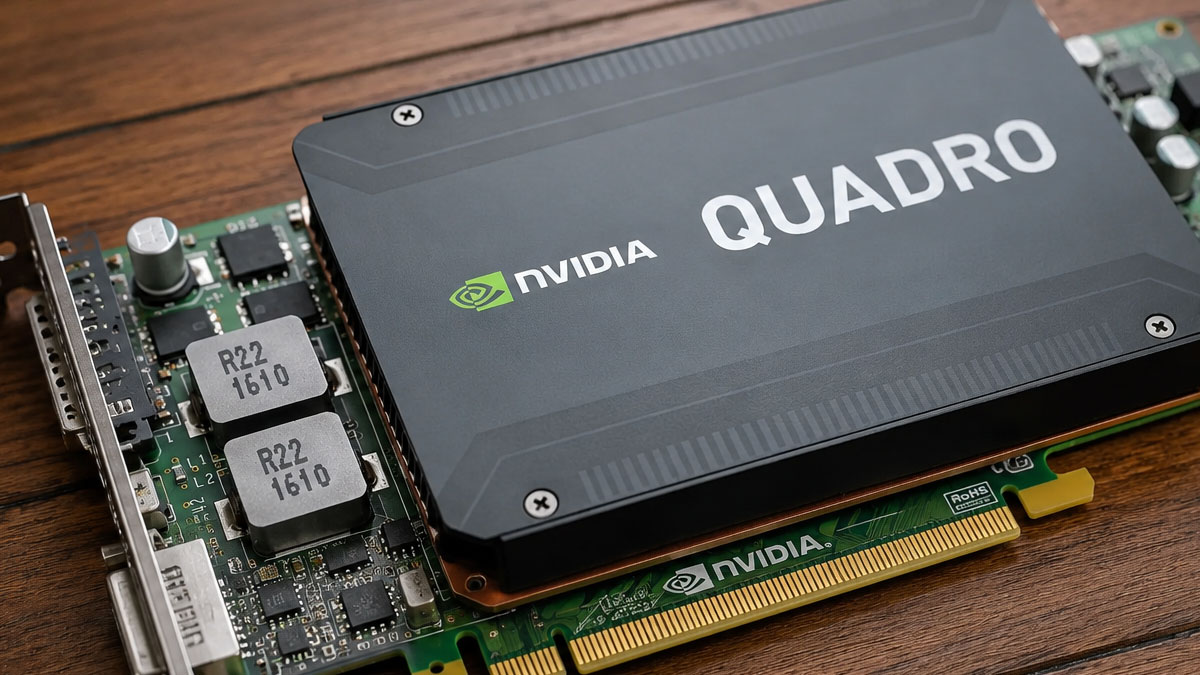
Demand for Nvidia-powered computing is showing little sign of easing, with Nebius reporting exceptionally strong interest in auctions for unused data-center capacity running on the company’s Blackwell GPUs. The available capacity reportedly sold at prices 15% higher than the previous record set for Nvidia’s Hopper generation, highlighting the continued appetite for processing power across the artificial intelligence industry.
The development comes as the technology sector debates whether the enormous investment in AI infrastructure represents a bubble or a sustained shift in computing demand. Under normal market conditions, expanding the availability of a service would be expected to reduce pressure on prices. Nebius’ auction results, however, suggest that additional capacity is being absorbed quickly by customers seeking more computing resources.
The situation also illustrates how cloud-based access has changed the economics of Nvidia hardware. Companies do not necessarily need to purchase and operate their own Blackwell, Hopper or other Nvidia GPUs. Instead, they can obtain computing capacity from providers such as Nebius, giving them access to high-performance hardware without directly owning the underlying equipment.
The reported Nebius results were highlighted by Nathaniel Whittemore’s AI Daily Brief, which said the company had “cleared its Blackwell compute auctions at 15% above its previous record price for Hopper.” The strong bids come despite the broader challenges surrounding data-center expansion, including municipal policy disputes and opposition from local residents.
One explanation for the persistent demand is Jevon’s paradox, an economic concept increasingly discussed in connection with AI. The principle suggests that improvements in the availability or efficiency of a resource can ultimately increase overall consumption when users respond by finding additional ways to use it.
In AI, the concept could help explain why more computing capacity has not necessarily reduced demand. As businesses move beyond traditional chatbot applications and deploy increasingly capable AI agents that can perform tasks autonomously, the amount of Nvidia compute required for those systems can continue to expand.
The demand is also not confined to Nvidia’s newest Blackwell architecture. AI Daily Brief has pointed to continuing interest in older generations of Nvidia hardware, including A100 systems. CoreWeave reportedly signed a cloud-capacity contract on Aug. 11, 2026, using Nvidia A100 GPUs through 2029. The agreement provides an example of customers committing to older hardware even as newer generations become available.
“On August 11, 2026, CoreWeave disclosed that it had signed a contract for cloud capacity using the NVIDIA A100, a GPU that debuted in 2020, running through 2029,” Y Kobayashi of XenoSpectrum wrote. “This serves as a concrete example showing that even as cutting-edge GPUs continue to be refreshed, multi-year demand persists for older generations as well.”
Other Nvidia products, including the H100 and H200, also remain in demand, while companies operating at the leading edge of AI infrastructure are looking toward the expansion of Nvidia’s Vera Rubin platform. The continued interest across multiple generations suggests that demand for Nvidia-based computing is broad rather than being concentrated solely on the newest chips.
The industry is simultaneously pursuing more efficient AI models, sometimes described in the discussion as “token austerity.” These systems aim to accomplish more work with fewer tokens, parameters or computing resources. Yet the efficiency gains have not eliminated the broader appetite for compute, as companies continue finding new applications that require substantial processing capacity.
The result is an unusual market dynamic in which greater efficiency and additional hardware can coexist with sustained or even rising demand. Nebius’ Blackwell auction prices, along with multi-year commitments for older Nvidia systems, underscore the scale of the computing requirements emerging around AI as the technology moves into increasingly autonomous and resource-intensive applications.






Related Articles

Trump and Xi Offer Diverging Visions for the Future of AI
The United States and China are presenting sharply different approaches to the...

AI ‘Actor’ Tilly Norwood Switches to Cantonese During Interview
AI-generated “actor” Tilly Norwood appeared to unexpectedly switch languages during an interview...
OpenAI Reveals Six New AI Misalignment Incidents
OpenAI has disclosed six cases of unexpected or concerning model behavior observed...


Jensen Huang Says AI Cybersecurity Could Drive New Demand
Nvidia CEO Jensen Huang appeared to dismiss growing concerns about the risks...
Leave a comment