





Tesco Tests AI That Could Build Your Shopping Basket
 193cc Agency CouncilAugust 12, 20262 Mins read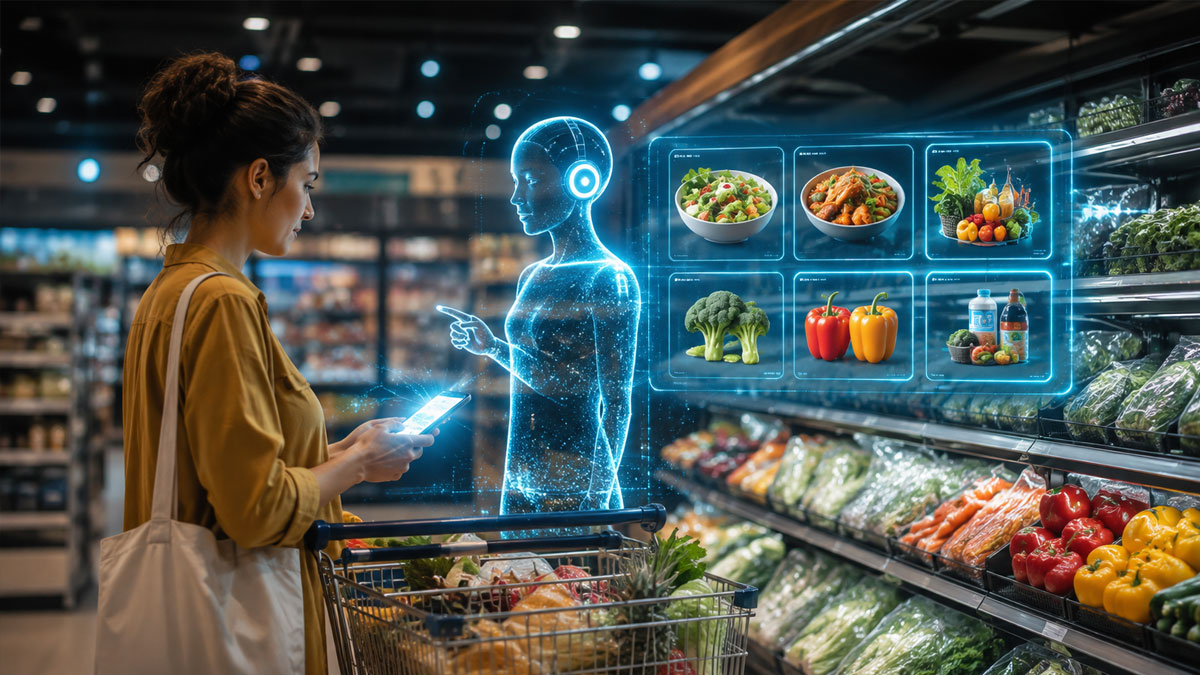
Tesco is expanding its use of artificial intelligence from predicting what shoppers may want to technology that can take actions on their behalf, as the UK’s largest supermarket explores so-called agentic AI. After three decades of collecting purchasing information through its Clubcard loyalty program, the retailer is testing tools that could eventually help customers plan meals and assemble their grocery orders automatically.
Tesco holds a significant share of the UK grocery market, accounting for almost 30% of grocery spending, while its Clubcard data is estimated to represent shopping information from eight out of 10 UK households. The supermarket has historically used that information for predictive analytics, including personalized offers and recommendations based on previous purchases.
The company is now working with Adobe and other AI firms to develop systems capable of going beyond recommendations. The aim is to use customer transaction information and behavioral signals to generate personalized promotions and determine how those offers should be presented to individual shoppers.
Tesco announced in April that it had formed a strategic partnership with Adobe and established the Tesco x Adobe Innovation Lab. The initiative brings Tesco’s data and AI specialists together with Adobe engineers to develop customized agentic AI applications. The technology uses Adobe’s Firefly Foundry generative AI platform, which is designed to create personalized and branded content at scale.
One of the technologies being tested internally is an AI assistant intended for Tesco’s Clubcard app. The system is designed to offer meal-planning suggestions based on a shopper’s preferences and dietary requirements, while also recommending ways to use leftovers and reduce household food waste.
The assistant is also reported to have the ability to create shopping baskets automatically using information about a customer’s preferences and previous purchases. If introduced more broadly, that capability would represent a move from AI suggesting products toward AI taking a more active role in preparing an order.
The project remains in its testing phase, and Tesco has not yet released concrete performance results. However, the experiments illustrate how retailers are increasingly exploring AI systems designed not simply to analyze behavior or make recommendations, but to perform tasks based on those insights.
Tesco has also partnered with French AI company Mistral on technology intended for internal use. According to the supermarket’s announcement, the work will cover content creation, document preparation and data analysis, as well as developing easier ways for employees to find information that can help them serve customers.
The broader vision for agentic AI in retail could eventually involve systems researching products, comparing choices, creating shopping baskets and making purchases for consumers. Such technology would give AI a direct role in the purchasing process rather than limiting it to influencing customer decisions.
Tesco’s current experiments remain some distance from fully autonomous shopping, but the Clubcard assistant demonstrates how retailers could gradually give AI greater responsibility over everyday purchasing decisions. For Tesco, the technology may provide the tools needed to automate more of the shopping journey, while customer confidence will determine how much control shoppers are ultimately willing to give an AI system.





Related Articles

Stanford Study Finds Experience May Shield Workers From AI Displacement
A new update from Stanford University suggests that artificial intelligence is creating...
AI Security Test Reveals Risks of Excessive Agent Access
A recent evaluation by the U.K.’s AI Security Institute (AISI) has highlighted...

IBM Says AI-Powered Cyber Breaches Surge as Attack Costs Climb
Artificial intelligence is playing an increasingly significant role in cybercrime, with IBM’s...

Nvidia Launches Open AI Security Alliance With Microsoft and IBM
Nvidia has unveiled the Open Secure AI Alliance, a new industry coalition...
Leave a comment