





Apple Signals Higher Prices as AI Costs Drive Up Expenses
 193cc Agency CouncilJune 18, 20262 Mins read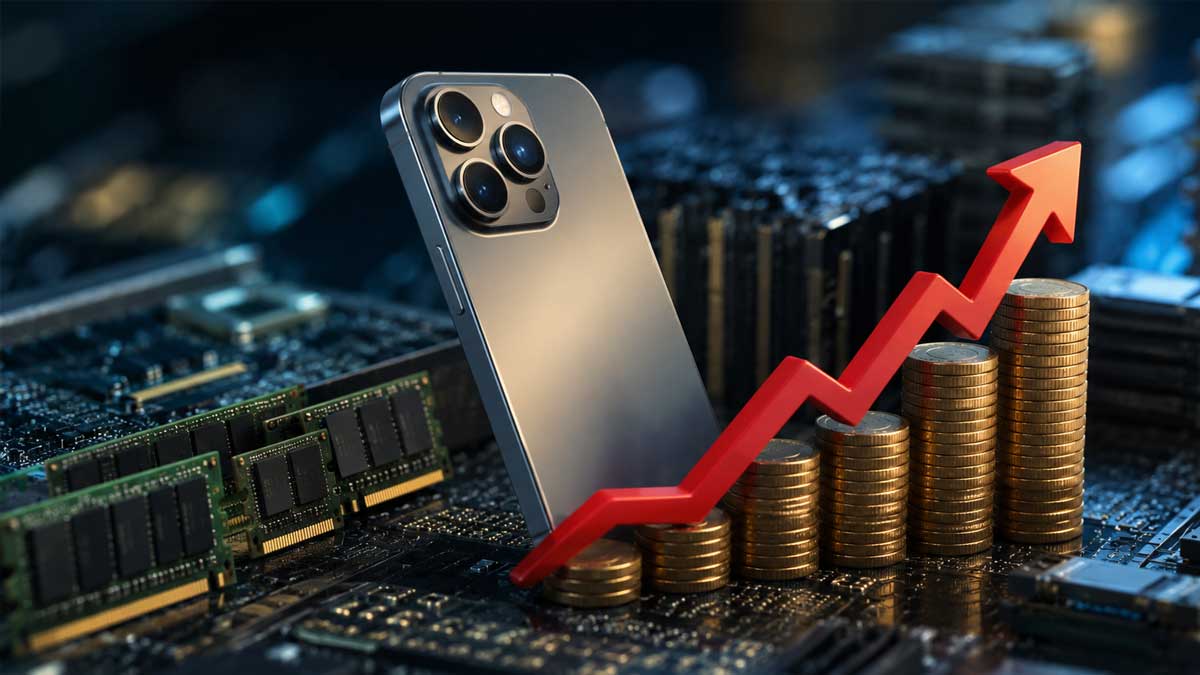
Apple is preparing to increase prices across parts of its product lineup as rising memory and storage costs linked to the artificial intelligence boom place growing pressure on hardware manufacturers. The company’s upcoming devices, including the expected iPhone 18 Pro, could be affected as Apple faces escalating expenses tied to silicon components and AI infrastructure.
In comments to The Wall Street Journal, outgoing Apple CEO Tim Cook said the company has worked to shield customers from higher costs but may no longer be able to absorb the financial impact. “We’re doing our best to mitigate the huge increases that are being passed to us, and we’ve been trying to shield our customers from the increases, but the situation has become unsustainable,” Cook said.
Apple is not alone in confronting these challenges. Hardware makers across the technology sector have been adjusting pricing strategies and making more cautious product decisions as component costs rise. One approach being adopted is the removal of lower-capacity storage options, effectively making higher-priced configurations the new entry-level models.
Industry observers point to changes in Apple’s Mac Mini lineup as an example of this strategy. The previous $599 model has been removed, leaving the $799 version as the least expensive option available, creating an effective $200 increase for consumers seeking entry-level hardware.
Although Apple has not announced when any future price adjustments will take effect or which devices will be affected, expectations for the iPhone 18 family had previously centered on pricing similar to the iPhone 17 Pro and iPhone 17 Pro Max. A foldable iPhone Ultra is still expected to occupy the premium end of the lineup with a significantly higher price tag.
The iPhone remains Apple’s most important product, but analysts note that increasing silicon costs are affecting the company’s entire hardware portfolio. Apple’s substantial profit margins provide some flexibility, though executives must decide how much of those margins they are willing to sacrifice before passing additional costs on to customers.
The pressure is also increasing as Apple prepares to expand its Apple Intelligence platform. The AI features expected to arrive with iOS 27 will require additional memory and storage capacity to support large language models and on-device processing capabilities. Apple’s traditionally conservative approach to memory and storage management may become more difficult to maintain as these new features demand greater hardware resources.
The broader AI race has intensified demand for advanced chips, memory, and storage throughout the technology industry. As smartphone manufacturers continue adding artificial intelligence capabilities to their devices, the same technology driving innovation is also contributing to higher production costs. For Apple, delivering a competitive AI experience while managing rising component expenses appears likely to make future pricing increases difficult to avoid.






Related Articles

Xiaomi 18 Pro Max Pushes Into Premium Global Phone Market
Xiaomi is expanding its premium smartphone ambitions beyond China with the Xiaomi...

Epson Launches Three New 4K Laser Home Cinema Projectors
Epson has introduced three new laser-powered home cinema projectors aimed at movie...
Feather Robotics Launches $29,990 Mobile Humanoid Robot
California startup Feather Robotics has emerged from stealth with a $29,990 mobile...


MCHOSE ACE 75 Hall Effect Gaming Keyboard Launches on Kickstarter
MCHOSE has launched its ACE 75, a new 75% Hall Effect gaming...
Leave a comment