





High School Graduation Standards Face an AI-Era Overhaul
 193cc Agency CouncilJune 19, 20263 Mins read
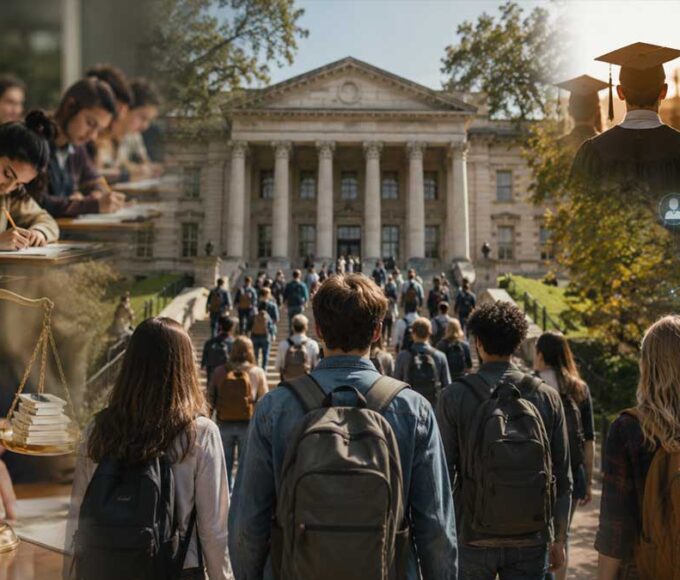
As graduation ceremonies take place across the United States, millions of students are receiving high school diplomas and preparing for the next stage of their lives. Yet growing concerns remain about whether the traditional diploma accurately reflects readiness for higher education, careers, and a rapidly evolving economy shaped by artificial intelligence and automation.
The debate comes as students face unprecedented changes in the workforce. More than half of American teenagers report using artificial intelligence tools to assist with schoolwork, while many also express concerns about how the technology could affect their future opportunities. A recent survey of 1,000 U.S. teens found that 57% believe AI has had a negative impact on their career prospects, highlighting uncertainty about the future job market.
Education leaders across several states are responding by reconsidering long-standing graduation requirements. Indiana, Rhode Island, New York, and Massachusetts are among the states pursuing reforms aimed at ensuring that high school credentials better align with modern educational and workforce expectations. New York is currently evaluating its next steps after eliminating its long-standing Regents Exam system, while Massachusetts recently introduced new graduation requirements designed to better prepare students for current realities.
One major focus of these reforms is eliminating the traditional distinction between college preparation and career training. Policymakers increasingly argue that students need both strong academic skills and practical workplace experience. Indiana has embraced this approach through a comprehensive redesign of its diploma framework. Approved by the State Board of Education in December 2024 and set to take effect for the Class of 2029, the new Indiana Diploma introduces Readiness Seals that recognize preparation for postsecondary education, employment in high-demand fields, and military service.
The Indiana model allows students to move between pathways as their interests change. Students pursuing the Honors Plus Employment Seal must complete 650 hours of career-related work-based learning, while those focused on higher education can earn college credits through the Indiana College Core program, which provides 30 transferable credit hours accepted by Indiana’s public colleges and universities and some private institutions.
Artificial intelligence literacy is also becoming a central component of diploma modernization efforts. While schools initially focused on addressing concerns about AI misuse, policymakers are increasingly emphasizing the importance of preparing students to work with emerging technologies. Massachusetts’ newly announced graduation framework includes requirements for AI and digital literacy skills. These competencies will be incorporated into coursework, work-based learning experiences such as capstone projects, and a possible Seal of Distinction available to students.
Supporters of the reforms argue that AI literacy should be treated similarly to financial literacy and civics education, which have gradually become more integrated into graduation standards. The goal is to ensure all graduates possess the knowledge necessary to navigate a technology-driven economy and continue adapting as new innovations emerge.
Another priority is ensuring that a diploma genuinely reflects readiness for future opportunities. Rhode Island’s recent reforms were prompted by a significant disconnect between graduation requirements and college admissions standards. State officials found that although most seniors planned to attend college, many had not completed the coursework required for admission to the University of Rhode Island or Rhode Island College. Even among those who had taken the necessary classes, only about half successfully passed them.
To address the issue, Rhode Island aligned its graduation requirements with the admissions standards of its major public universities. The state also introduced FAFSA completion and resume preparation requirements to better support students’ transitions after high school. Massachusetts has similarly reinforced academic expectations through its MassCore framework, while Indiana is also pursuing stronger alignment between diploma requirements and college readiness standards.
Although states are adopting different strategies, they share a common objective: ensuring that a high school diploma carries meaningful value in today’s economy. Policymakers increasingly recognize that students are entering a labor market transformed by artificial intelligence, automation, and changing employer expectations. Rather than simply adding new requirements, states are focusing on creating credentials that better connect students to education, careers, and future opportunities.
As graduation caps continue to fill the air each spring, the broader conversation centers on what those diplomas represent and whether they provide graduates with a credible pathway to success in a rapidly changing world.






Related Articles
College Admissions Face Growing Calls for Greater Transparency
Colleges and universities across the United States are facing renewed scrutiny over...

P-TECH Model Offers Blueprint for America’s AI Workforce Shift
As artificial intelligence reshapes the workplace, experts argue the United States needs...

New Student Loan Rules Bring Major Changes for Future Borrowers
New federal student loan regulations took effect on July 1, introducing significant...


Google AI Tutor Shows Strong Learning Gains in Classroom Trial
Google DeepMind has released findings from a classroom study in Sierra Leone...
Leave a comment