





Xbox Faces Hardware Challenge as It Rebuilds Its Future
 193cc Agency CouncilJune 22, 20262 Mins read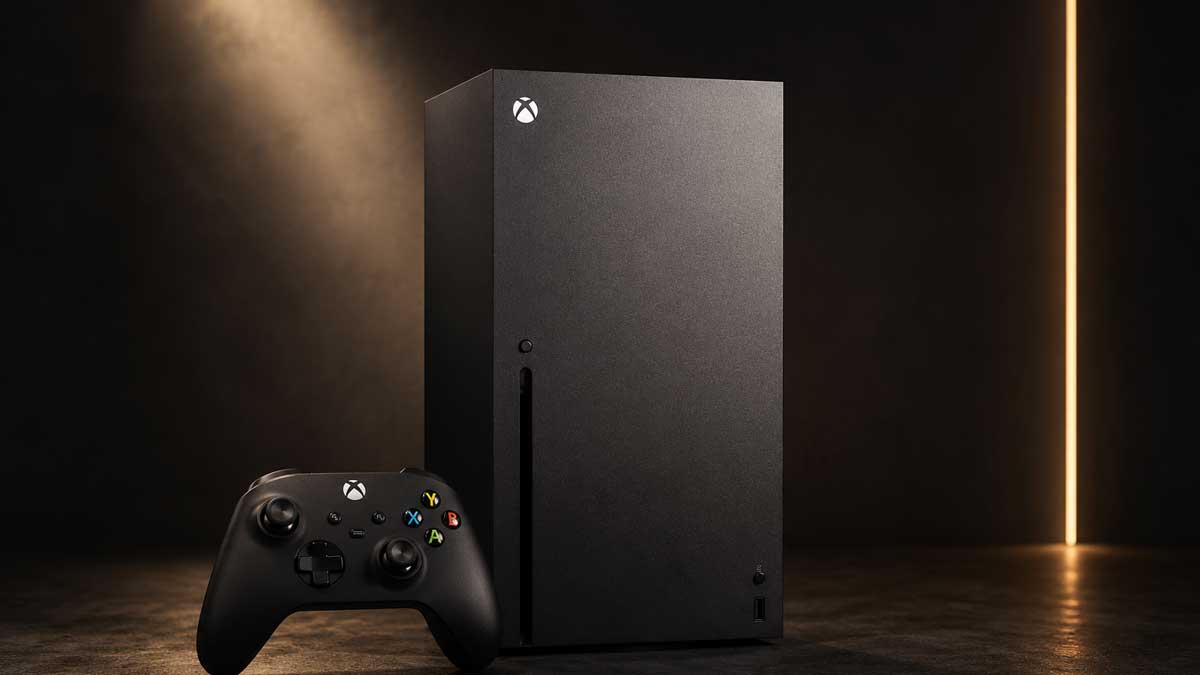
efforts to revive the Xbox brand are entering a critical phase, with industry observers increasingly pointing to hardware as the central issue behind many of the platform’s current challenges. As the company works to reverse nearly a decade of policies that weakened Xbox’s market position, questions surrounding consoles, Game Pass growth and exclusive games continue to dominate the discussion.
Although Microsoft has invested heavily in cloud gaming, the strategy has yet to become the transformative force many anticipated. During the company’s Activision Blizzard court proceedings, Microsoft acknowledged that cloud gaming remained a relatively small and emerging market. While cloud streaming has become a useful feature for some players, it has not replaced traditional console gaming as the primary way most Xbox users access the platform.
The company’s ambitions for Xbox Game Pass are also closely tied to hardware adoption. Growth in the subscription service has become increasingly dependent on expanding the console user base, as cloud-only gamers remain a niche audience and many PC players remain committed to existing ecosystems. Without significant growth in console ownership, Game Pass expansion faces limitations. The challenge became even more pronounced after a major 50% price increase triggered a wave of cancellations before new leadership reversed the decision.
Hardware also sits at the center of Xbox’s ongoing struggle with exclusive games. Traditionally, exclusive titles have served as powerful incentives for consumers to purchase a specific console. However, Xbox has faced difficulties both in consistently producing must-have exclusives and in maintaining a clear platform identity. The company’s acquisition of major third-party publishers, including Activision Blizzard, expanded its content portfolio, but Microsoft’s broader strategy of making Xbox games available across multiple platforms, including PlayStation, reduced the urgency for consumers to buy Xbox hardware.
These issues are unfolding at a time when hardware costs have surged dramatically. Consumers currently face prices as high as $800 for a 2TB Xbox Series X, while Microsoft itself is dealing with rising manufacturing expenses. In a recent blog post, Xbox CEO Asha Sharma revealed that storage component costs had doubled in just six months and were now five times higher than they were two years ago. The comments underscored the growing financial pressure facing both the company and consumers.
The challenge could become even greater with Microsoft’s next-generation console project, reportedly known by the codename Helix. The device is expected to combine elements of a traditional gaming console and a personal computer. While the hybrid approach could offer greater flexibility, rising component costs and ongoing supply pressures may push pricing to levels that limit its appeal to a broader audience.
As Microsoft attempts to strengthen Xbox’s position, many of its biggest concerns—including Game Pass growth, exclusive content and customer loyalty—remain closely linked to hardware. The company must address those issues while also overcoming reputational damage from two generations of underperformance and navigating a market where hardware costs continue to climb. Industry analysts suggest that finding solutions will be increasingly difficult as these challenges converge.






Related Articles

Take-Two Subpoenas Microsoft, Discord Over GTA VI Leaks
Take-Two Interactive, the parent company of Rockstar Games, has launched an effort...
Palworld Continues to Outshine Pokémon in Several Key Areas
More than two years after its original release, Palworld continues to draw...
GTA 6 Strategy Shows How Take-Two Built a Gaming Powerhouse
Take-Two Interactive is expected to set new industry records when Grand Theft...


Sony’s PlayStation Disc Exit Sparks Massive Gamer Backlash
Sony has ignited widespread criticism after announcing it will stop selling new...
Leave a comment