





GTA 6 Strategy Shows How Take-Two Built a Gaming Powerhouse
 193cc Agency CouncilJuly 3, 20262 Mins read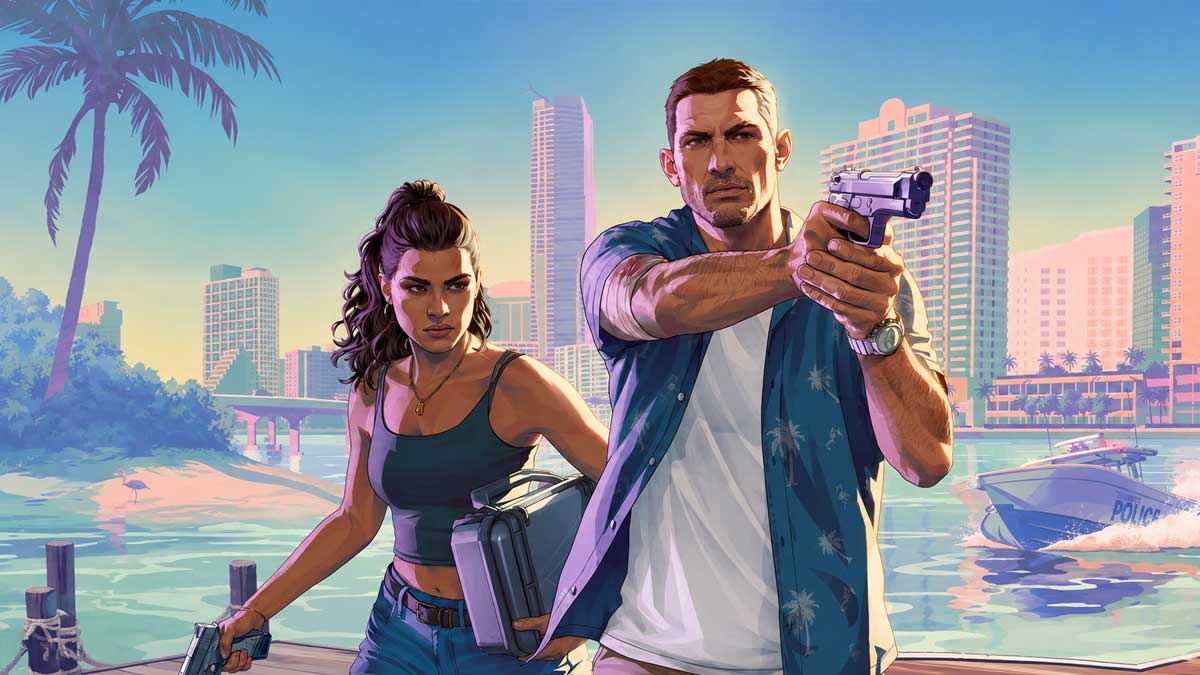
Take-Two Interactive is expected to set new industry records when Grand Theft Auto 6 launches on Nov. 19, with analysts forecasting sales of up to 40 million copies on its first day and revenue between $3 billion and $4 billion. If those projections are met, the company will surpass the previous launch-day record established by Grand Theft Auto V, which generated $815.7 million when it debuted in 2013.
The anticipated success of GTA 6 reflects a long-term business strategy that combines blockbuster game development with diversified revenue sources. While many gaming companies have shifted toward predictable recurring-income models, Take-Two has continued investing in high-budget flagship releases while building financial stability through other parts of its business.
The foundation of the Grand Theft Auto franchise dates back to 1996, when Head of Development Sam Houser transformed the police simulation game Race and Chase into a title where players assumed the role of criminals. Public criticism, including condemnation from the House of Lords, ultimately increased the game’s visibility and helped establish the franchise’s identity.
As technology advanced, Rockstar Games expanded the series with cinematic storytelling, detailed open-world environments, radio stations, pedestrian dialogue, and references to classic gangster films. Grand Theft Auto: Vice City further strengthened the formula by recreating 1980s Miami, helping it become America’s best-selling video game in 2002.
Take-Two also built its reputation by allowing Rockstar Games significant creative freedom, extended development schedules, and large production budgets. Grand Theft Auto V required five years of development and an estimated $265 million budget, while Grand Theft Auto 6 has experienced multiple delays and is estimated by analysts to have cost more than the construction of the Burj Khalifa. Rather than following a traditional marketing schedule, the company has generated excitement through limited promotional material, releasing only a cinematic trailer and several screenshots ahead of launch.
Technology has also played a major role in the company’s expansion. After rival Electronic Arts acquired Criterion Games and its RenderWare engine in 2004, Rockstar San Diego developed the Rockstar Advanced Game Engine (RAGE), which debuted with a table tennis title in 2006 before becoming the foundation for Rockstar’s large-scale open-world games.
The RAGE engine also allowed Take-Two to reshape acquired franchises. Following its acquisition of Capcom assets, the company reworked Red Dead Revolver into the narrative-driven open-world franchise Red Dead Redemption, which has since sold 115 million copies worldwide. A similar approach transformed Max Payne into a cinematic blockbuster, while internally developed titles such as Bully and Manhunt adopted many of the same design principles.
To reduce the financial risks associated with lengthy development cycles, Take-Two expanded Grand Theft Auto Online through microtransactions after its 2013 launch. Although technical problems initially affected the online service, players later embraced purchases including apartments, businesses, and weapons, helping cumulative microtransaction revenue exceed $500 million by April 2016.
The publisher also diversified its portfolio beyond Rockstar Games. Family-friendly titles and annual sports franchises such as NBA 2K generated steady revenue through the 2K label, while the company’s $12.7 billion acquisition of mobile gaming firm Zynga further broadened its business. During the financial year ending in March 2026, Zynga accounted for roughly 50% of Take-Two’s revenue, while Rockstar Games contributed 16% and 2K generated approximately 34% to 35%. Following the launch of Grand Theft Auto 6, Rockstar’s share of total revenue is projected to rise to about 36%, reflecting the franchise’s expected commercial impact rather than declines in the company’s other divisions.
The combination of premium blockbuster development, scalable technology, recurring online revenue, and business diversification has positioned Take-Two as one of the gaming industry’s most successful publishers, offering a strategy that analysts believe could also provide lessons for companies in sectors beyond entertainment.





Related Articles
Take-Two Subpoenas Microsoft, Discord Over GTA VI Leaks
Take-Two Interactive, the parent company of Rockstar Games, has launched an effort...
Palworld Continues to Outshine Pokémon in Several Key Areas
More than two years after its original release, Palworld continues to draw...
Sony’s PlayStation Disc Exit Sparks Massive Gamer Backlash
Sony has ignited widespread criticism after announcing it will stop selling new...

Sony Layoffs Slash Bungie Workforce as Destiny 2 Team Dissolved
Bungie has undergone one of the largest workforce reductions in its history...
Leave a comment