





Aston Martin Valhalla Blends F1 Tech With Everyday Drivability
 193cc Agency CouncilJuly 3, 20262 Mins read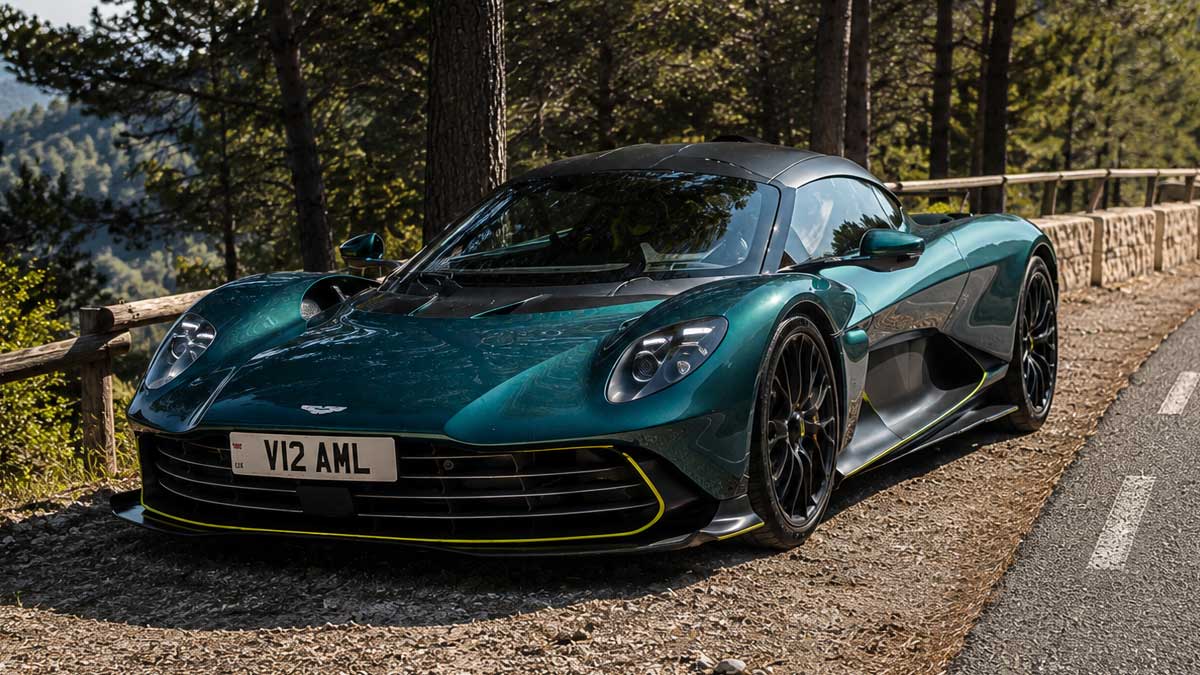
Aston Martin’s new Valhalla is proving that extreme performance and everyday usability can coexist, delivering a driving experience that combines Formula 1-inspired engineering with surprising comfort. During an extended drive across France, the hybrid hypercar demonstrated its ability to balance immense power, advanced aerodynamics, and approachable handling despite its exotic design and seven-figure price tag.
Developed alongside the Aston Martin Aramco Formula 1 Team, the Valhalla features an advanced active aerodynamic system capable of producing more than 600 kilograms of downforce at 149 mph. Power comes from a twin-turbocharged hybrid V8 paired with three electric motors, producing a combined 1,064 brake horsepower.
The hypercar’s exterior emphasizes function as much as style. Its low, wide proportions, integrated aerodynamic elements, sculpted side channels, and aggressively vented rear section are all designed to manage airflow while giving the car a distinctive appearance. Even when parked, the Valhalla projects the image of a machine built for speed.
Inside, the cockpit offers a compact, race-inspired layout with limited forward visibility due to its low roofline and windscreen design. Hidden door handles integrated into the bodywork and upward-opening dihedral doors reinforce the car’s futuristic character. Despite measuring 2,208 mm wide—84 mm wider than the Aston Martin Vantage S—the Valhalla proved manageable on narrow French roads, where its presence naturally encouraged other motorists to make room.
The car offers multiple driving modes, including Sport+ for maximum performance and Pure EV mode, which enables all-electric driving at speeds up to 80 mph with an estimated range of around nine miles. During spirited driving through the French countryside toward Le Mans, the Valhalla showcased exceptional balance, rapid acceleration, and precise steering. As engine speed approaches the 7,000-rpm redline, the active rear wing deploys to increase downforce, while the hybrid powertrain combines a deep V8 soundtrack with the distinctive sound of its electric motors.
Ride quality also impressed despite the car’s extreme performance focus. The suspension handled uneven roads comfortably, and although the dampers can be softened using a dedicated button, the standard setup already delivered a refined ride.
The Valhalla attracted constant attention throughout the journey, with other drivers slowing to take photographs and spectators stopping to watch it pass. One practical inconvenience emerged at French toll booths, where the wide-opening dihedral doors required extra space, forcing the driver to park farther from payment machines before exiting the vehicle.
After two days behind the wheel, the experience highlighted the Valhalla’s blend of advanced technology, remarkable performance, and usability. With production already largely spoken for, prospective buyers may find securing one as challenging as matching its capabilities on the road.






Related Articles
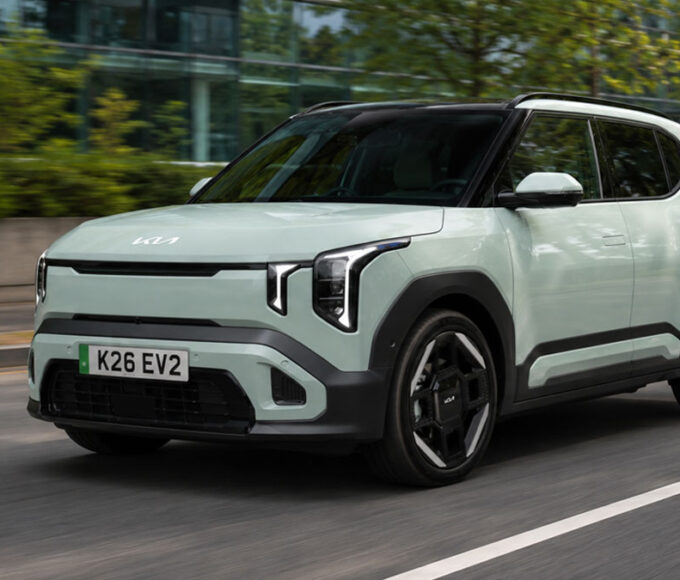
Kia EV2 Review: Affordable Electric SUV Targets 275-Mile Range
Kia is targeting the growing affordable electric SUV market with the new...

Aventon Current eMTB Brings 750W Power and Full Suspension
Aventon has expanded its electric mountain bike lineup with the new Current,...
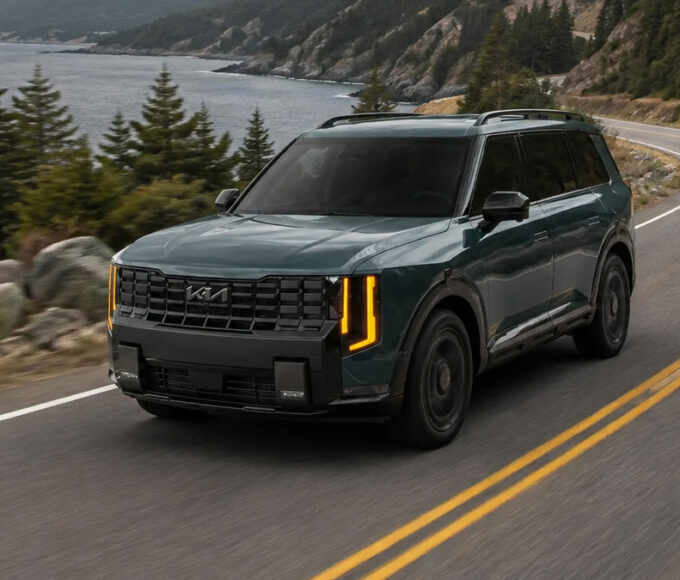
2027 Kia Telluride Turbo Hybrid Brings Power and Luxury Value
The 2027 Kia Telluride Turbo Hybrid marks a major step forward for...
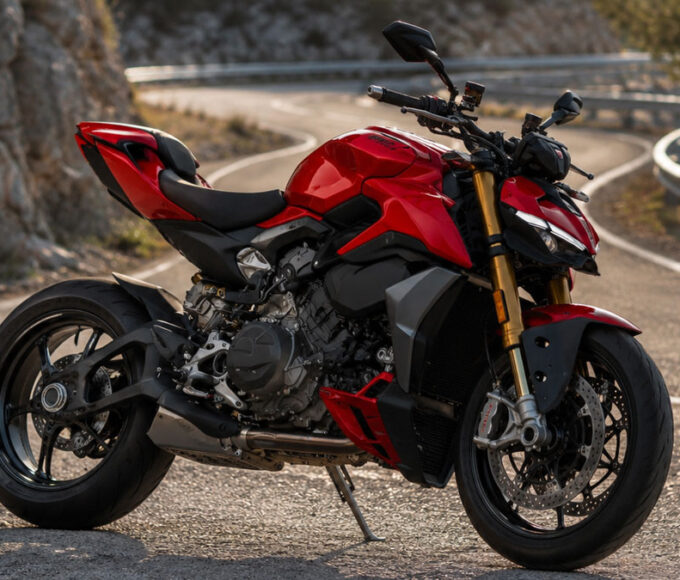

Ducati Streetfighter V2 Delivers 120 HP in a Lighter Package
The 2025 Ducati Streetfighter V2 combines the performance-focused hardware of Ducati’s Panigale...
Leave a comment