





Ray Dalio Warns Strait of Hormuz Battle May Shape U.S. Influence
 193cc Agency CouncilJuly 25, 20262 Mins read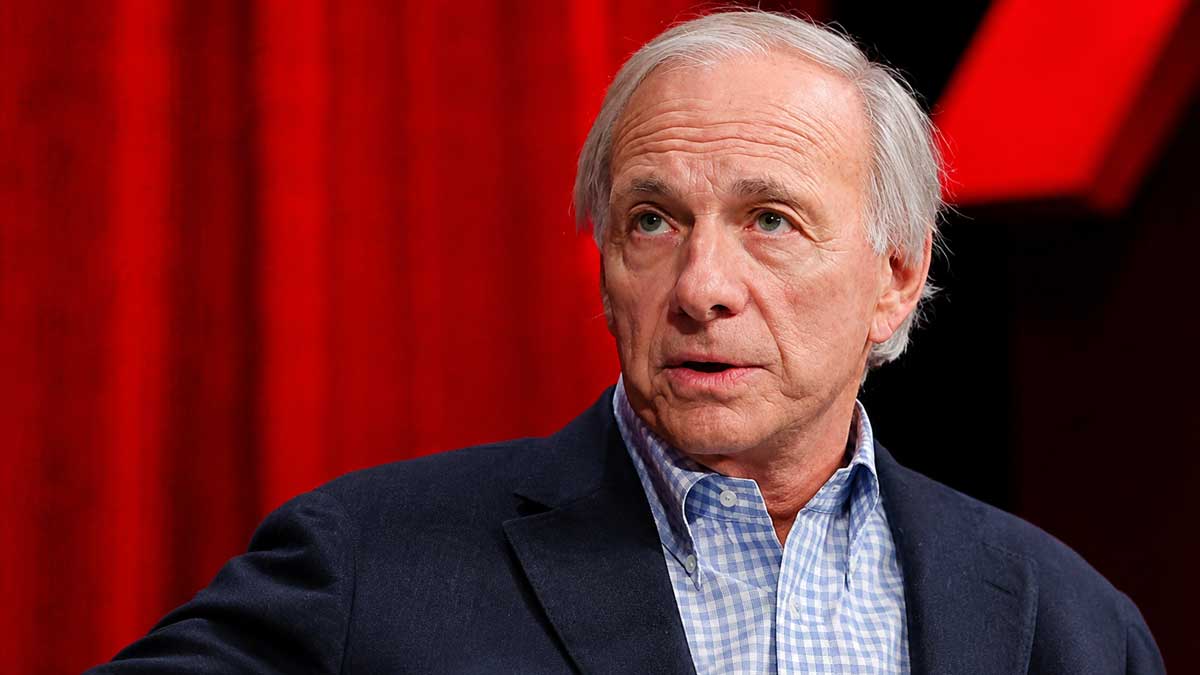
Billionaire investor and Bridgewater Associates founder Ray Dalio has warned that the ongoing conflict involving the United States and Iran has reached what he believes is a defining stage, arguing that the outcome of the struggle over the Strait of Hormuz could have lasting consequences for America’s global standing.
In a post published Friday, Dalio pointed to an article he wrote several months ago that has attracted more than 3 million views. In that analysis, he argued that if Iran maintains any level of control over the Strait of Hormuz—including enough influence to negotiate over its use—the United States would effectively be viewed as having lost the conflict. He said such an outcome could weaken confidence among Gulf allies, disrupt global energy supplies, and undermine the U.S. dollar’s position as the world’s leading reserve currency.
Referring to recent developments, Dalio wrote that “it is now clear that it is happening, and we will soon have the final battle and its result,” suggesting the conflict has entered a decisive phase.
His comments followed an announcement from U.S. Central Command on Friday that American forces carried out a roughly two-hour military operation beginning at 2:15 a.m. local time, targeting Iranian military assets, including drone storage facilities. The operation came after Tehran reportedly rejected a U.S. cease-fire proposal delivered through Iraq’s leader.
Dalio also cited statements from Iran’s military command threatening to destroy “all oil, economic, and energy facilities belonging to oil companies in the region that are partly owned by the United States or that cooperate with the United States.” He compared the current situation to the 1956 Suez Canal Crisis, arguing that an inability by the U.S. to secure the Strait of Hormuz could signal the beginning of a broader decline in American global influence, similar to turning points experienced by the British, Dutch, and Spanish empires.
The Strait of Hormuz, located between Iran and Oman, remains one of the world’s most strategically significant maritime routes. Before Iran declared the passage “closed” following U.S. and Israeli attacks in February, about one-fifth of globally traded oil and a substantial share of liquefied natural gas moved through the waterway each day. Since then, Iran has repeatedly threatened or disrupted commercial shipping in response to U.S. and Israeli military operations, increasing insurance costs, reducing tanker traffic, and contributing to repeated spikes in global oil prices. The United States has maintained that keeping the strait open is essential for international trade and global energy security.
Since the conflict began, Iranian forces have seized three vessels attempting to transit the Strait of Hormuz. Two container ships operated by MSC were taken in April and reportedly remain unreleased, while a tanker owned by Greek shipping billionaire George Prokopiou was reportedly towed into Iranian waters earlier this week.
Looking ahead, Dalio said a key factor to watch will be whether the United States can build a multinational coalition to escort commercial vessels safely through the Strait of Hormuz, describing such an outcome as “a big win” for the administration.
Dalio, the founder of Bridgewater Associates, the world’s largest hedge fund firm, has an estimated net worth of approximately $15.4 billion, placing him among the world’s 200 wealthiest individuals.






Related Articles

Mark Zuckerberg Loses $8.9 Billion as Meta Shares Slide
Mark Zuckerberg’s estimated fortune fell by $8.9 billion on Friday as Meta...

Oura Targets Up to $2.2 Billion in Smart-Ring IPO
Oura is moving ahead with plans to go public, targeting as much...

Warren Buffett Steps Down as Berkshire Hathaway Chairman
Warren Buffett has stepped down as chairman of Berkshire Hathaway, marking another...


Robinhood Stock Drops 5% as Two Employees Face Crypto Fraud Charges
Robinhood shares dropped more than 5% on Wednesday, reaching a two-week low...
Leave a comment