





Ford Recalls 500,000+ Broncos Over Engine Fire Risk
 193cc Agency CouncilJuly 25, 20261 Mins read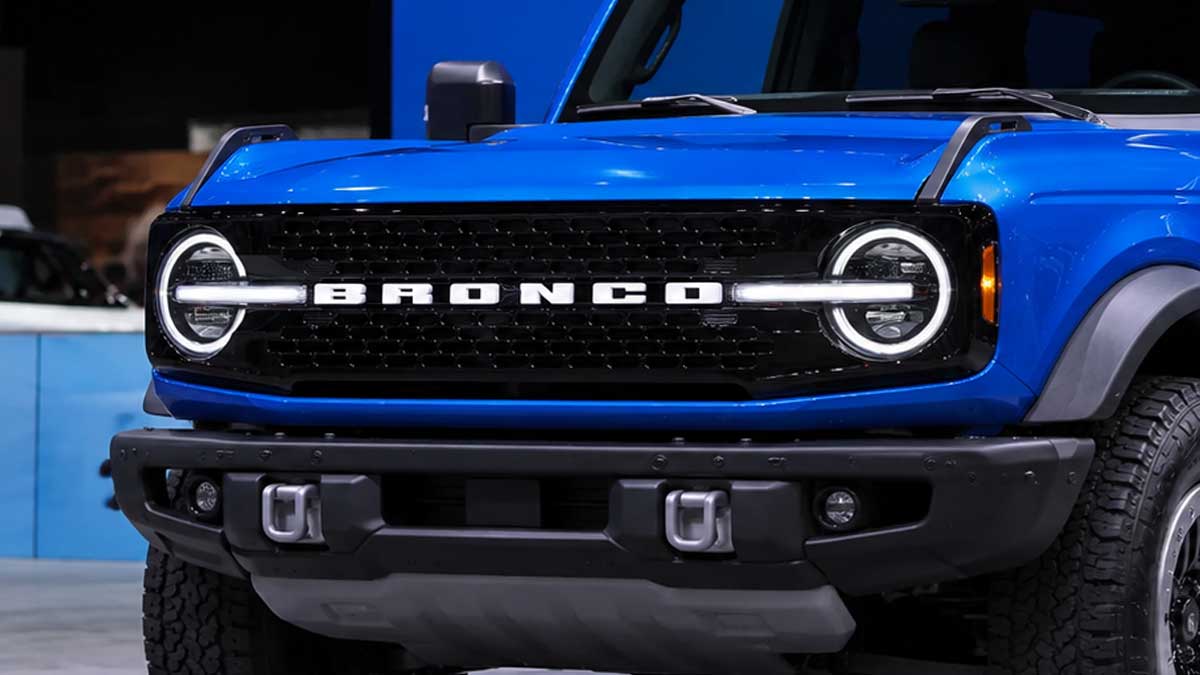
Ford has announced a major safety recall affecting more than 500,000 Bronco SUVs after identifying a wiring defect that could increase the risk of an engine fire. The recall, disclosed Friday through a filing with the National Highway Traffic Safety Administration (NHTSA), applies to certain Ford Bronco and Bronco Raptor models built between 2021 and 2026.
According to the filing, the issue involves the engine compartment wiring harness, where a potential electrical short could generate excessive heat or sparks. In some cases, this could ignite a fire within the engine bay. Drivers of affected vehicles may notice warning signs before a fire occurs, including smoke entering through the air vents, dashboard warning messages, or flames emerging from the passenger-side area of the engine compartment.
Ford told regulators it has identified at least 15 incidents showing evidence of fires linked to the engine compartment wiring harness. However, the company said it has not received any reports of crashes or injuries connected to the defect.
Owners of impacted vehicles are expected to receive recall notifications beginning Aug. 24. As part of the repair, Ford dealerships will install a new protective covering for the wiring harness at no cost to customers.
The latest action adds to Ford’s growing list of recalls this year. The automaker has issued 60 recalls in 2026, more than any other manufacturer, ahead of Chrysler with 24 recalls, while General Motors and Hyundai have each announced 19. In 2025, Ford set a record by issuing 153 recalls covering approximately 12.9 million vehicles, surpassing the combined total of the next four automakers, including Chrysler, Forest River, General Motors, and International Motors.
Ford has continued to face large-scale recall campaigns throughout 2026. In February, the company recalled more than 4 million vehicles because of a software problem affecting its F-Series trucks. It also recalled about 1.4 million F-150 pickups in April over a defect that could cause unexpected downshifts, a problem regulators said could increase the likelihood of a crash.






Related Articles

Mark Zuckerberg Loses $8.9 Billion as Meta Shares Slide
Mark Zuckerberg’s estimated fortune fell by $8.9 billion on Friday as Meta...

Oura Targets Up to $2.2 Billion in Smart-Ring IPO
Oura is moving ahead with plans to go public, targeting as much...

Warren Buffett Steps Down as Berkshire Hathaway Chairman
Warren Buffett has stepped down as chairman of Berkshire Hathaway, marking another...


Robinhood Stock Drops 5% as Two Employees Face Crypto Fraud Charges
Robinhood shares dropped more than 5% on Wednesday, reaching a two-week low...
Leave a comment