



China Launchs WAICO to Expand Global AI Governance Initiative
 193cc Agency CouncilJuly 29, 20261 Mins read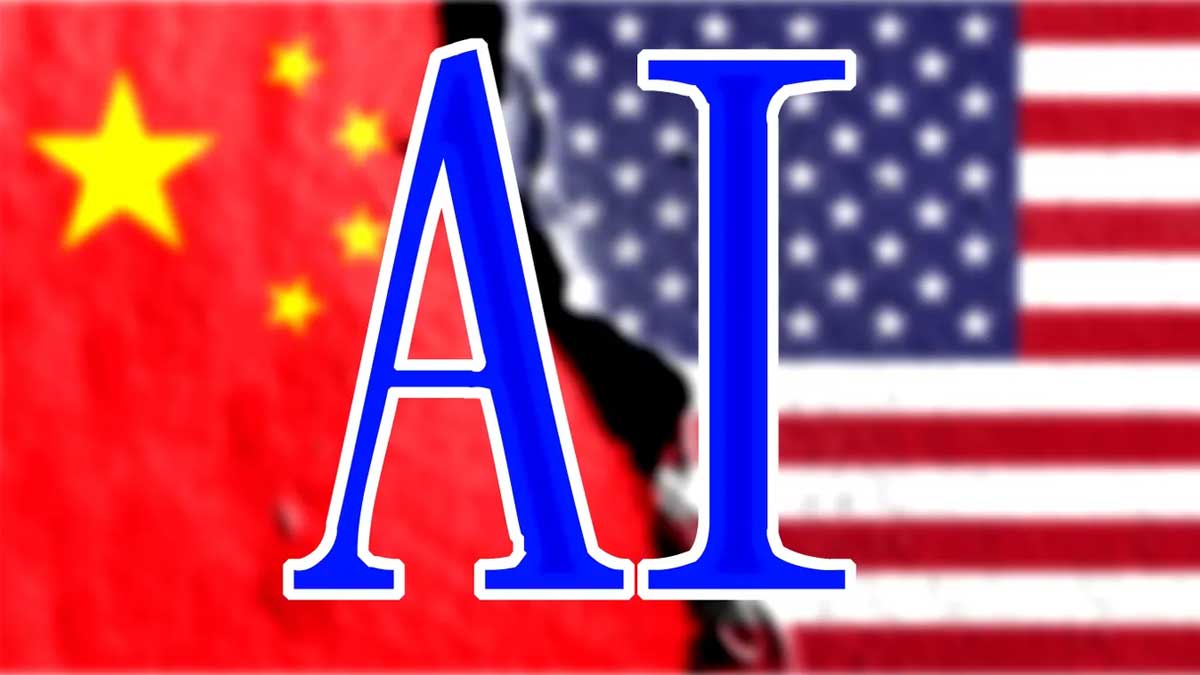
China has officially launched the World Artificial Intelligence Cooperation Organization (WAICO) in Shanghai, establishing a new international body focused on AI governance with support from 29 countries while major Western AI powers remained outside the initiative. The move signals the emergence of a separate framework for regulating artificial intelligence as global competition over technology standards continues to intensify.
The founding charter for WAICO was signed by 29 nations, including Russia, Belarus, Serbia, Cuba, Brazil, Venezuela and Pakistan, along with more than 20 other participating countries. The organization will be headquartered in Shanghai. Although the proposal was first introduced during last year’s World AI Conference, no governments formally committed at that time. One year later, the agreement has secured broad backing from participating nations.
Notably absent from the founding members were the United States, the United Kingdom, the European Union, Japan, South Korea and most countries that currently lead the development of advanced AI systems. Their absence highlights a growing divide in global approaches to AI governance.
The creation of WAICO reflects China’s effort to establish what many observers describe as a parallel governance model for artificial intelligence, similar to the separate paths previously seen in telecommunications standards, 5G infrastructure and semiconductor supply chains. The initiative is intended to provide an institutional framework for countries seeking an alternative approach to AI regulation.
Chinese President Xi Jinping described AI development as “a symphony, rather than a solo performance,” emphasizing cooperation over competition. China also pledged to support thousands of AI research and training projects across ASEAN, the African Union, the Arab League and Latin America, reinforcing its long-term strategy of expanding technological collaboration with developing regions.
For multinational businesses, the development could lead to increasingly different regulatory requirements governing AI technologies. As WAICO develops its own standards covering model safety, data governance and cross-border AI deployment, companies operating internationally may face the challenge of complying with separate AI regulatory systems, similar to the complexities created by data localization rules in recent years.
The lack of participation from the United States and Western European countries leaves a significant gap in global AI governance. As competing international frameworks continue to develop, businesses and governments are expected to closely monitor how global AI standards evolve.






Related Articles

Xiaomi 18 Pro Max Pushes Into Premium Global Phone Market
Xiaomi is expanding its premium smartphone ambitions beyond China with the Xiaomi...

Epson Launches Three New 4K Laser Home Cinema Projectors
Epson has introduced three new laser-powered home cinema projectors aimed at movie...
Feather Robotics Launches $29,990 Mobile Humanoid Robot
California startup Feather Robotics has emerged from stealth with a $29,990 mobile...


MCHOSE ACE 75 Hall Effect Gaming Keyboard Launches on Kickstarter
MCHOSE has launched its ACE 75, a new 75% Hall Effect gaming...
Leave a comment