





Nvidia Stock Jumps 7% After Strong Earnings and AI Growth Forecast
 193cc Agency CouncilAugust 27, 20261 Mins read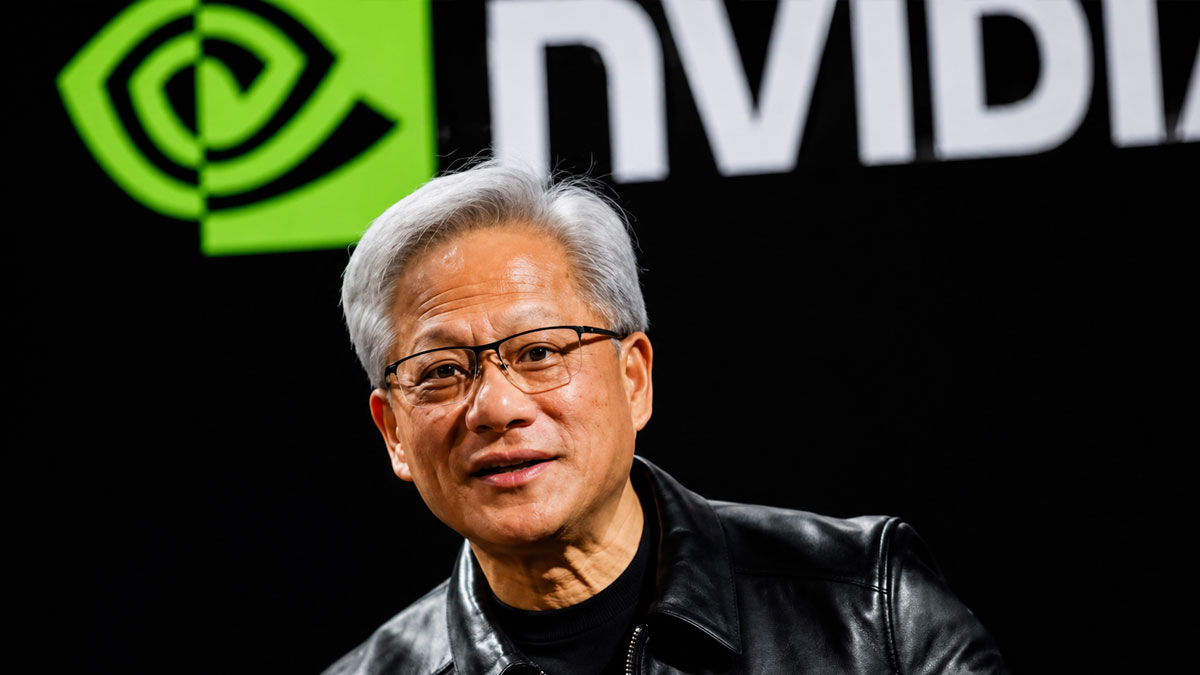
Nvidia shares surged in premarket trading Thursday after the chipmaker delivered stronger-than-expected quarterly results and projected substantial revenue growth for the next fiscal year, helping ease concerns about a potential slowdown in demand for AI computing. The rally also lifted other major semiconductor stocks.
Nvidia’s shares climbed to $224.83 in early premarket trading, gaining more than 7.2% from Wednesday’s closing price. The jump erased losses from a decline that had lasted more than a week, during which investors had been concerned about the company’s upcoming results as well as criticism surrounding its apparent “circular financing” arrangements involving leading AI companies including OpenAI and Anthropic.
The positive reaction spread across the semiconductor sector. Intel shares advanced 3.55% to $91.27, Broadcom gained 1.8% to $362.12 and AMD rose 1.6% to $488.72 in premarket trading. Micron, meanwhile, climbed more than 4% to $976.71 after Nvidia’s earnings call highlighted a shortage of memory chips linked to strong demand from AI chipmakers.
The gains among chipmakers also pushed major U.S. equity futures higher. Nasdaq Futures rose 1.10% to 29,622.25, while S&P 500 futures gained about 0.5% to 7,727.00. Semiconductor companies in Asia also advanced, with SK Hynix shares up 2.5%, Samsung shares gaining 1.7% and Kioxia shares rising 5%.
Nvidia released its second-quarter 2026 results Wednesday, reporting revenue of $96.2 billion, a 106% increase from the same period a year earlier and above Wall Street’s $92.2 billion expectation. Net income increased to $59.7 billion from $26.4 billion a year earlier. The company also forecast $108 billion in revenue for the current quarter, exceeding analysts’ estimate of approximately $104.2 billion.
During the earnings call, Nvidia said it expects sales to increase 70% in the next fiscal year. CEO Jensen Huang indicated that the forecast could prove conservative, saying supply limitations rather than demand were a key factor behind the projection. “Even though our demand is much greater than 70%, our supply allows us to confidently deliver 70%. We are going to continue to work with our supply chain to increase on that,” Huang said.




Related Articles
Nvidia Stock Surges 10% as Market Value Tops $5.5 Trillion
Nvidia shares surged nearly 10% Thursday, climbing to almost $230 as investors...

CrowdStrike Stock Jumps 13% After Record Quarter, AI Demand Surge
CrowdStrike shares jumped more than 13% Thursday after the cybersecurity company reported...

Selena Gomez Seeks Dismissal of Wondermind Fraud Lawsuit
Selena Gomez’s attorneys have asked a federal court to dismiss a securities...


Bitcoin Tops $80,000 as Crypto Rally Accelerates
Bitcoin climbed above $80,000 early Tuesday, extending a broad cryptocurrency rally that...
Leave a comment