




DNC Sets Super PAC Restrictions for 2028 Democratic Debate Access
 193cc Agency CouncilNovember 24, 20262 Mins read
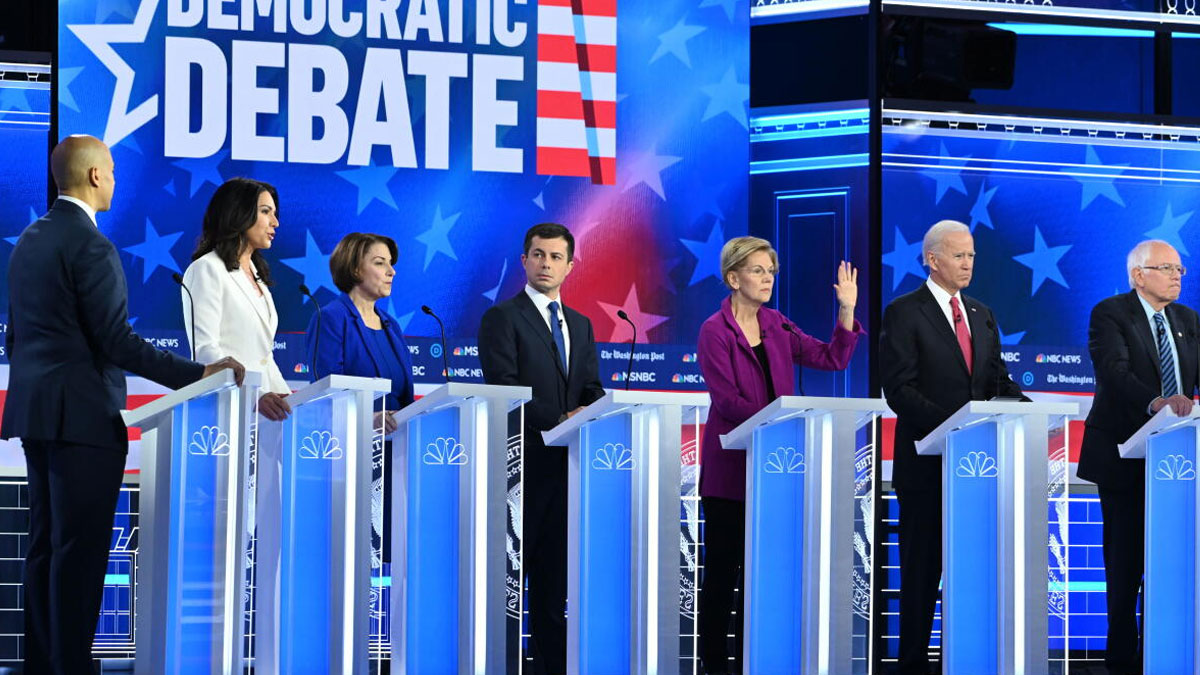
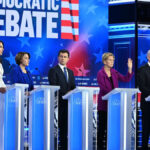
The Democratic National Committee (DNC) is introducing new campaign finance requirements for candidates seeking the party’s 2028 presidential nomination. Under its newly announced rules, candidates must publicly reject spending by super PACs and certain dark-money organizations that support their campaigns or target their Democratic primary opponents. Those who fail to comply could lose access to party-sanctioned presidential debates until they take the required corrective measures.
The DNC revealed its plans for the 2028 Democratic presidential primary process on Monday, highlighting the party’s recent electoral performance with the statement: “Democrats are on offense after our historic victories in the midterms.” A central part of the announcement is a newly released Fair Campaign Practices Pledge, which establishes restrictions on outside political spending during the primary campaign.
Under the pledge, candidates must publicly condemn advertising expenditures by super PACs and certain nonprofit organizations when those groups purchase television, radio, digital, billboard or direct-mail advertisements promoting their campaigns or criticizing Democratic primary rivals. The requirements also prohibit candidates and their campaign organizations from requesting or approving advertising expenditures by state, county or other local Democratic Party committees intended to benefit their candidacy or undermine competing Democratic candidates.
The rules extend to spending that candidates have not directly authorized. If the DNC receives a complaint from a rival campaign and subsequently informs a candidate about prohibited advertising, that candidate must publicly denounce the expenditure. The pledge also prevents presidential primary campaigns from entering into joint fundraising agreements with Democratic Party committees before their candidate becomes the party’s presumptive presidential nominee or receives the official nomination at the 2028 Democratic National Convention.
Candidates who disregard these requirements face potential exclusion from presidential primary debates. Campaigns responsible for authorizing prohibited advertising funded by Democratic Party committees must repay the money spent on their behalf before regaining debate eligibility. Those who violate the restrictions on joint fundraising agreements must end the arrangements and return the contributions collected through them.
Alongside the campaign finance requirements, the DNC announced plans for 12 presidential primary debates across 2027 and 2028. Five debates are scheduled for 2027, followed by seven in 2028. The opening two debates are planned for June and July 2027, while the final debate is currently scheduled for March 2028. The committee retains the option to revise the timetable if necessary, with additional information about the first two debates expected in January.
The DNC’s approach does not involve an outright prohibition on super PACs or dark-money organizations. On its official 2028 presidential primary website, the committee acknowledges that it lacks the legal authority to prevent these groups from spending money in elections because of the Supreme Court’s Citizens United decision. Instead, it is using eligibility for DNC-sanctioned debates as a mechanism to discourage outside spending and address what it describes as the growing influence of special interests in politics.
However, the pledge has defined limitations. Its restrictions apply only to super PACs and certain nonprofit organizations, as well as specific advertising formats identified in the rules. They do not extend to spending by other organizations, advertising through media channels outside the specified categories, or political advertisements that do not support or oppose a Democratic presidential primary candidate, including campaigns targeting only Republican candidates. The requirements are also limited to the Democratic presidential primary and will not apply during the general election.


Related Articles
JD Vance Avoids Endorsing Trump’s Decision to Attack Iran
U.S. Vice President JD Vance declined to say whether President Donald Trump...
CFTC Dropped Probe Into Trump’s Memecoin Over Political Concerns
Federal officials at the Commodity Futures Trading Commission (CFTC) reportedly considered investigating...
California Probes Nvidia Over Alleged Chinese Spy Links to Ex-CEO
California Attorney General Rob Bonta has launched an investigation into Nvidia, issuing...

JD Vance Rejects Bipartisan Immigration Reform Despite Trump’s Openness
U.S. Vice President JD Vance has pushed back against calls for bipartisan...
Leave a comment