




Trump Predicts Keir Starmer Exit Amid Growing UK Pressure
 193cc Agency CouncilJune 22, 20262 Mins read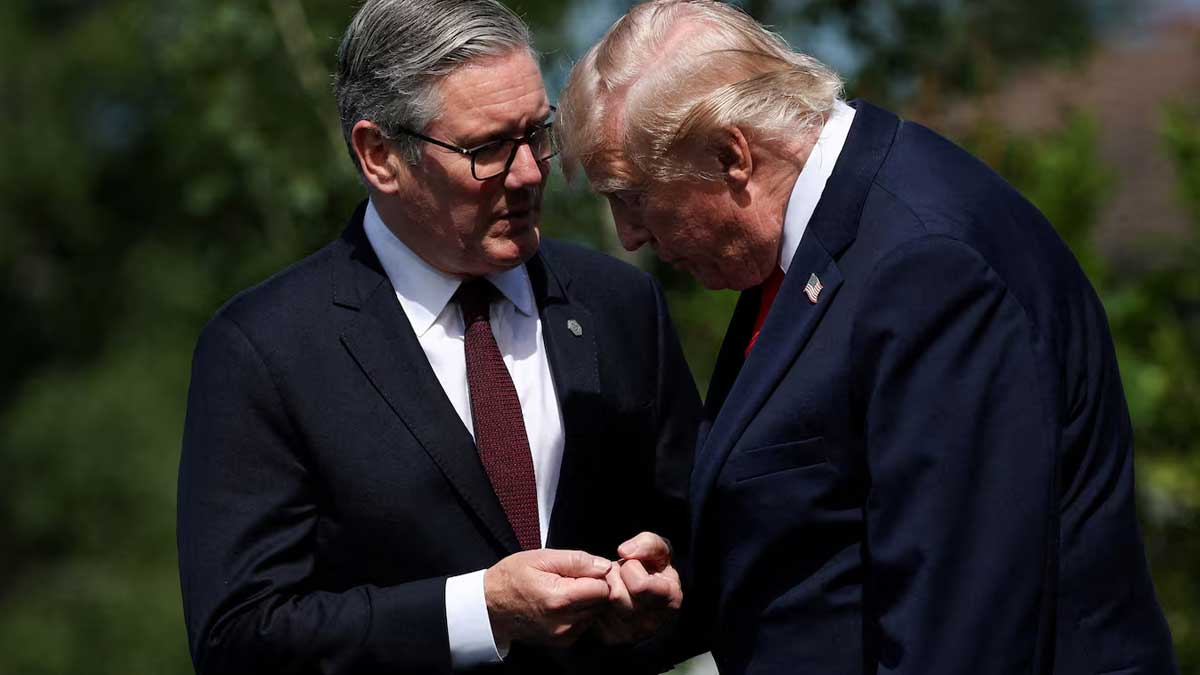
President Donald Trump said on Sunday that U.K. Prime Minister Keir Starmer is set to resign, making the claim on his Truth Social platform before any formal announcement from the British leader.
In his post, Trump criticized Starmer’s handling of immigration and energy policy, arguing that the prime minister had performed poorly on both issues. Trump specifically referenced North Sea oil production while discussing his concerns over the U.K. government’s energy approach.
Speculation about Starmer’s future has intensified in recent months. According to sources cited by the BBC, the Labour leader could outline a timetable for his departure as early as Monday. However, Starmer has not publicly confirmed any plans to step down.
Responding to questions about the reports, 10 Downing Street spokesman Patrick Dwyer-Cummins pointed reporters to remarks Starmer made on Friday, when he told Labour Party staff that there was still work to be done and that his focus remained on that task. The BBC later reported, citing Downing Street, that Starmer had not discussed resignation plans further and had not spoken with Trump during the weekend.
Attention is now turning to potential successors should Starmer leave office. The discussion gained momentum after former Greater Manchester Mayor Andy Burnham won a special election on Friday to replace the outgoing Member of Parliament for Makerfield. Burnham, a prominent Labour figure, is widely viewed as a leading contender to succeed Starmer if a leadership contest takes place. Asked about the possibility following Burnham’s victory, Starmer said Friday that if there were a contest, he would stand and had repeatedly stated he would not walk away. Meanwhile, U.K. Business Secretary Peter Kyle told the BBC on Sunday that Starmer was taking time to assess the current political landscape compared with previous weeks.
Starmer’s political standing has weakened significantly since taking office. An Ipsos survey conducted in September 2025 found that only 13% of respondents approved of his performance as prime minister, making him the least popular holder of the office since polling on the measure began in 1977. Another poll earlier this year placed his personal favorability at just 20%, below several rival party leaders. Despite Starmer’s struggles, Labour remained the most popular party among respondents, recording a 34% favorability rating, narrowly ahead of Reform UK.
Starmer became prime minister in July 2024 after Labour secured a decisive election victory following years of Conservative Party rule. Since then, dissatisfaction with his centrist leadership has coincided with rising support for both the left-leaning Green Party and the right-wing Reform UK party led by Nigel Farage. His government also faced additional scrutiny after the U.S. release of Epstein-related files that detailed the relationship between financier Jeffrey Epstein and Labour Party insider Peter Mandelson, whom Starmer had appointed as the United Kingdom’s ambassador to the United States.






Related Articles
Mark Zuckerberg Loses $8.9 Billion as Meta Shares Slide
Mark Zuckerberg’s estimated fortune fell by $8.9 billion on Friday as Meta...

Oura Targets Up to $2.2 Billion in Smart-Ring IPO
Oura is moving ahead with plans to go public, targeting as much...
Warren Buffett Steps Down as Berkshire Hathaway Chairman
Warren Buffett has stepped down as chairman of Berkshire Hathaway, marking another...


Robinhood Stock Drops 5% as Two Employees Face Crypto Fraud Charges
Robinhood shares dropped more than 5% on Wednesday, reaching a two-week low...
Leave a comment