





India Halts WhatsApp Username Feature Over Fraud Concerns
 193cc Agency CouncilJuly 2, 20262 Mins read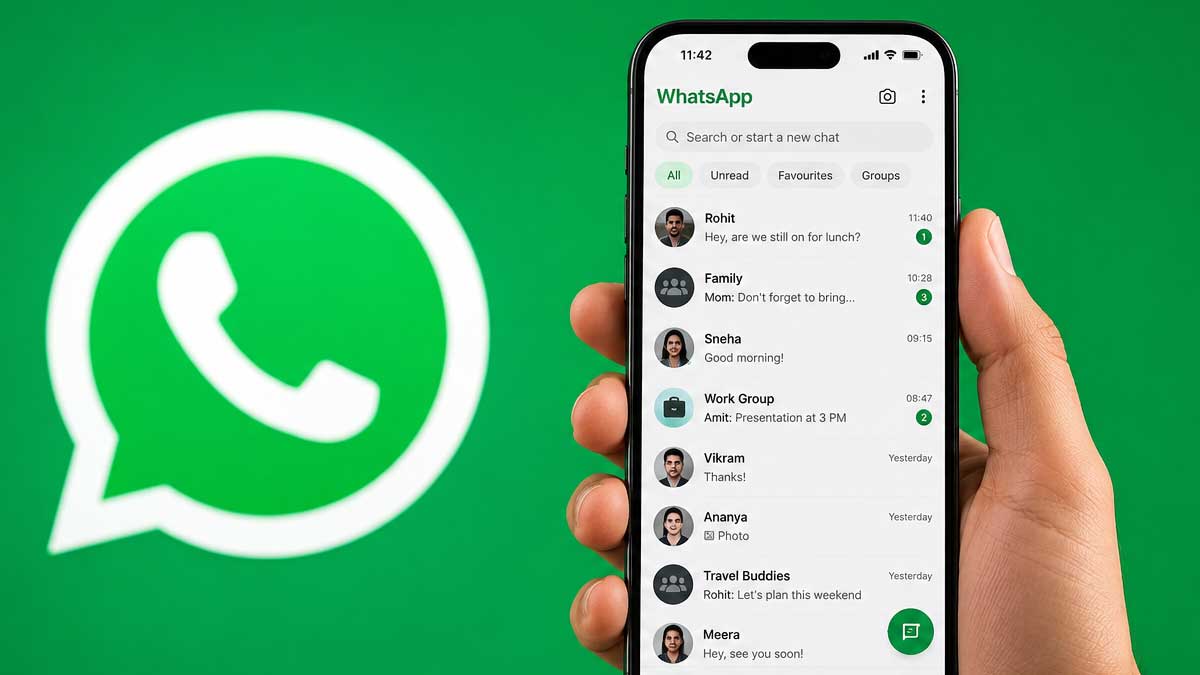
India’s government has directed WhatsApp to suspend the rollout of its upcoming username feature, raising concerns that the privacy-focused update could increase online fraud and impersonation scams. The move comes just days after Meta announced the feature, which would allow users to start conversations without revealing their phone numbers.
On June 29, WhatsApp revealed that its more than three billion users would soon be able to create unique usernames that others could use to initiate chats instead of requiring a phone number. The company said the feature was designed to give users greater privacy when communicating with new contacts. “When someone new walks into your life, sharing a phone number can feel like a big step,” the company said, adding, “Sometimes you just want to chat without handing over your digits.”
According to The Indian Express, India’s Ministry of Electronics and Information Technology (MeitY) later issued a formal legal notice to Meta, ordering the company to pause the feature for Indian users and provide a detailed explanation within three days.
The optional feature would allow users to reserve a unique handle, such as @yourname, which others could use to contact them for the first time. WhatsApp said there would be no public directory or username search function, meaning users would need to know the exact username before sending an initial message. The feature remains in a username reservation phase and has not yet launched anywhere. Users can reserve a username through Settings > Account > Username on the latest version of the app, while messaging services such as Telegram and Signal already offer similar functionality.
The Indian government argues that hiding phone numbers could make it easier for criminals to carry out phishing attacks, impersonation schemes and the country’s growing “digital arrest” scams, in which fraudsters pose as law enforcement officers, judges or customs officials during video calls to extort money from victims. According to TechCrunch’s review of the legal notice, MeitY warned that the feature could “materially increase the incidence of online fraud, phishing, digital arrest scams and impersonation attacks.”
A senior government official told The Indian Express that scammers could register usernames resembling those of well-known individuals, organizations or institutions, making it more difficult for less technologically experienced users to identify fraudulent accounts. The official said the feature could further enable impersonation scams that are already being carried out through WhatsApp.
WhatsApp defended the upcoming feature, saying it had anticipated impersonation risks and built multiple safeguards into the system. “To protect against impersonation, we’ve held the highest-profile names — think public figures, government entities, celebrities, verified Meta accounts — so they can only ever be claimed by their legitimate owners,” a WhatsApp spokesperson said, according to The Indian Express. The company added that similar-looking usernames would also be reserved to reduce abuse.
WhatsApp also emphasized that phone numbers remain mandatory for creating and operating accounts, meaning the feature does not allow anonymous registration. The company said additional protections include limiting how many new people users can contact via username, blocking repeated attempts to guess usernames, detecting impersonation patterns and displaying contextual information—such as whether the sender is using a new account, shares mutual groups or is messaging from another country—when someone receives a message from an unfamiliar username.
The ministry instructed Meta not to launch the feature in India until consultations are completed. Beyond WhatsApp’s earlier statement, Meta has not issued further public comments.
The government’s decision follows its temporary block of Telegram last month over similar concerns surrounding anonymous communication features. Telegram was unsuccessful in challenging that action, reflecting India’s broader scrutiny of messaging platforms that increase user anonymity.
India is WhatsApp’s largest market, with more than 500 million users, making the outcome of the discussions particularly significant. Although Indian users can currently reserve usernames, the messaging feature itself will not become available unless the government approves its rollout.






Related Articles

Xiaomi 18 Pro Max Pushes Into Premium Global Phone Market
Xiaomi is expanding its premium smartphone ambitions beyond China with the Xiaomi...

Epson Launches Three New 4K Laser Home Cinema Projectors
Epson has introduced three new laser-powered home cinema projectors aimed at movie...

Feather Robotics Launches $29,990 Mobile Humanoid Robot
California startup Feather Robotics has emerged from stealth with a $29,990 mobile...


MCHOSE ACE 75 Hall Effect Gaming Keyboard Launches on Kickstarter
MCHOSE has launched its ACE 75, a new 75% Hall Effect gaming...
Leave a comment