




Nissan Plans U.S. Revival by Moving Beyond Rental-Car Image
 193cc Agency CouncilJuly 4, 20262 Mins read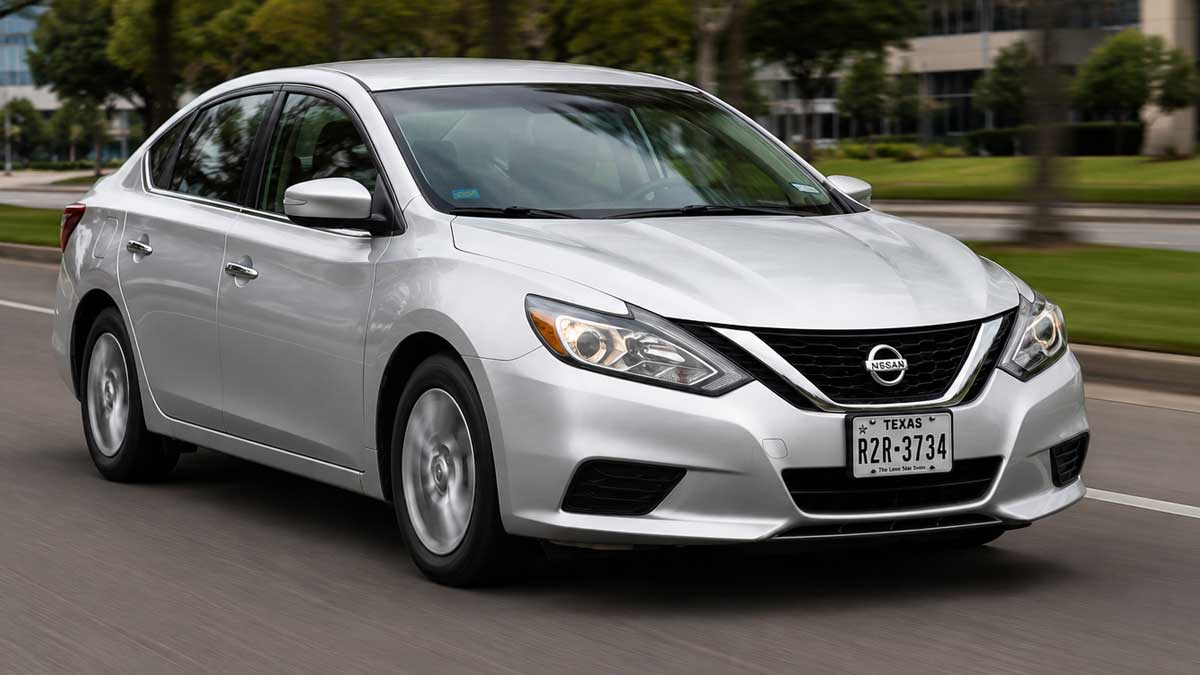
Nissan is working to reshape its reputation in the United States under CEO Ivan Espinosa, who has made rebuilding the brand a priority since taking the top role in April 2025. The company is shifting away from years of emphasizing high sales volume through discounts and rental fleet deals in favor of strengthening its retail business and restoring the brand’s appeal.
Espinosa acknowledged that Nissan had relied too heavily on pursuing “volume, volume, volume,” a strategy he said was not a sustainable way to operate the business. While aggressive incentives and fleet sales boosted vehicle deliveries, they also reduced resale values and weakened the brand’s exclusivity, leaving many consumers to view Nissan as a practical default option rather than a desirable choice.
The new strategy focuses on increasing profitable retail sales, improving product offerings and enhancing customer perception instead of relying on rental-car fleets. Nissan hopes this approach will help recover market share in the U.S., where its share has fallen to just over 6%, compared with roughly 9% a decade ago.
Upcoming products are expected to play a central role in the turnaround. Nissan plans to introduce a hybrid version of the Rogue, its best-selling compact SUV, later this year. The model is intended to strengthen the brand’s position in the growing hybrid market, where Nissan has trailed competitors as consumers increasingly seek fuel-efficient alternatives without fully transitioning to electric vehicles.
The automaker is also preparing to expand its lineup of rugged SUVs, including the return of the Xterra, which was previously sold in the U.S. from the 1990s through the mid-2010s. The move is designed to build on Nissan’s continued strength in the SUV and truck segments.
Nissan also points to its product quality as a competitive advantage. In J.D. Power’s 2026 U.S. Initial Quality Study, Ford ranked first among mass-market brands, with Nissan placing second and Buick third.
Recent sales figures show both encouraging progress and ongoing challenges. Nissan Group sold 242,741 vehicles in the United States during the second quarter of 2026, representing a 9.6% increase from the same period a year earlier. The Nissan brand accounted for 230,443 of those sales, up 10.2% year over year.
The Rogue remained the company’s top-selling model with 65,796 units sold during the quarter. It was followed by the Sentra with 39,817 sales, the Pathfinder with 35,517, the Kicks with 26,251, the Frontier with 21,690 and the Altima with 19,317. SUVs, crossovers and trucks continued to drive the company’s strongest performance.
However, several models posted weak results. Ariya recorded just 34 sales during the quarter, while the Z sports car sold 806 units. The LEAF reached 1,016 sales, Versa totaled 4,649, and Altima sales declined by more than 26%, highlighting the challenges Nissan still faces as it works to strengthen its position in the U.S. market.






Related Articles
Kia EV2 Review: Affordable Electric SUV Targets 275-Mile Range
Kia is targeting the growing affordable electric SUV market with the new...

Aventon Current eMTB Brings 750W Power and Full Suspension
Aventon has expanded its electric mountain bike lineup with the new Current,...
2027 Kia Telluride Turbo Hybrid Brings Power and Luxury Value
The 2027 Kia Telluride Turbo Hybrid marks a major step forward for...
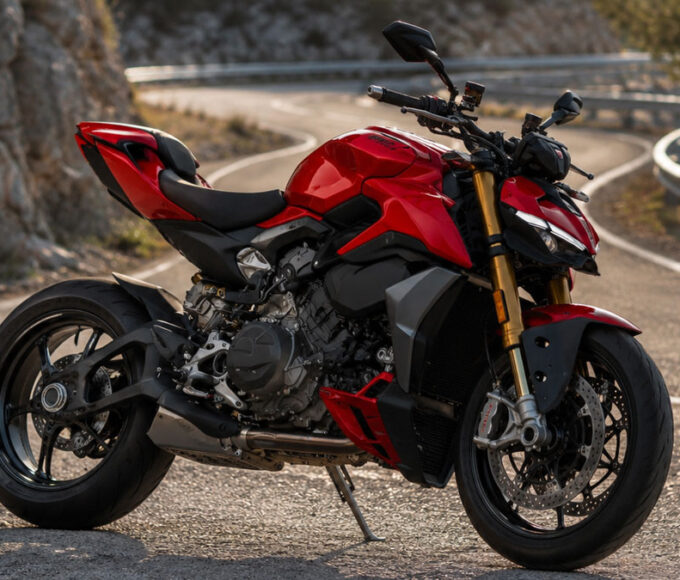

Ducati Streetfighter V2 Delivers 120 HP in a Lighter Package
The 2025 Ducati Streetfighter V2 combines the performance-focused hardware of Ducati’s Panigale...
Leave a comment